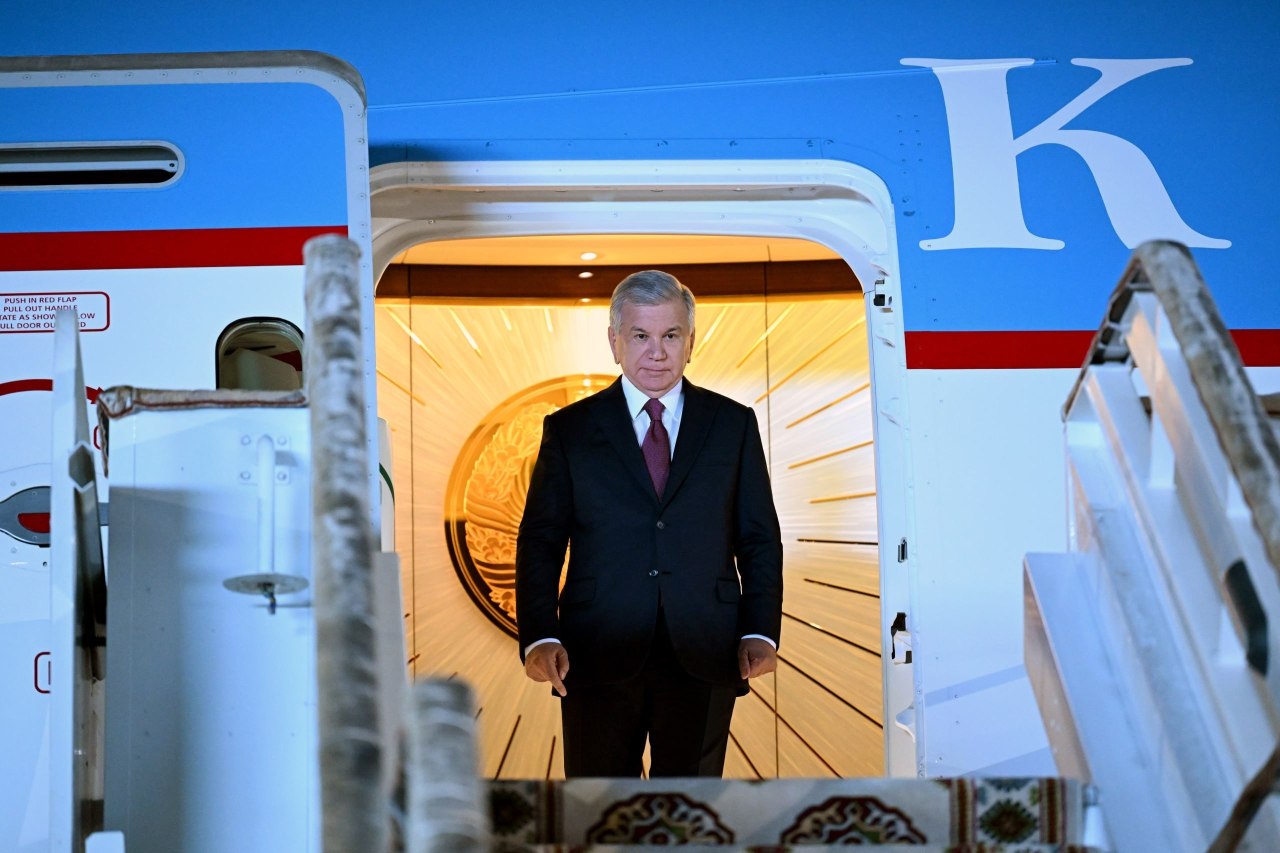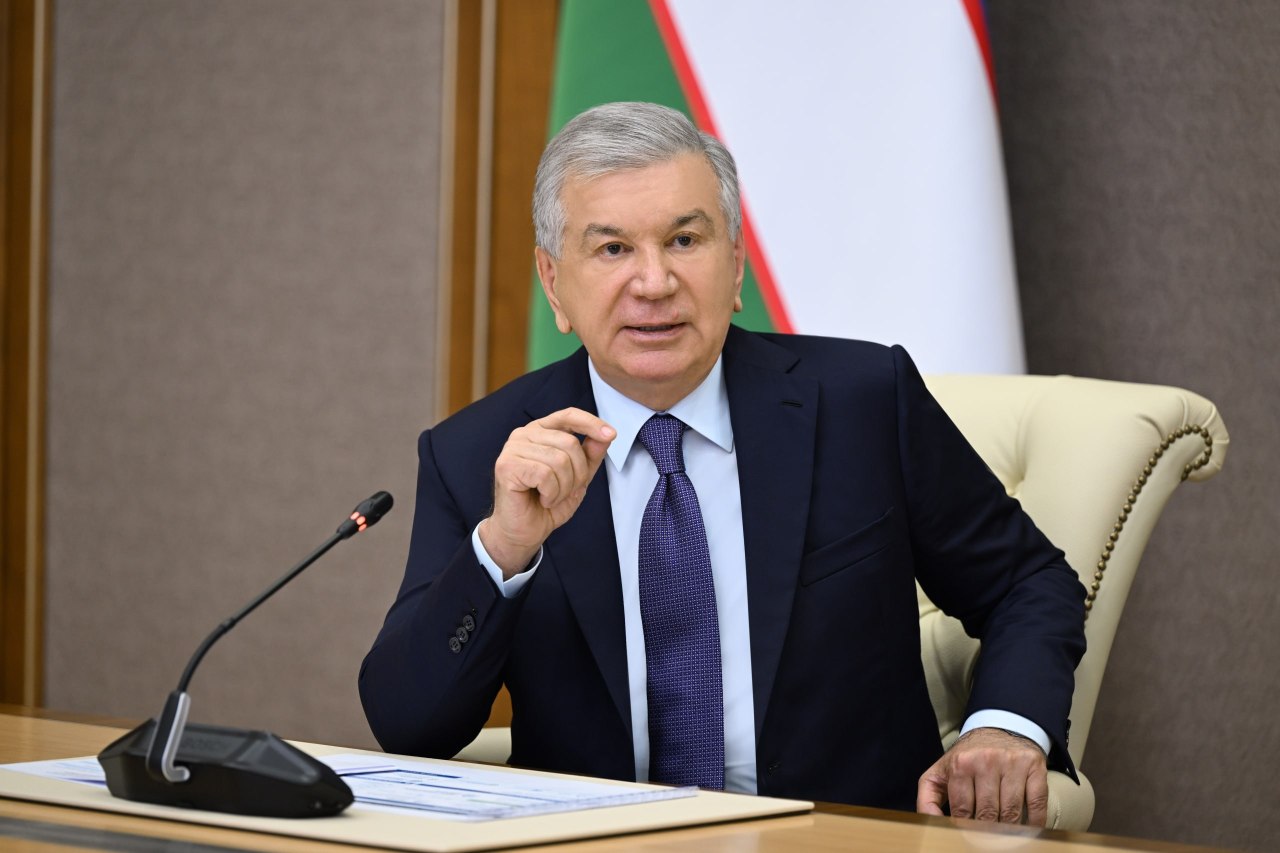

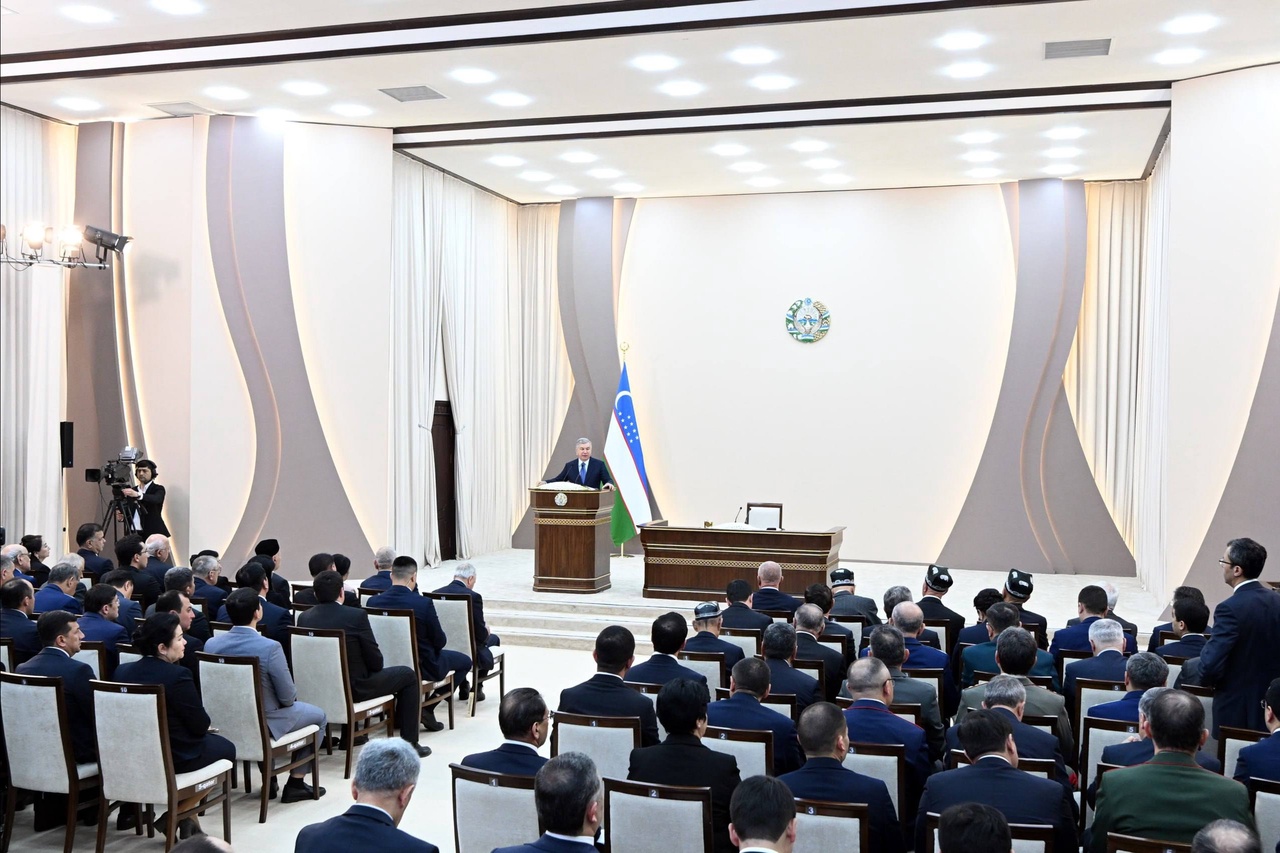
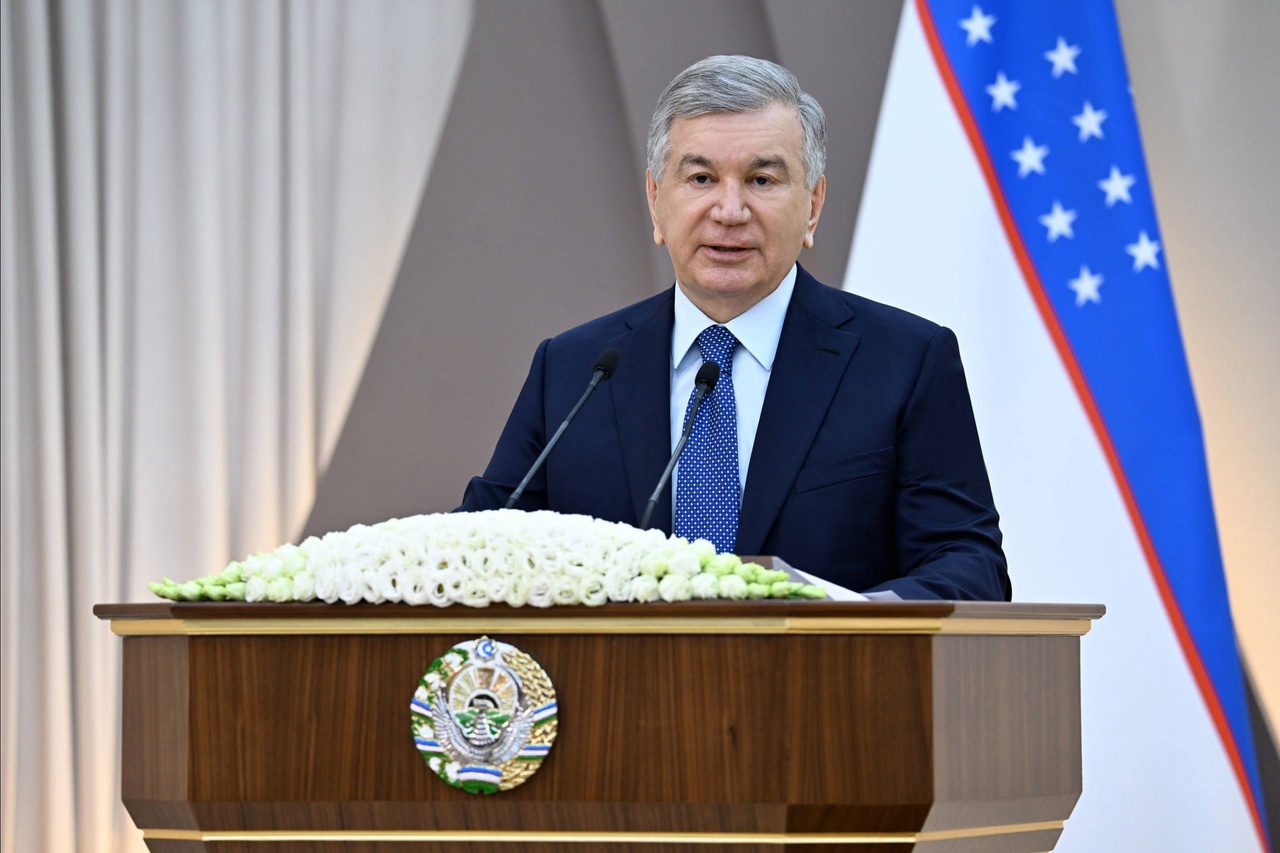
The Head of State warmly congratulated those present on the upcoming holidays – the sacred Ramadan Hayit – Eid al-Fitr and Navruz.
It was noted that significant changes have occurred in the country over the past four months since the President’s last visit to Samarkand.
In particular, earlier this week, Copper Processing Plant No. 3 was launched in the city of Almalyk, while in the capital, the Center of Islamic Civilization – a spiritual heritage not only of Uzbekistan but of all Central Asia – was opened. Tomorrow, a ceremony will be held in Payariq district to inaugurate a memorial complex dedicated to the great hadith scholar Imam Bukhari.
The Head of State emphasized that an even higher bar has been set in strengthening the country’s capacity and improving the well-being of every family and every citizen. The work being carried out in the regions is laying a solid foundation for achieving these goals.
At the same time, it was noted that current conditions require moving beyond yesterday’s approaches, while future objectives call for more effective and decisive action.
It was also stressed that Samarkand should become a model region across all key areas, including employment, poverty reduction, investment, and exports.
To this end, $100 million has been allocated to improve infrastructure in the region’s mahallas, with an additional $50 million directed to Urgut district. In total, 11 trillion UZS are being channeled into the region from all sources. It was also emphasized that entrepreneurs will receive an additional 18 trillion UZS in credit resources.
It was noted that these funds should primarily contribute to reducing unemployment and poverty in districts and, ultimately, to the region’s overall economic development.
At the meeting, the need was noted to analyze, using artificial intelligence, district indicators in the fields of industry, services, and agriculture, underground and above-ground resources, labor force, the entrepreneurial and professional skills of the population, and to establish a development model for each district based on the internal potential and the capabilities of mahallas.
Based on this analysis, district hokims, the “mahalla of seven”, and mahalla bankers are expected to channel resources into projects that will generate the most jobs and increase budget revenues.
This system is scheduled to be piloted in Narpay and Termez districts by May 1, and subsequently scaled up nationwide as a model practice.
It was also noted that the leadership of Samarkand region has been tasked with ensuring economic growth of at least 9 percent, increasing the gross regional product to over 144 trillion UZS, attracting $3 billion in foreign investment, and boosting exports to $1.2 billion.
It was also emphasized that it is necessary to ensure permanent employment for 100,000 people, lift 31,000 families out of poverty, and transform the region into a territory free from unemployment and poverty.
Existing opportunities and untapped potential were analyzed using examples from Narpay, Kushrabat, Kattakurgan, and Pakhtachi districts.
It was noted that the combined share of these districts, along with the city of Kattakurgan, accounts for only 10% of the region’s industrial output. In this regard, a dedicated industrial development program will be implemented in these areas, with funding of 1.2 trillion UZS. Of this, 800 billion UZS will be allocated to provide industrial projects with the necessary infrastructure, while the remaining 400 billion UZS will be directed toward improving road, water supply, and power infrastructure, as well as service and renewal projects.
It is planned to use these funds to industrialize the small town of Ingichka, located 40 kilometers from Kattakurgan, and to transform it in line with the vision of a New Uzbekistan. The project also includes the reconstruction of a bridge over the Narpay Canal in central Kattakurgan, originally built 60 years ago.
Instructions were given to take measures to supply 500 electric buses to Samarkand region.
Overall, the districts of Narpay, Pakhtachi, Payariq, Kushrabat, Ishtykhan, and Kattakurgan, along with the city of Kattakurgan, have been designated as priority areas for industrial and service-sector development and the comprehensive modernization of their urban environments.
It was noted at the meeting that global shocks will inevitably affect the stability of logistics chains, while rising oil prices and transportation costs will affect food prices. At the same time, it was emphasized that around 100 million tourists worldwide are seeking calm, safe destinations to travel to.
In this context, it was pointed out that a key priority for district hokims should be to increase food production and fully leverage existing opportunities in the tourism and services sectors.
It was decided to extend the current arrangement, under which pasture land is leased through direct contracts, for another year. In four districts of the region, collective pastures will be established on a total area of 43,000 hectares and leased to mahallas free of charge for 30 years. An additional 50 billion UZS will be allocated to cover expenses related to well drilling, water extraction, seed planting, and land restoration.
To support the development of pedigree livestock breeding, 10-year loans at an interest rate of 12% will be provided to purchase laboratory equipment and pedigree cattle. In Bulungur district, a $50 million breeding enterprise for meat production will be commissioned, while in Kushrabat district, a $20 million breeding facility for egg production will be launched.
Starting from May 1 of this year, fish farming enterprises will be eligible for loans at 16% to install solar panels. Those who install panels using their own funds will be reimbursed for 25% of the costs.
Special attention was also given to potato cultivation. In particular, 250,000 mini-tubers will be imported from Egypt for propagation in Bulungur district. Additionally, 6,000 tons of seed potatoes will be delivered from the Netherlands and distributed to farmers without markup.
The President also elaborated in detail on the tasks in the tourism sector.
It was noted that, amid uncertainty in the global tourism market, a large-scale campaign will be launched to promote Uzbekistan as a safe travel destination. As part of this initiative, a dedicated program will be prepared for the period from April to June, the most favorable season for tourism, and the “Open Tourism Season in Uzbekistan” will be officially announced.
During this period, airlines launching new routes will receive a $100 subsidy for each foreign tourist they bring into the country. These airlines will also be granted a 20% discount on airport service fees.
Starting April 1, tour operators will be eligible for budget subsidies for three months, receiving up to $5,000 for every 1,000 foreign tourists they attract. In addition, 50% of the value-added tax will be refunded as cashback.
Fifty foreign bloggers with a combined social media audience exceeding 5 million followers will be offered a complimentary seven-day tour package to Uzbekistan.
The importance of hosting tours by at least five world-renowned artists in Samarkand this year was also highlighted, along with the organization of 10 business forums and fashion festivals.
At the same time, it was noted that Samarkand has all the prerequisites to become an international hub for hosting Olympiads, forums, and scientific conferences in the exact and natural sciences.
A target has been set to attract 6 million tourists to Samarkand by the end of the year through the effective use of existing opportunities.
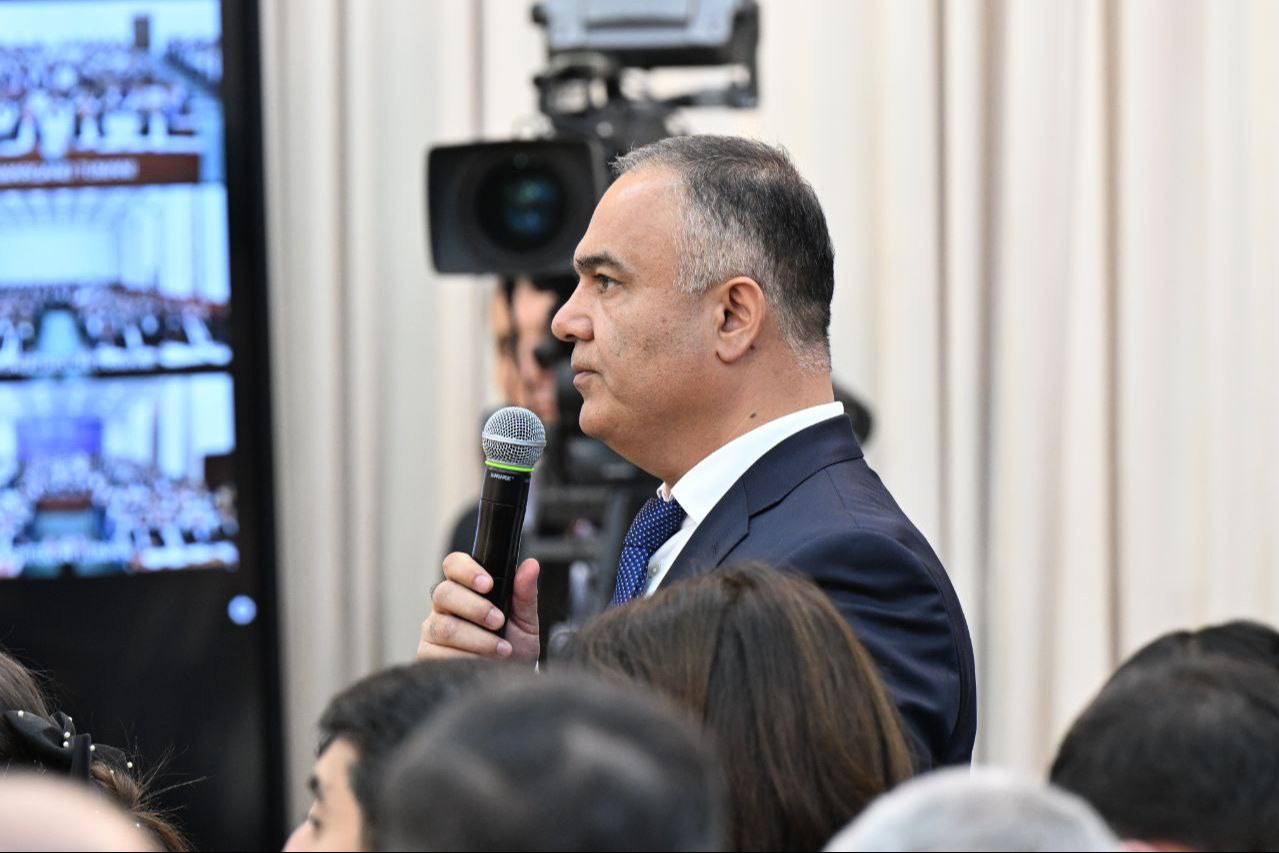
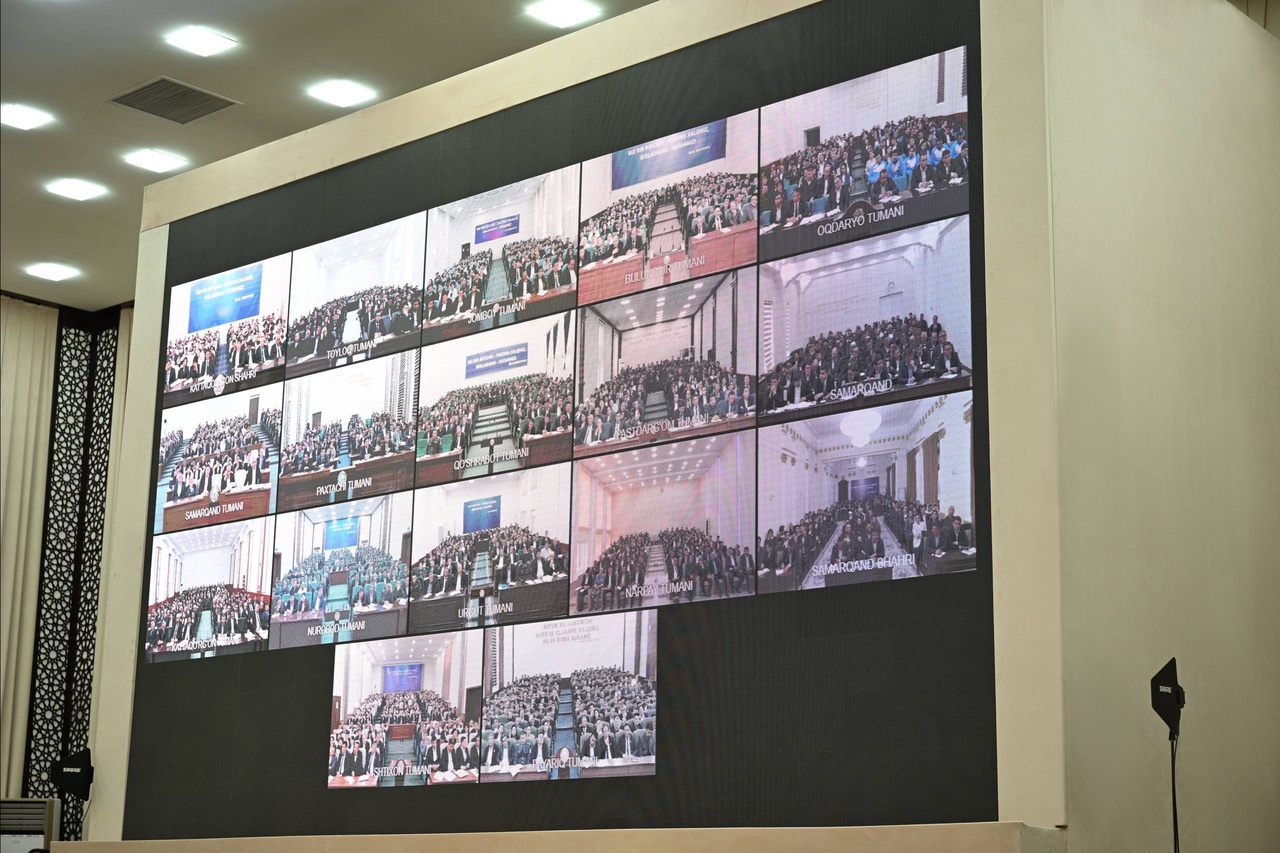
At the meeting, reports were presented by regional and district hokims, sector leaders, and other responsible officials, and a dialogue was held with Samarkand residents.