
Tourism is a sector that, with relatively small investments, creates many jobs, increases people’s incomes, and improves the area’s appearance. The city of Tashkent has excellent potential in this area.
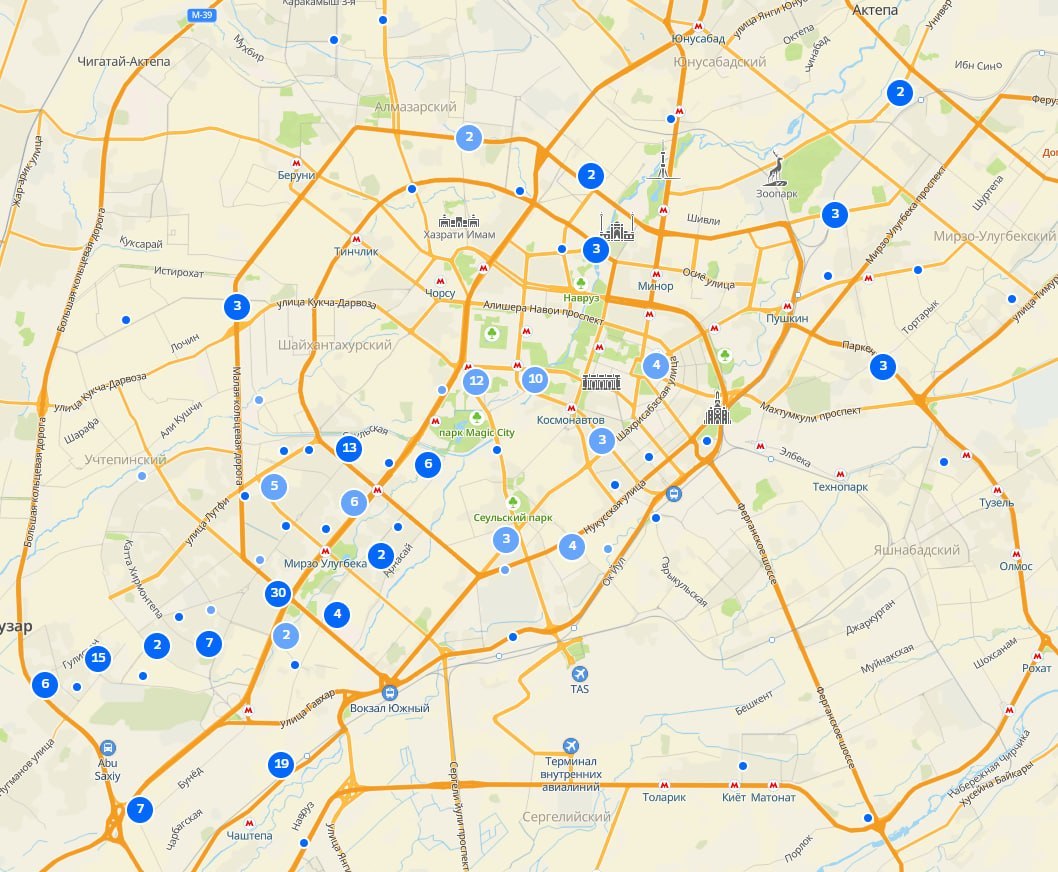
In particular, to fully utilize this potential, a project covering 447 hectares is being implemented in Almazar district. As part of this project, tourist and service facilities will be built on six district streets connecting 15 mahallas.
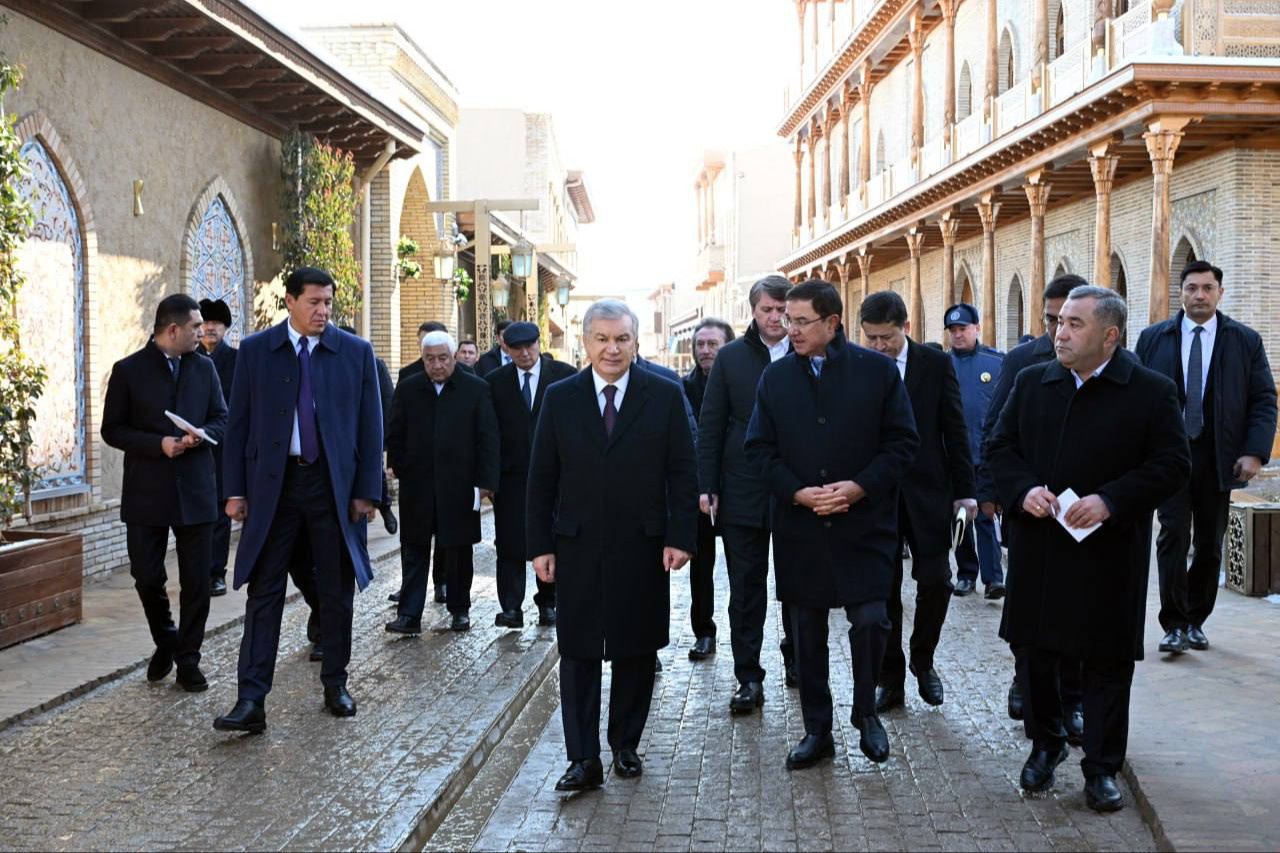
The development work on Zarqaynar Street is part of this project. The historical appearance, the traditions of national architecture, and the spirit of craftsmanship that have formed over centuries are the hallmarks of this district.
With 150 billion UZS allocated from the country’s budget, 576 houses in the national style have been restored here, giving the area an appearance that harmonizes with the historical environment.
100 entrepreneurs invested 166 billion UZS to create 7 hotels, 8 restaurants, 5 craft centers, 1 shopping center, and 125 service enterprises. As a result, 1,500 citizens were provided with permanent jobs.
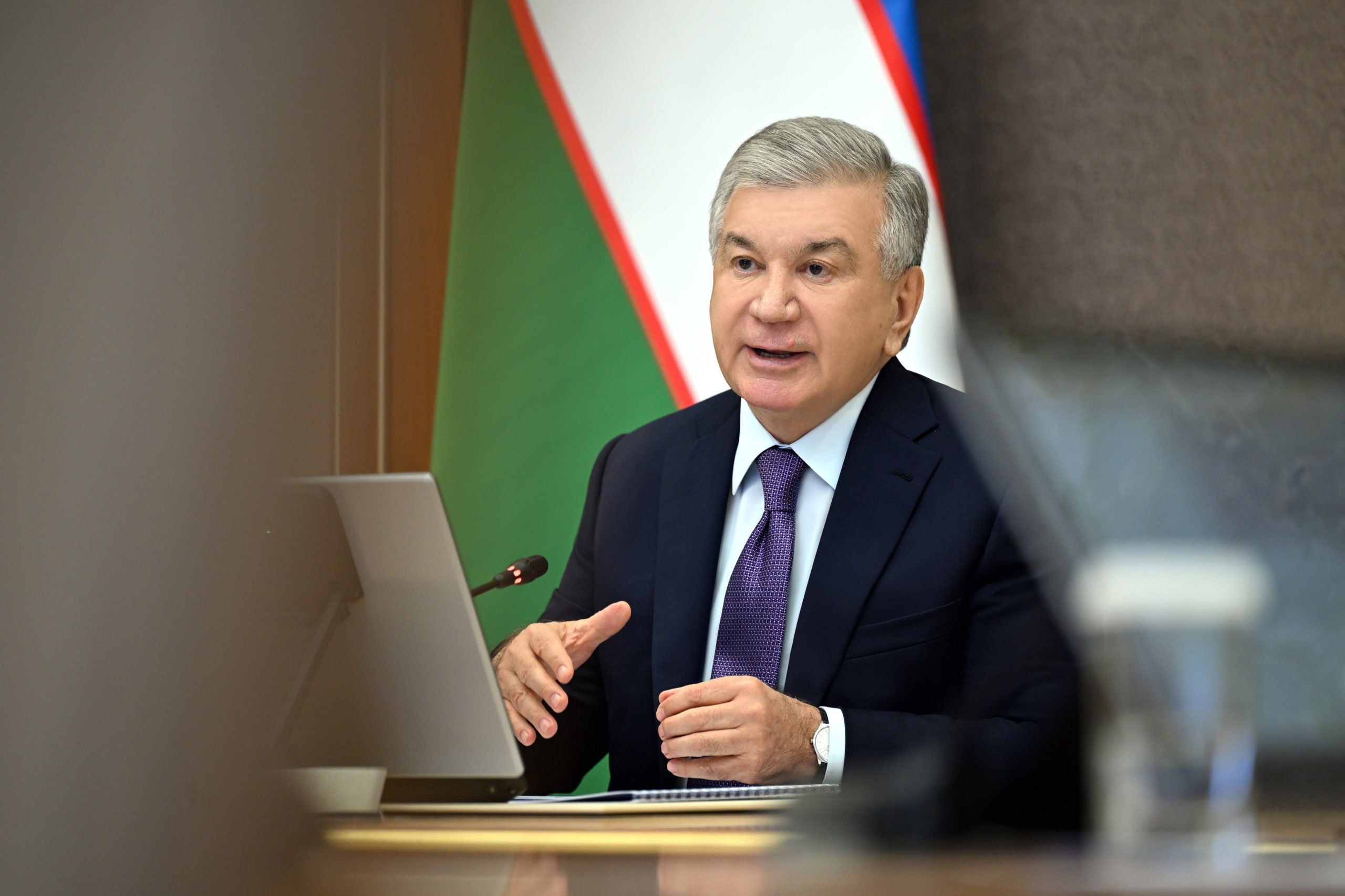
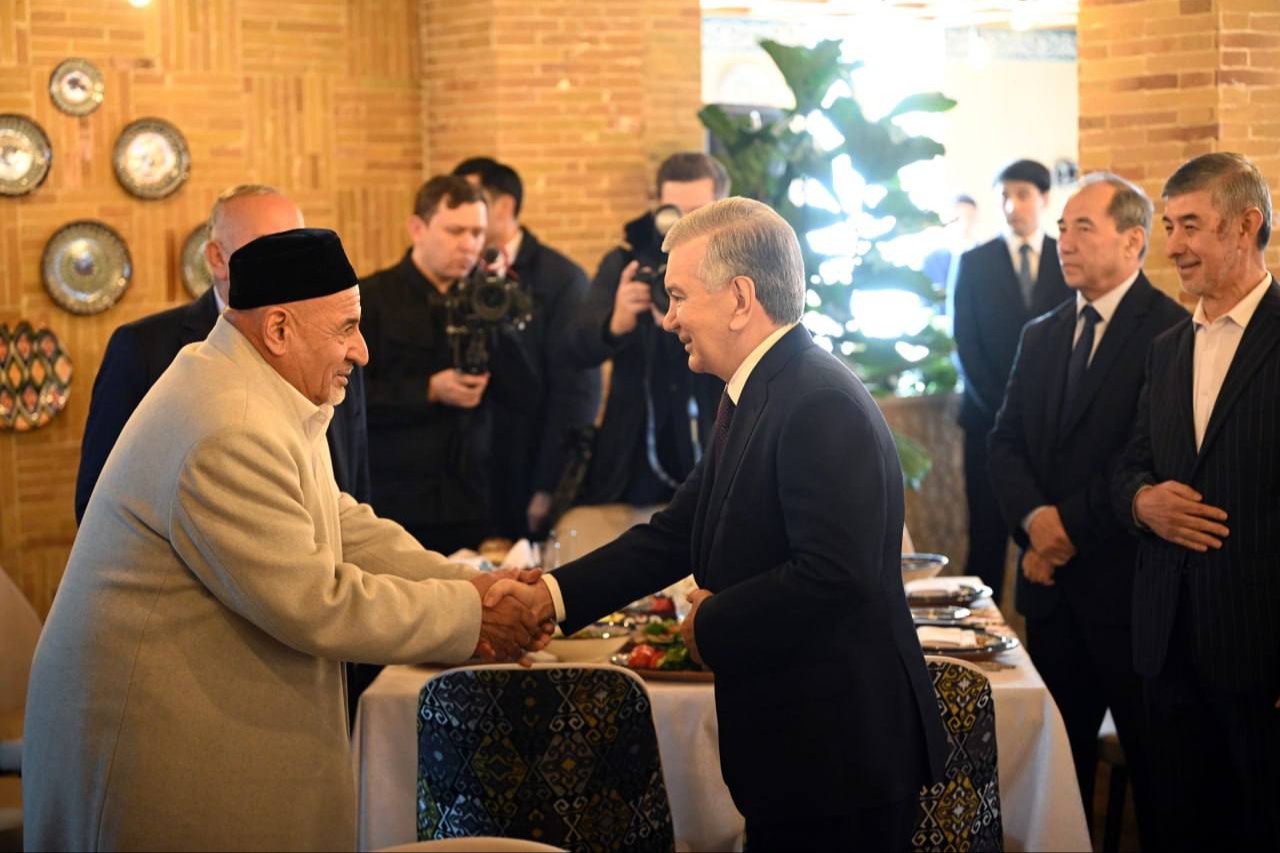
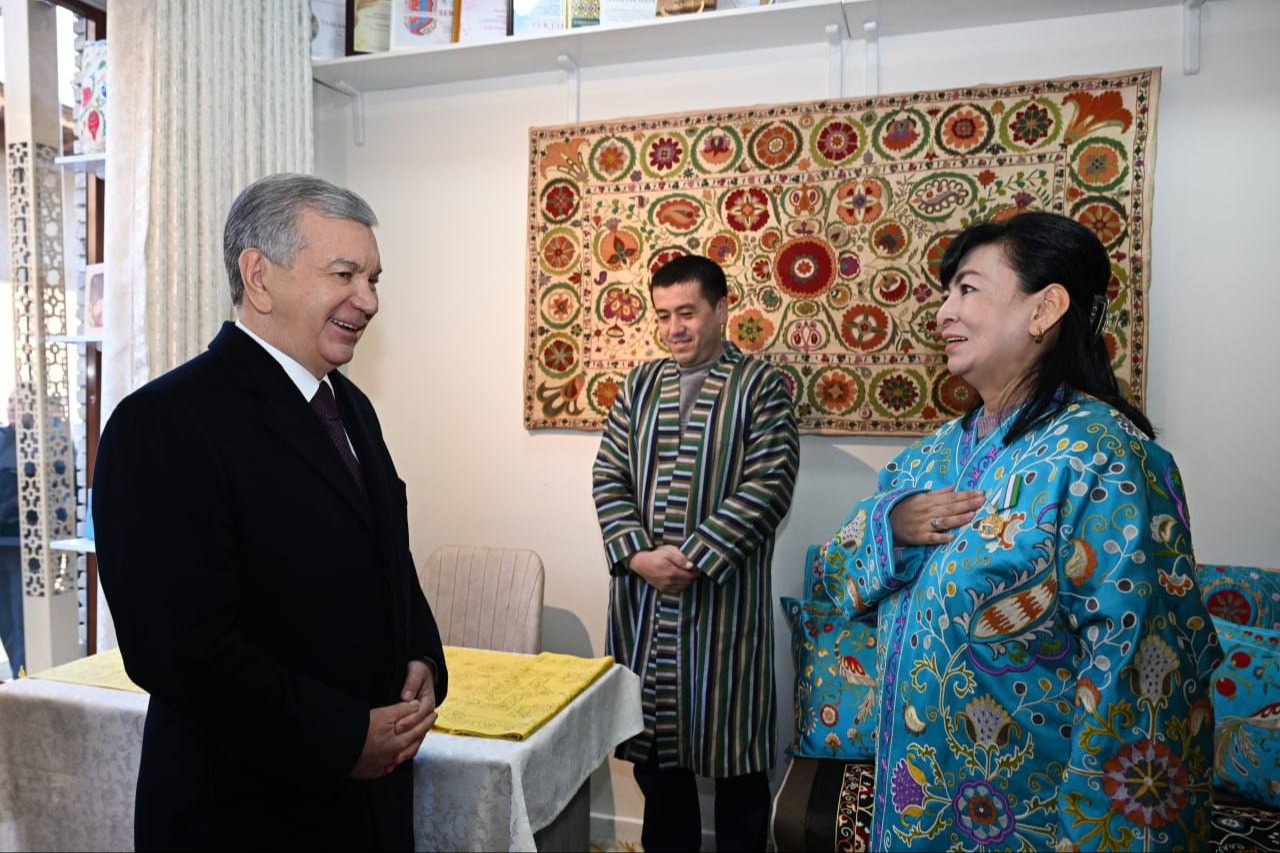
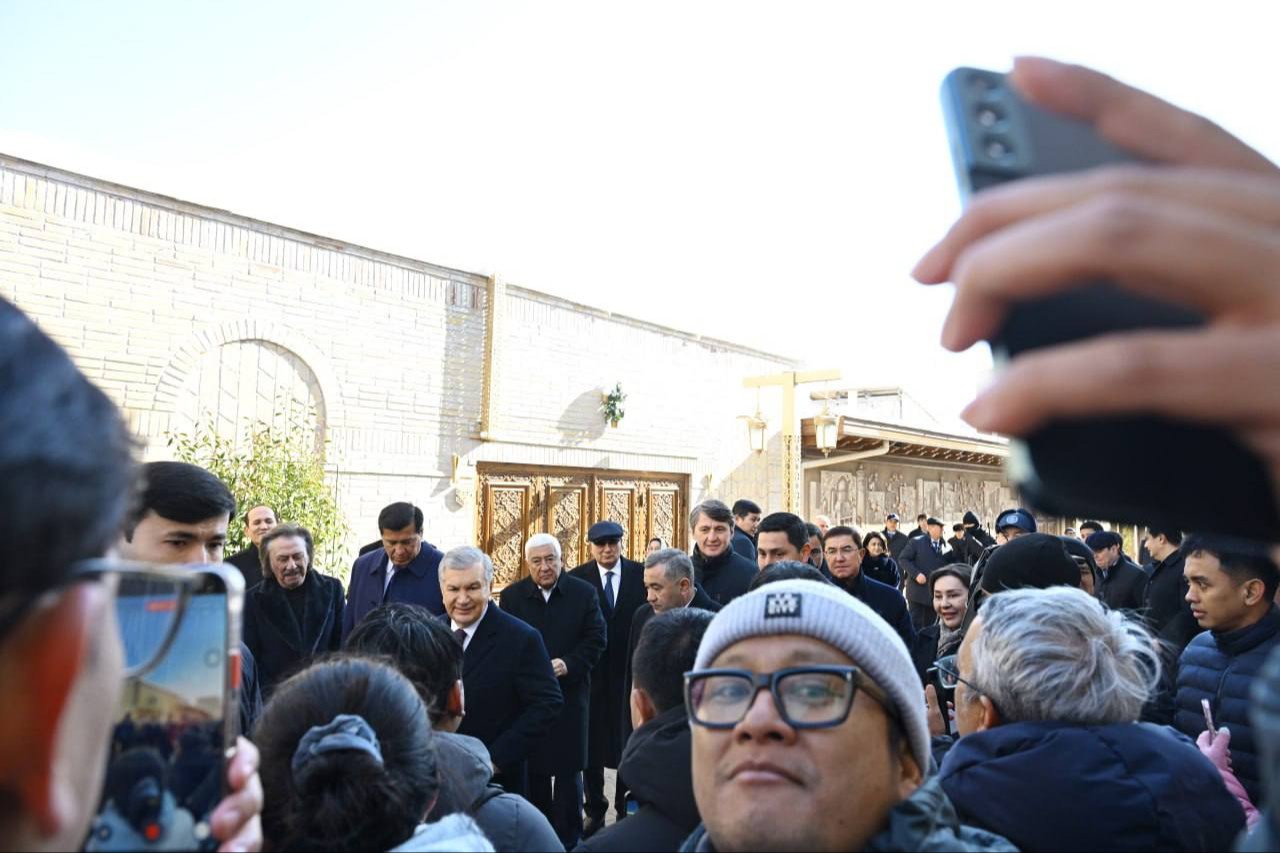
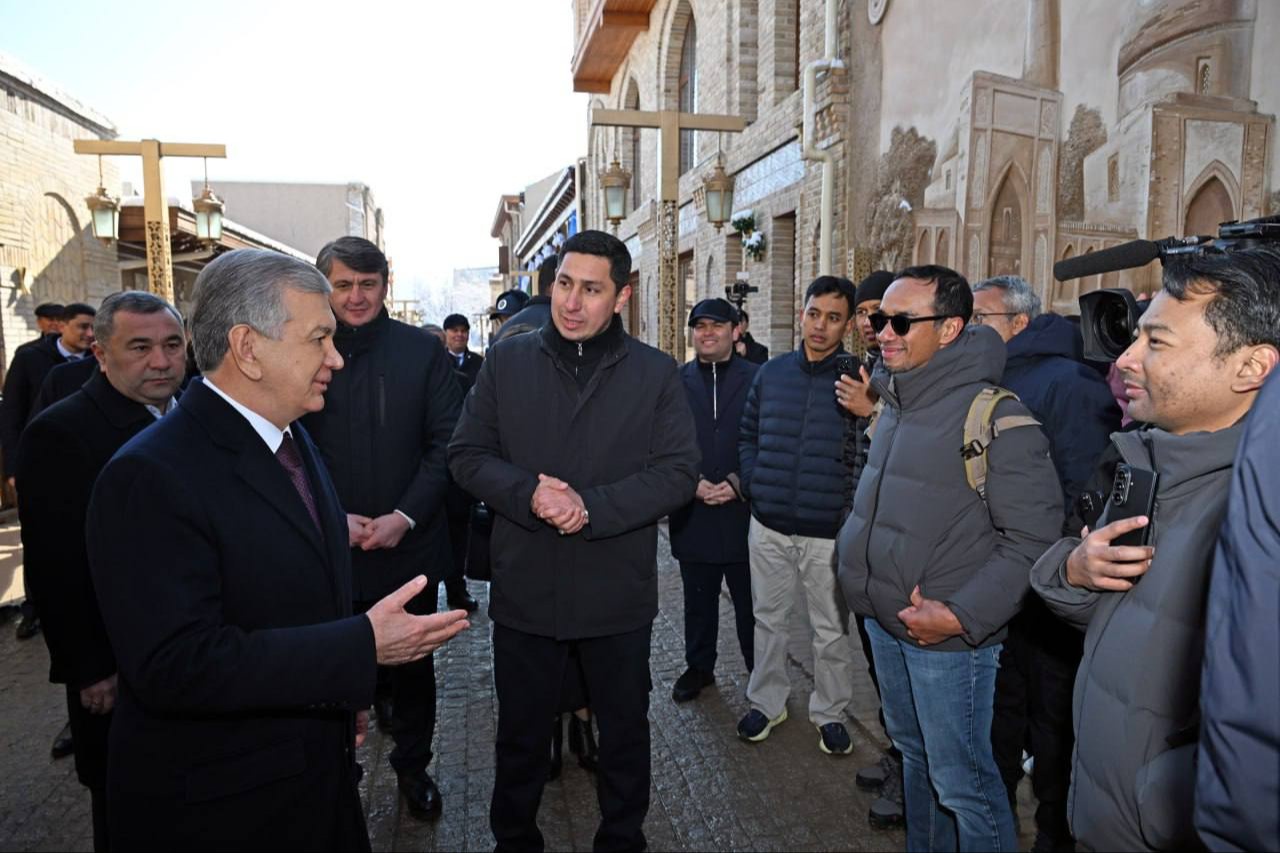
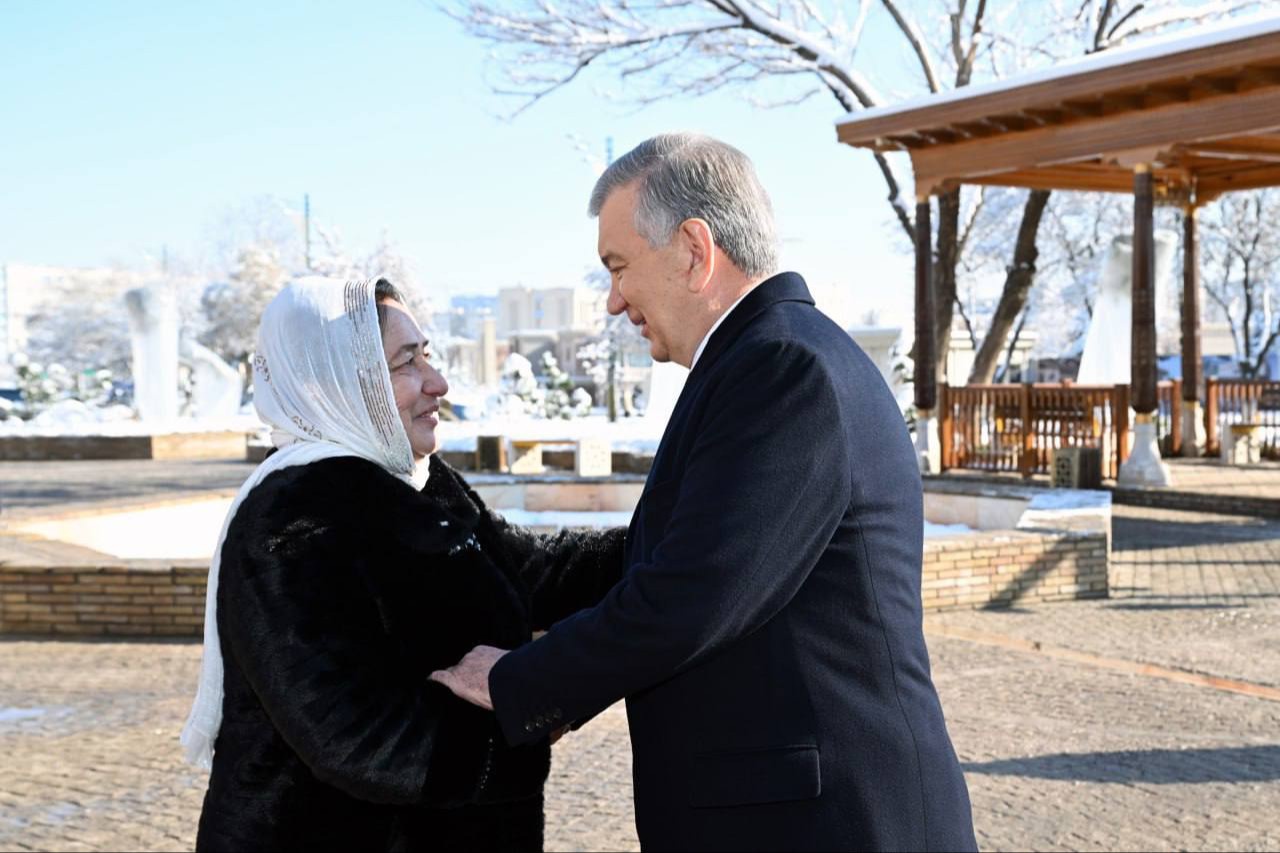
While exploring the renovated street, the Head of State inspected houses renovated in the national architectural style, well-maintained streets, and the conditions created for the population. He had a sincere conversation with residents, tourists, and artisans.
“We want to create conditions for tourists, but at the same time, it is important to build the foundation correctly. For example, folk crafts are one of the key areas that reflect our national identity. Therefore, providing artisans with everything they need for production is our direct task. It is also necessary to train qualified personnel. To this end, it would be advisable to establish a university of crafts. We have already met with entrepreneurs, and now we are organizing separate meetings with artisans”, noted the President.
The responsible persons were given specific instructions to further improve work in the areas of tourism and services, increase economic activity while carefully preserving the historical appearance of the mahallas, and, most importantly, establish a sustainable system that serves the interests of the people.
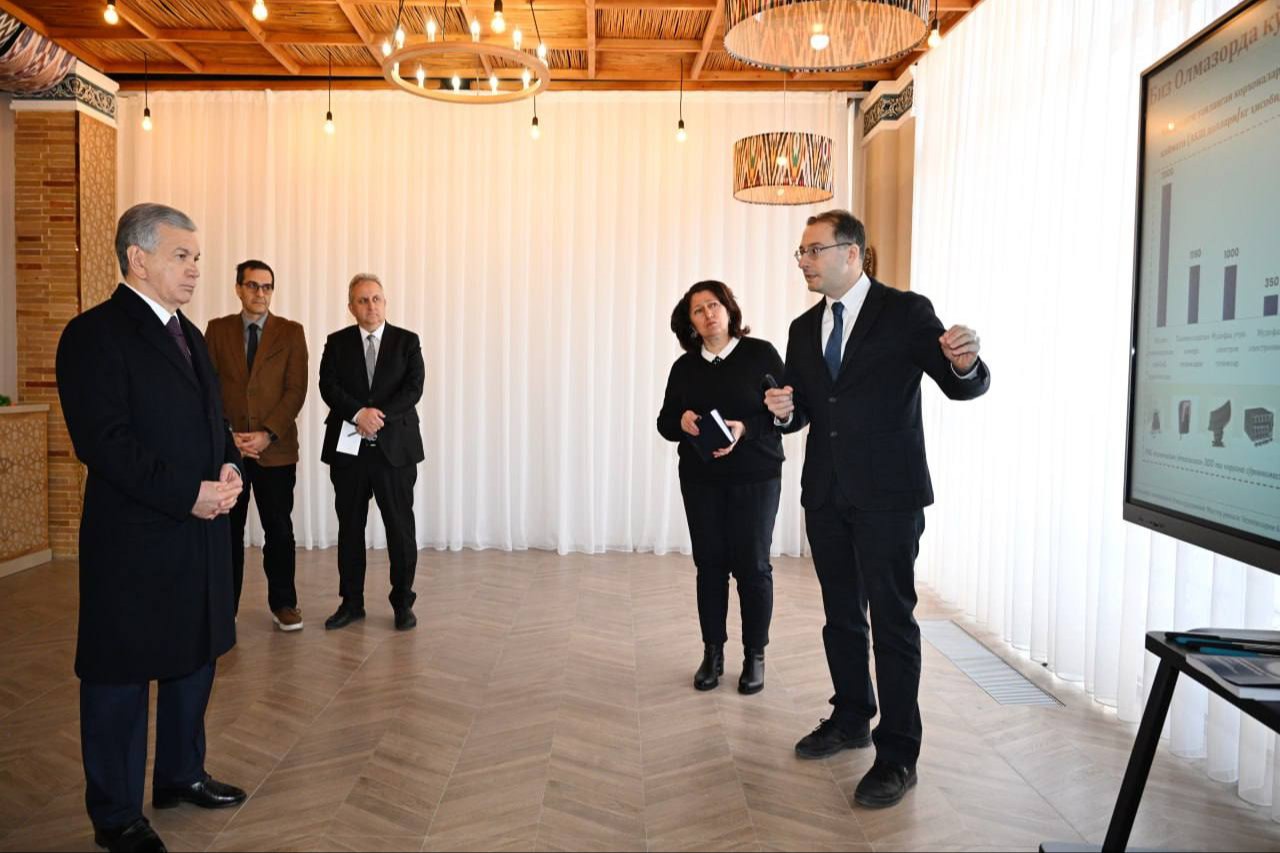
The Head of State was also presented with a master plan for the “Olmazor” innovative growth area.
The presentation showcased the spatial development concept, the results of the needs assessment, and the decisions on the territory’s functional zoning.
According to the master plan, so-called “development corridors” will be formed covering education and innovation, tourism and trade, cultural heritage, business, and IT services.
Around the Old City, there are plans to connect the Student Town, universities, and technology parks, healthcare facilities, as well as the Center for Islamic Civilization, the Khazrati Imam complex, the Chorsu market, and the historic city center. In addition, the development of offices, an IT park, and business centers is planned in the northern business district.
The goal of the master plan is to preserve the historical heritage while developing modern infrastructure and bringing the economic potential and urban environment of the area to a whole new level.
“A master plan covering at least five years must be developed for each street. Yesterday in the Swiss town of Davos, I saw how the urban environment is developing while preserving existing buildings and taking local conditions into account. We too must preserve the Old Town and develop it. To this end, a separate program called “Old Town” should be prepared”, noted the President.