
The country’s economic development is reflected in the appearance of the capital. Large-scale construction works are underway in all districts and cities. In recent years, the construction of New Tashkent has also begun, and together, both cities are transforming into a single metropolis.
To ensure balanced territorial development, the master plan of Tashkent until 2045 has been adopted. It defines the main parameters for urban planning projects, engineering, and transport infrastructure, as well as the city’s protected zones.
The “Solution Atlas” is a logical continuation of the master plan. It sets out general requirements for the external appearance of urban facilities and public spaces. This reference catalog comprises five volumes that cover the rules for designing, installing, and operating urban facilities. Each section contains recommendations on the organization and improvement of public spaces, as well as on harmonizing building facades into a unified architectural style.
For example, under current standards, road construction and repair are carried out up to the so-called “red line” of the roadway. However, in the practice of developed cities, the principle applied is “from building to building” on both sides of the street. This approach helps avoid neglected areas and ensures continuous, harmonious landscaping along roads.
The Atlas aims to achieve sustainable development goals and incorporate national identity into urban design. It promotes the creation of harmonious and environmentally friendly spaces that enhance the quality of life for the population. It also helps prevent mistakes in the development of new projects aimed at improving public spaces.
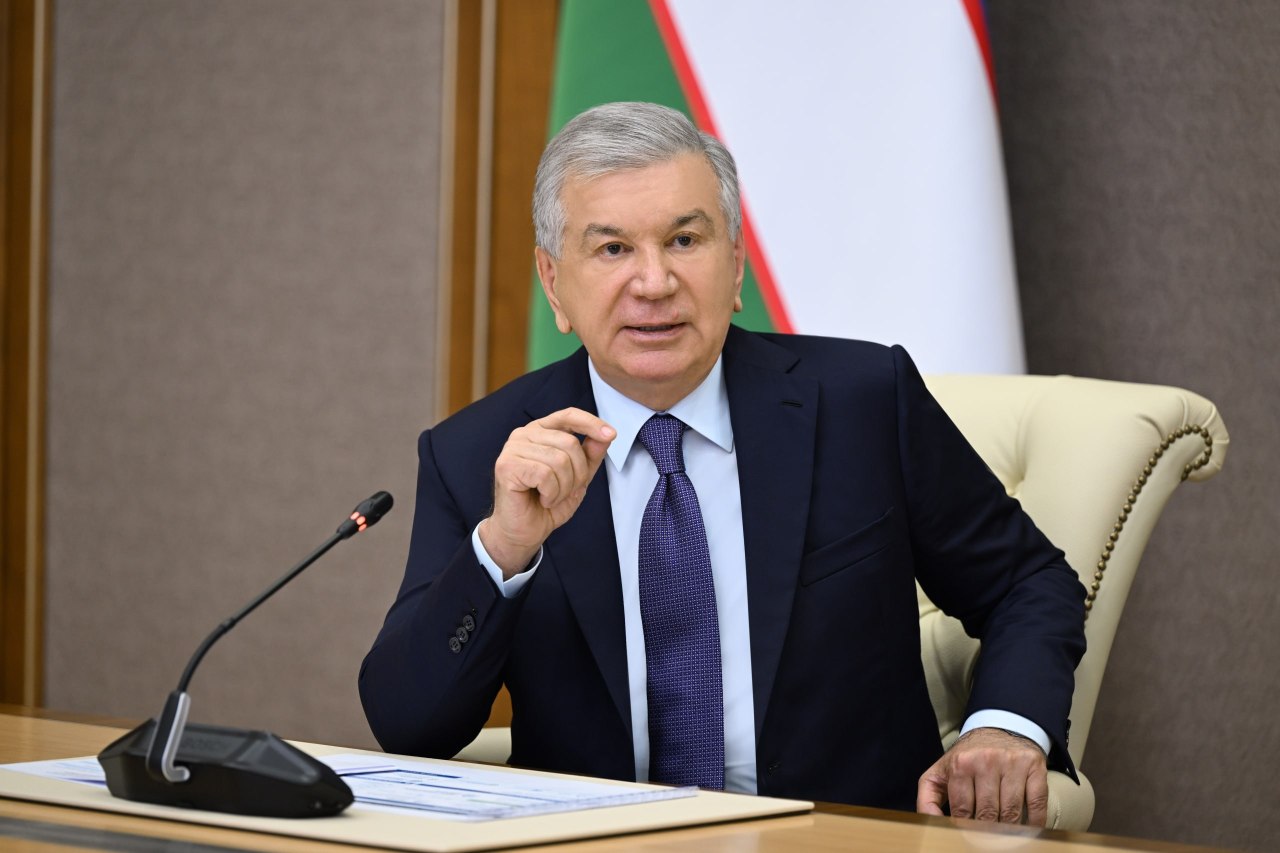
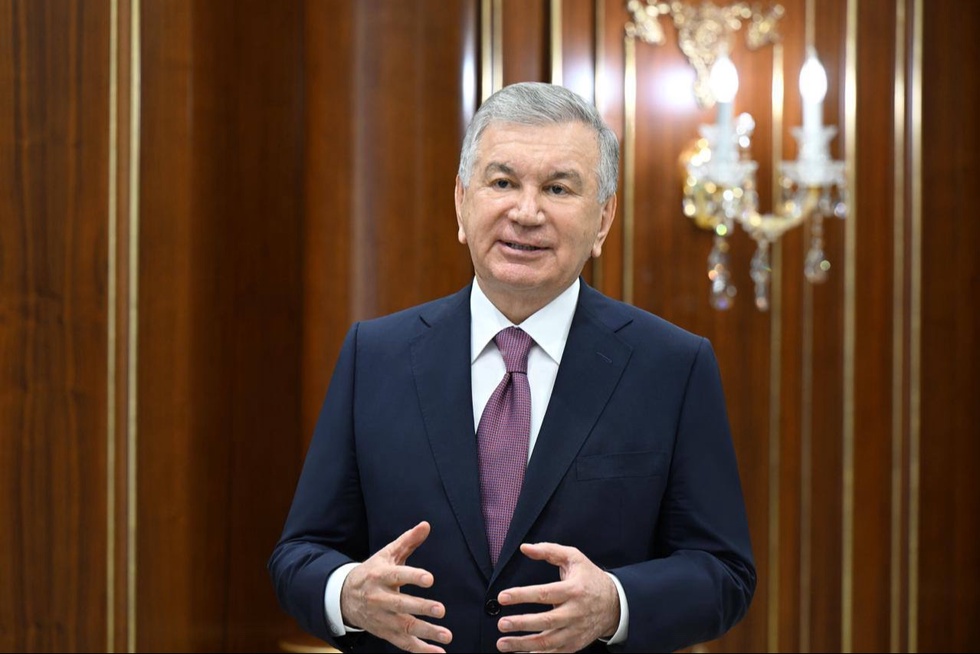
During the presentation, the essence of the Atlas requirements and the resulting objectives were reviewed. Instructions were given to improve the city’s appearance while preserving its uniqueness, to landscape roadside areas, and to raise the standard of urban living culture.