
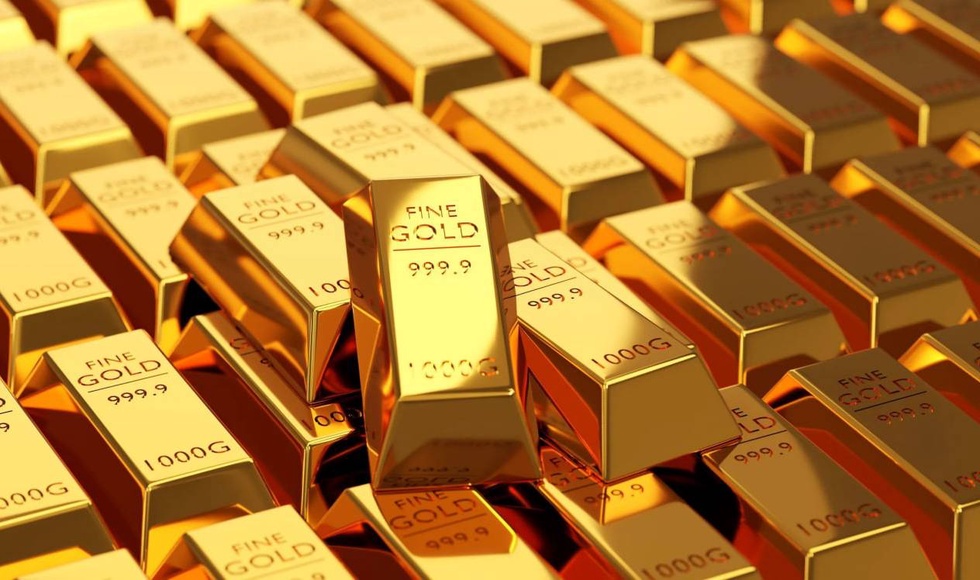
Analysts believe that despite the temporary slowdown in purchases, central banks will continue to increase reserves as part of long-term strategies to diversify reserves. Regulators in developing countries continue to be active in the market.
The National Bank of Poland became the leader among buyers in April, replenishing reserves by 12.4 tons. It is followed by the Czech Republic (2.5 tons), Kyrgyzstan (2.3 tons), China (2.2 tons), Turkey (2.1 tons), Kazakhstan (0.9 tons) and Jordan (0.7 tons).
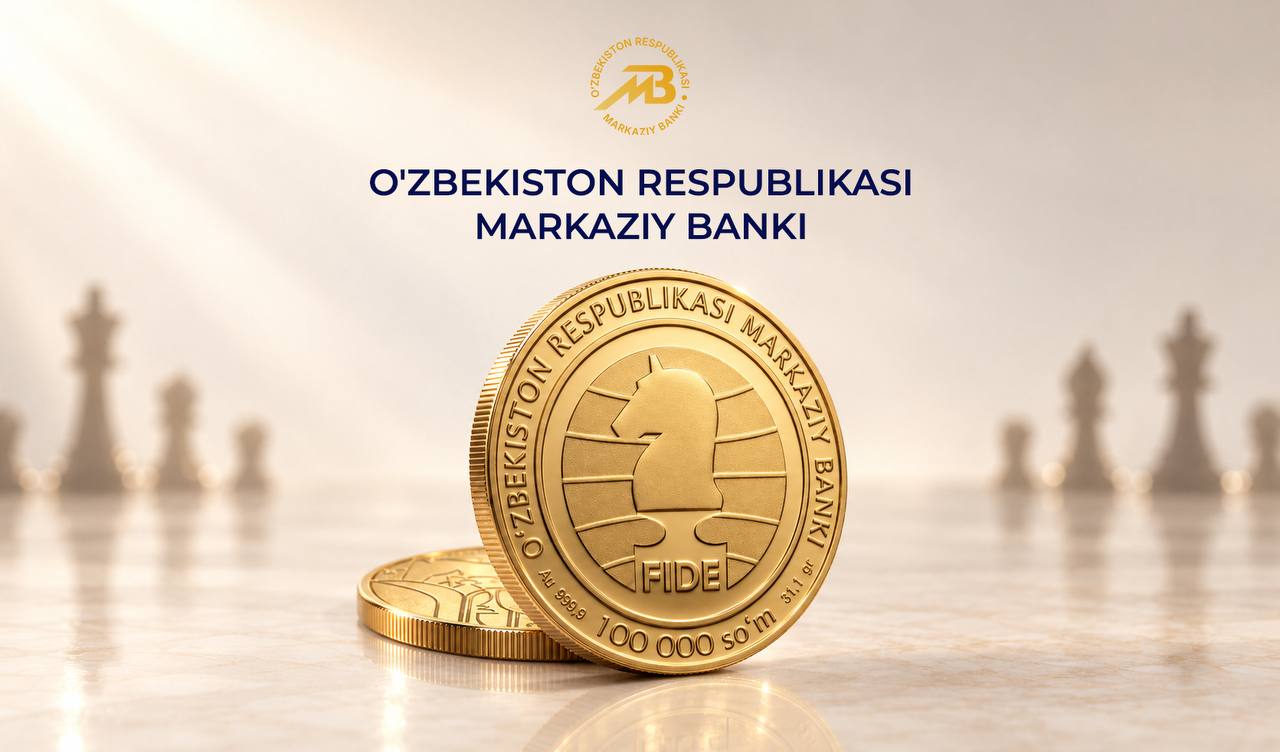
At the same time, the largest seller was the Central Bank of Uzbekistan, which reduced its gold reserves by 11.2 tons. This is not the first month in a row that the country has sold part of its reserves - Uzbekistan retains its leading position in terms of sales volumes amid rising prices and, possibly, domestic liquidity needs.
According to experts, the demand for gold from emerging economies will continue. Daria Tarasenko, senior analyst at Gazprombank's Center for Economic Forecasting, noted at the Gold 2025 conference that these countries need to purchase about 11,000 tons of gold in order to approach the indicators of developed countries in terms of the metal's share in reserves.