
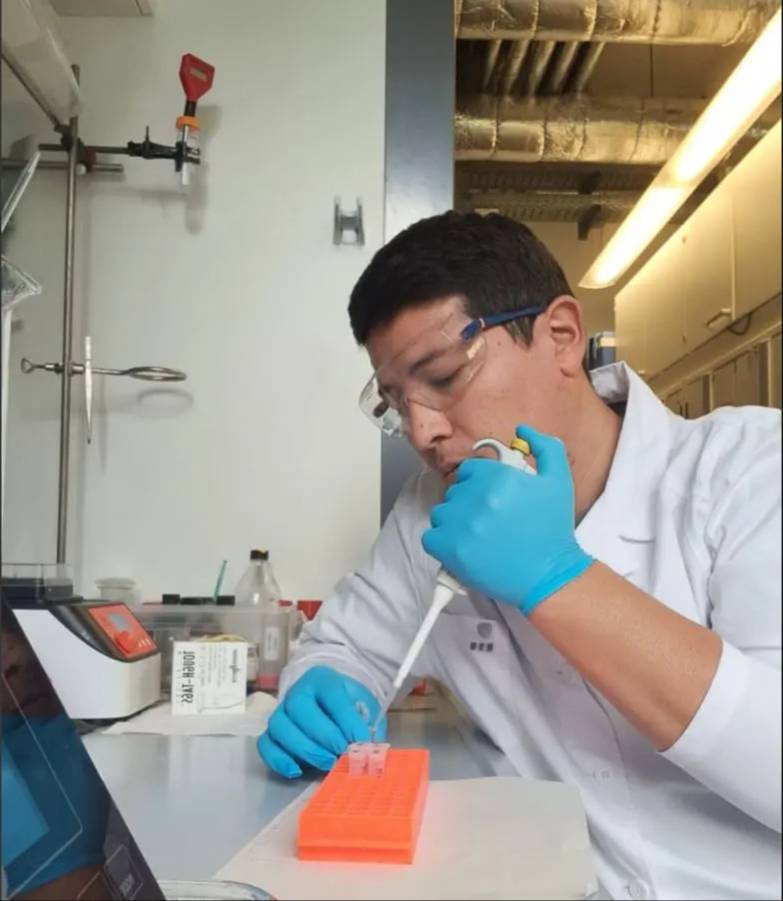
The development was created based on the results of a scientific internship in Germany. According to the Agency for Intellectual Property of the Republic of Uzbekistan, the invention has received a positive opinion and is currently undergoing patenting.
According to the researcher, domestic scientists have been working for many years to create bio-ink that is fully compatible with the human body, safe and affordable, which can be produced locally. However, the previously obtained results did not provide the necessary efficiency.
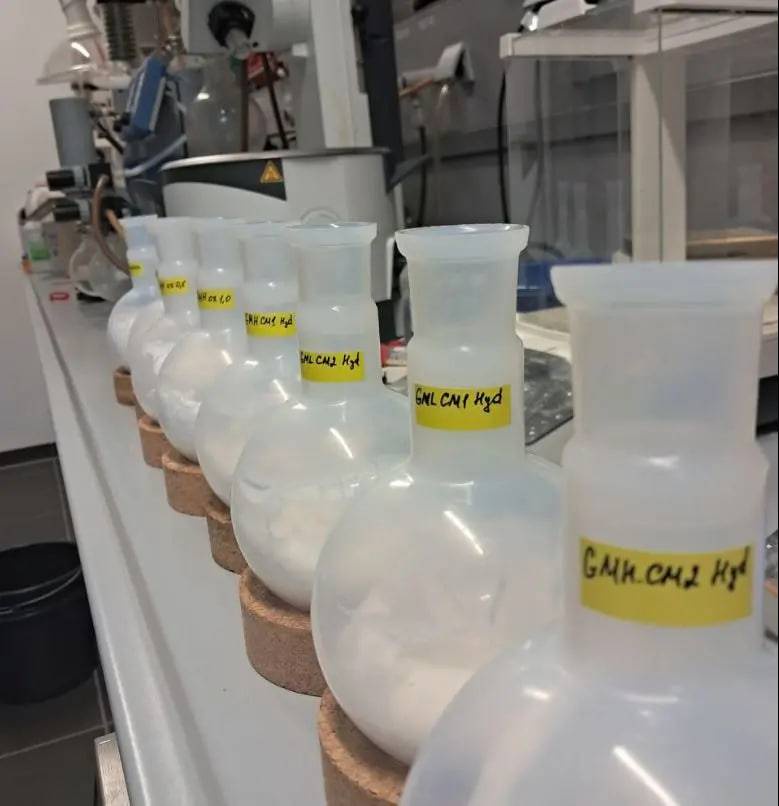
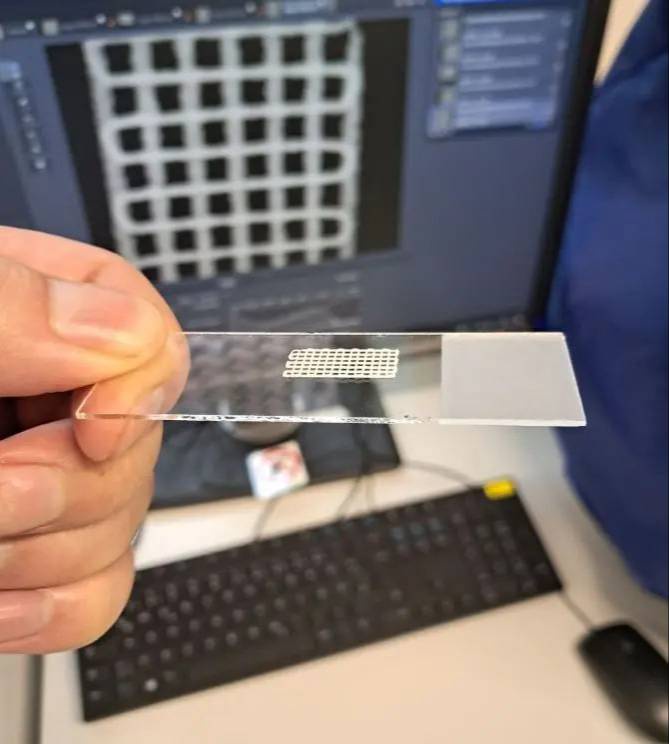
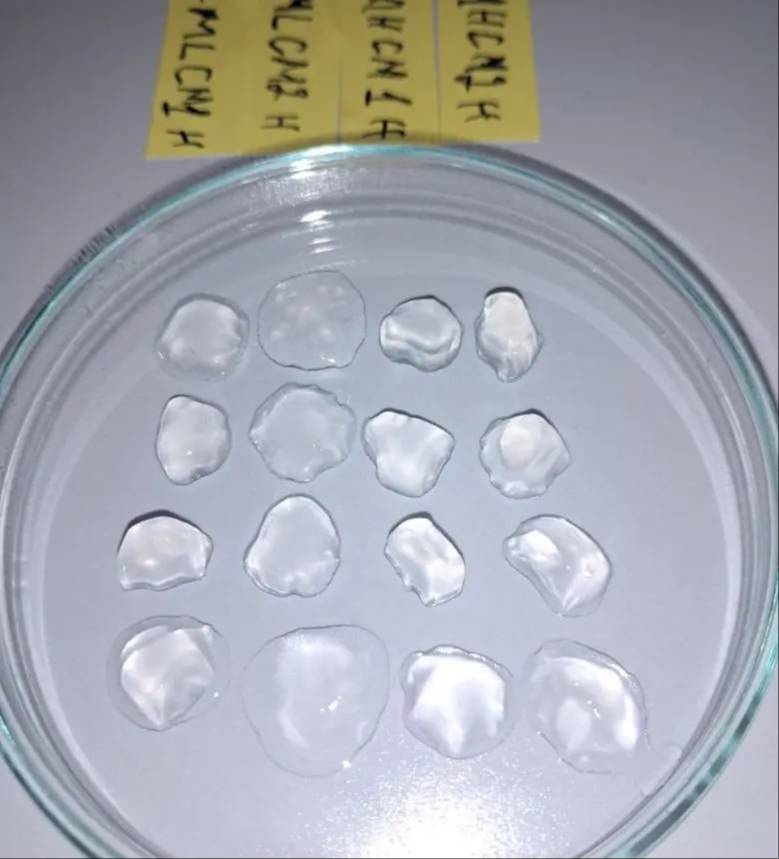
In 2024, Olimjon Boymatov took part in an internship competition announced by the Agency for Innovative Development of the Republic of Uzbekistan and studied at Leibniz University of Hanover, where he studied modern bioprinting technologies and hydrogel production methods. As a result, positive results have been obtained on the creation of bio-ink that allows printing human organs on a 3D bioprinter.
The new hydrogel consists of polysaccharides from native plants, in which human cells (iMSC) are able to live and develop. This opens up prospects for printing artificial organs and tissues that are safe and well compatible with the human body.
Millions of people worldwide are awaiting organ transplant operations, with a shortage of donors remaining a major problem. In this regard, scientists from different countries are actively developing 3D bioprinting technologies. Modern research has already confirmed the possibility of printing blood vessels, skin, cartilage, as well as individual elements of the heart, liver and kidneys. The demand for biochernils in the world is high, but their cost remains significant.
It is expected that this invention will help reduce the need for donor organs in the future, save the lives of many patients, and make an important contribution to the development of Russian science and medicine.
For reference: in 2025, 147 young scientists completed internships abroad under the programs of the Agency for Innovative Development. These internships are fully funded from the state budget and allow researchers to improve their projects and achieve new scientific results.