
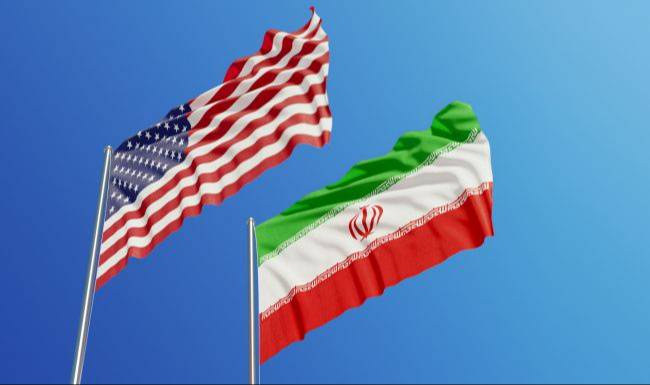
The US president announced on the Truth Social network that he had agreed to a two-week ceasefire at the request of the Pakistani authorities and on condition of the full opening of the Strait of Hormuz.
According to Trump, the proposals received from Iran can form the basis of a peace agreement for a longer period.
The Supreme National Security Council of Iran also confirmed its agreement to a cease-fire. The council's statement was published by the country's Foreign Minister Abbas Araghchi. At the same time, Tehran stressed that the republic still maintains full combat readiness.
Among Iran's key demands:
non-aggression pledge;
Maintaining control over the Strait of Hormuz;
consent to uranium enrichment;
cancellation of primary and secondary sanctions;
termination of certain resolutions of the UN Security Council and the IAEA;
payment of compensation to Iran;
withdrawal of American combat forces from the region;
Cessation of hostilities on all fronts, including the conflict with Hezbollah in Lebanon.
Pakistani Prime Minister Shahbaz Sharif, who had previously proposed the idea of a two-week truce, said the ceasefire would take effect immediately. According to him, negotiations between Iran and the United States will take place on April 10 in Islamabad.
The Iraqi Foreign Ministry has already welcomed the agreement, expressing hope that it will lead to de-escalation and strengthen stability in the region.
Against the background of the announcement of the truce, world oil prices have dropped sharply. The price of Brent, which was in the range of $107-110 per barrel during April 7, dropped to about $94 per barrel after the announcement of the agreement, and WTI - to $96.8.