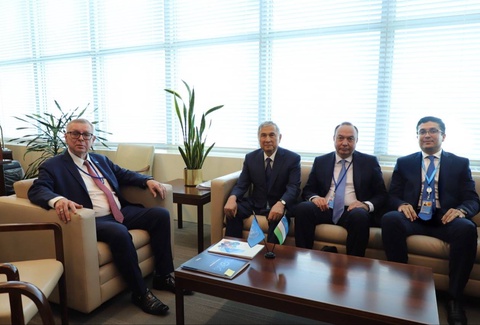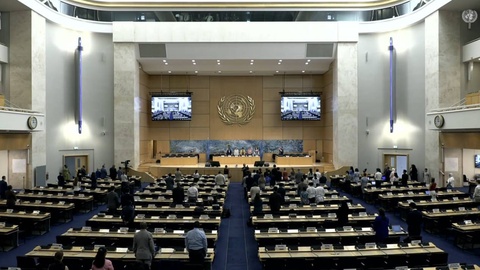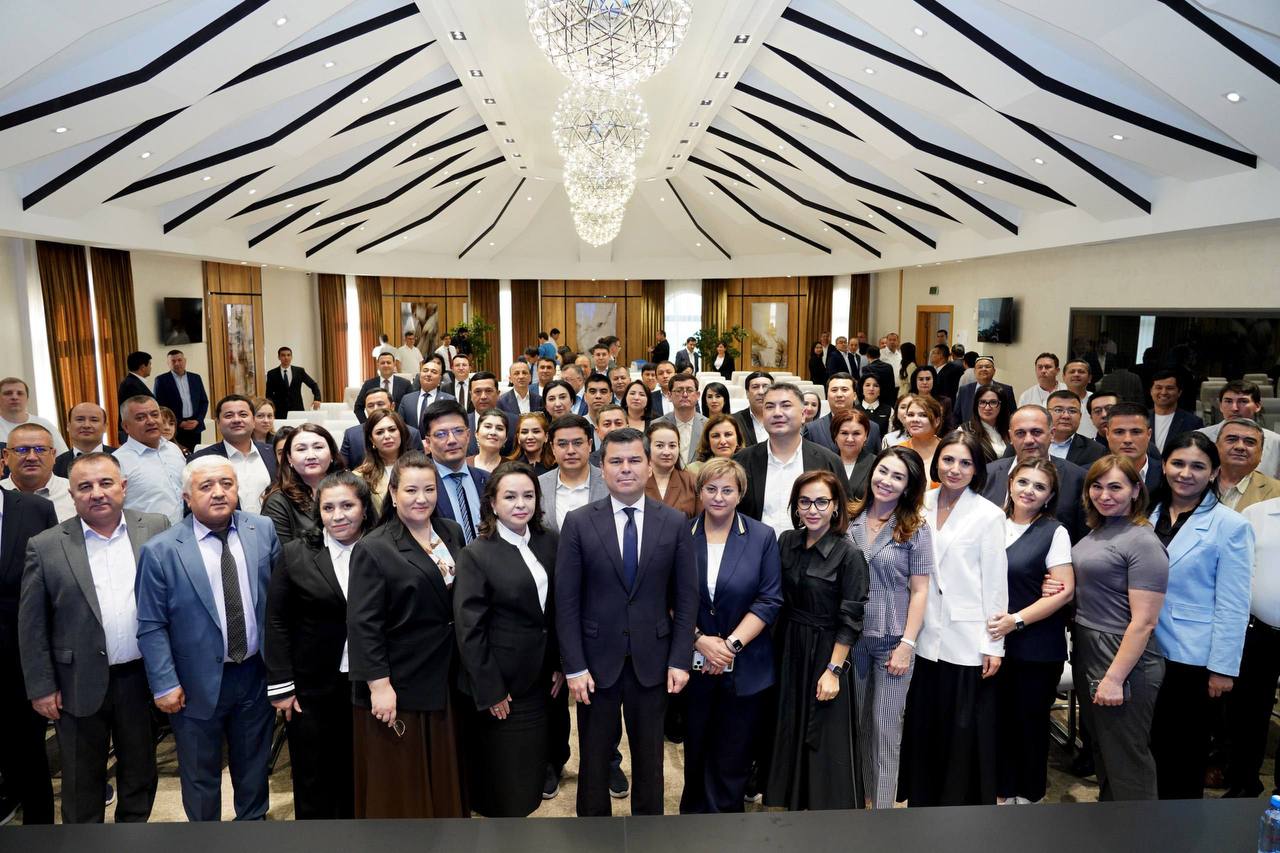

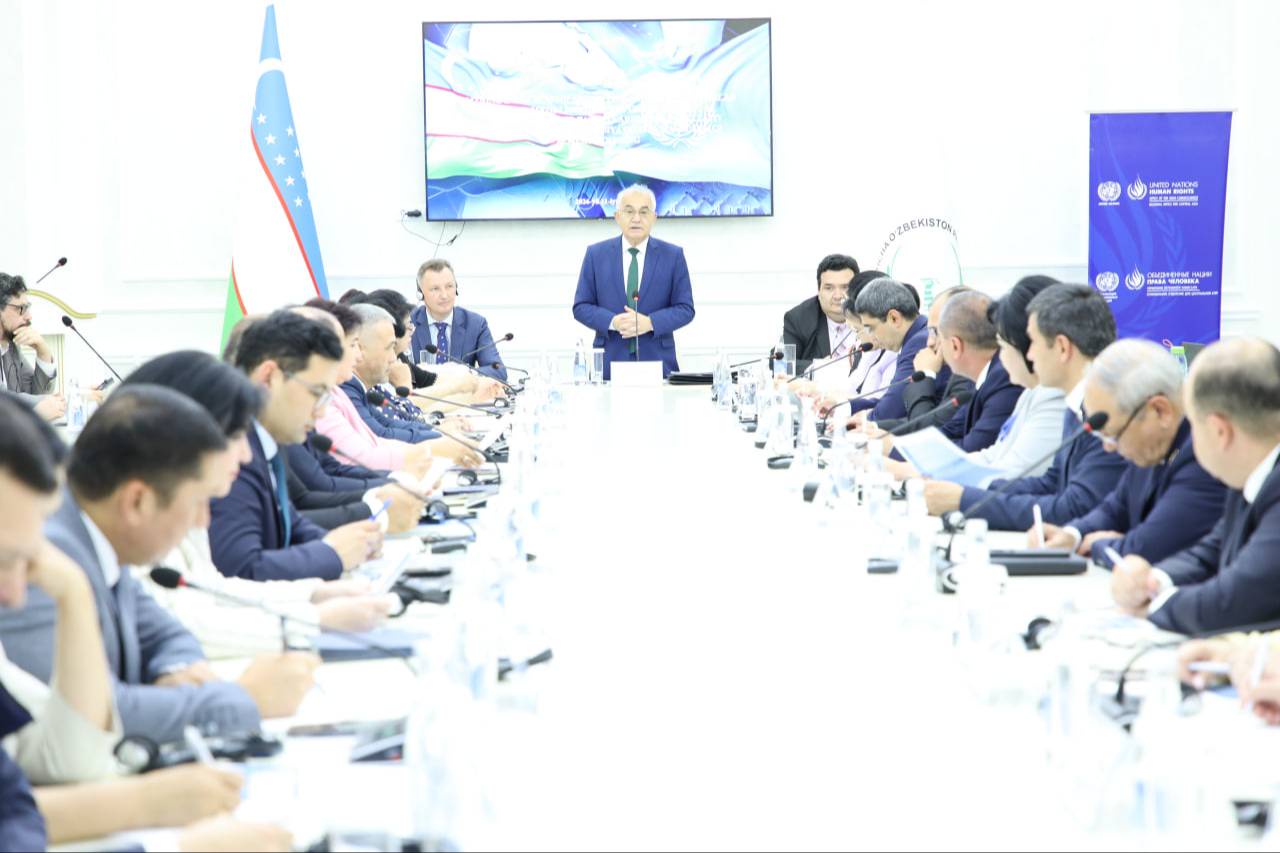
The
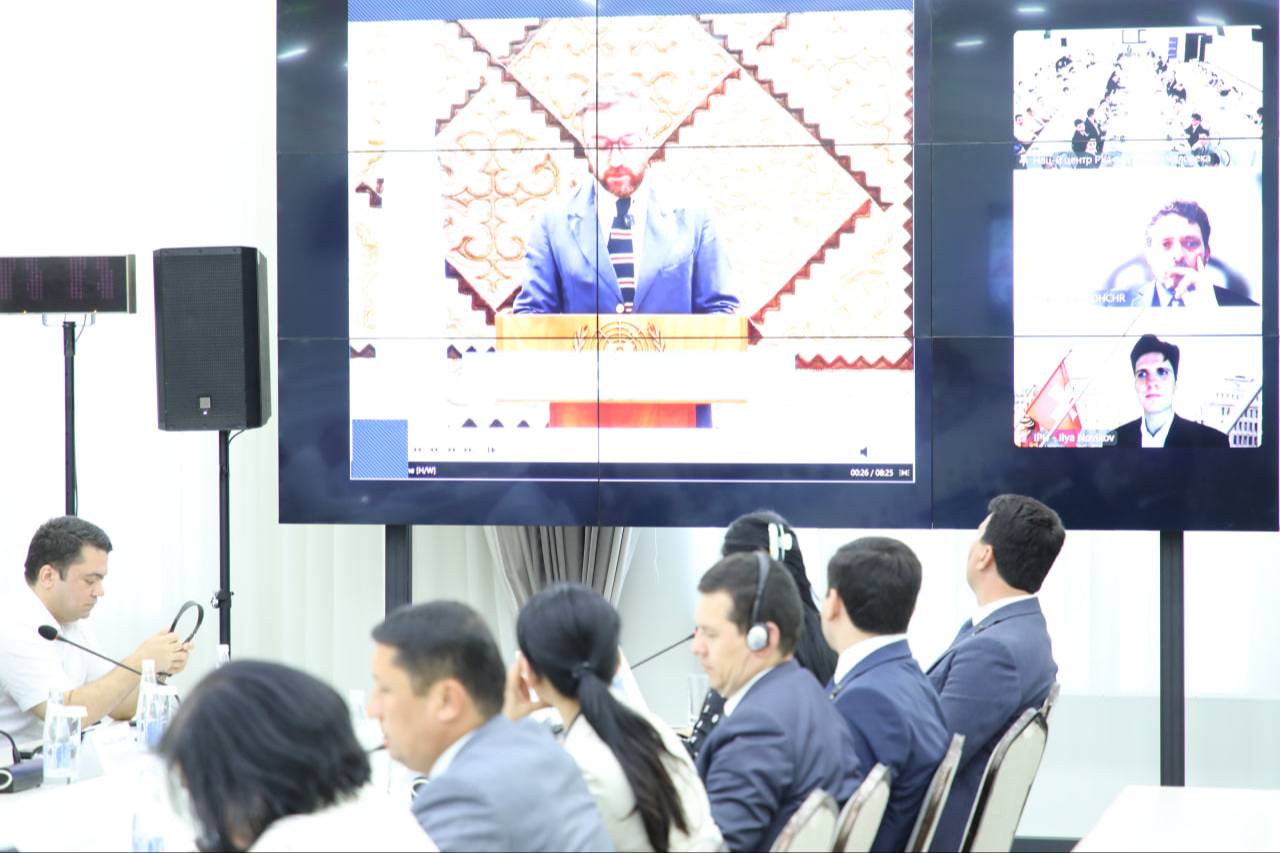
seminar, held in a hybrid format, was organized by the National Center for
Human Rights of the Republic of Uzbekistan jointly with the Office of the
United Nations High Commissioner for Human Rights (OHCHR) and its Regional
Office for Central Asia with the participation of the Inter-Parliamentary Union
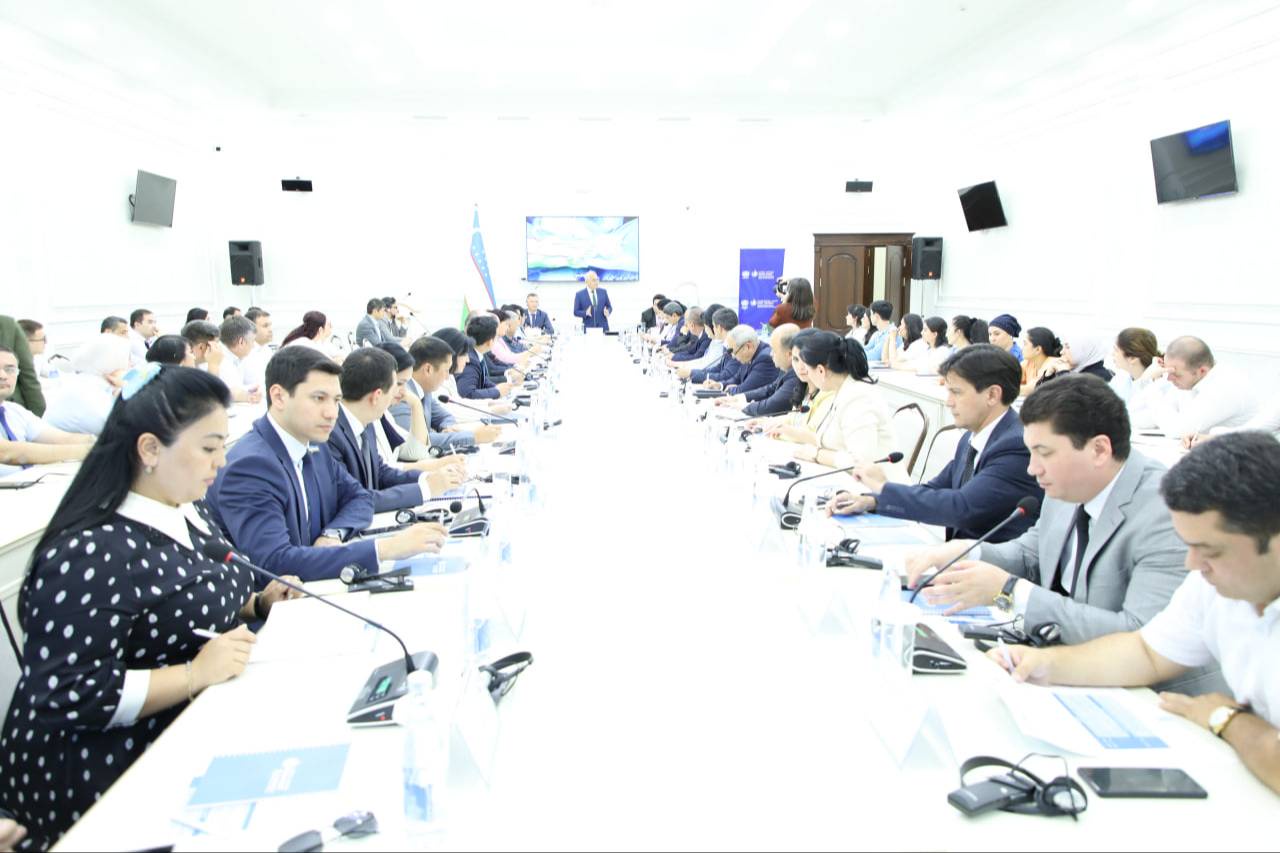
(IPU) and the International Commission of Jurists (ICJ). The work was attended
by deputies of the Legislative Chamber and members of the Senate of the Oliy
Majlis, representatives of the National Center for Human Rights, as well as
experts from the United Nations Office on Human Rights, the Interparliamentary
Union and the International Commission of Jurists.
The seminar
was designed to deepen parliamentarians' understanding of the role of the
legislature in the UN human rights system, introduce them to the procedures for
reviewing individual communications under the Optional Protocols to
international UN treaties, and discuss the legal and institutional implications
of their possible ratification for Uzbekistan.
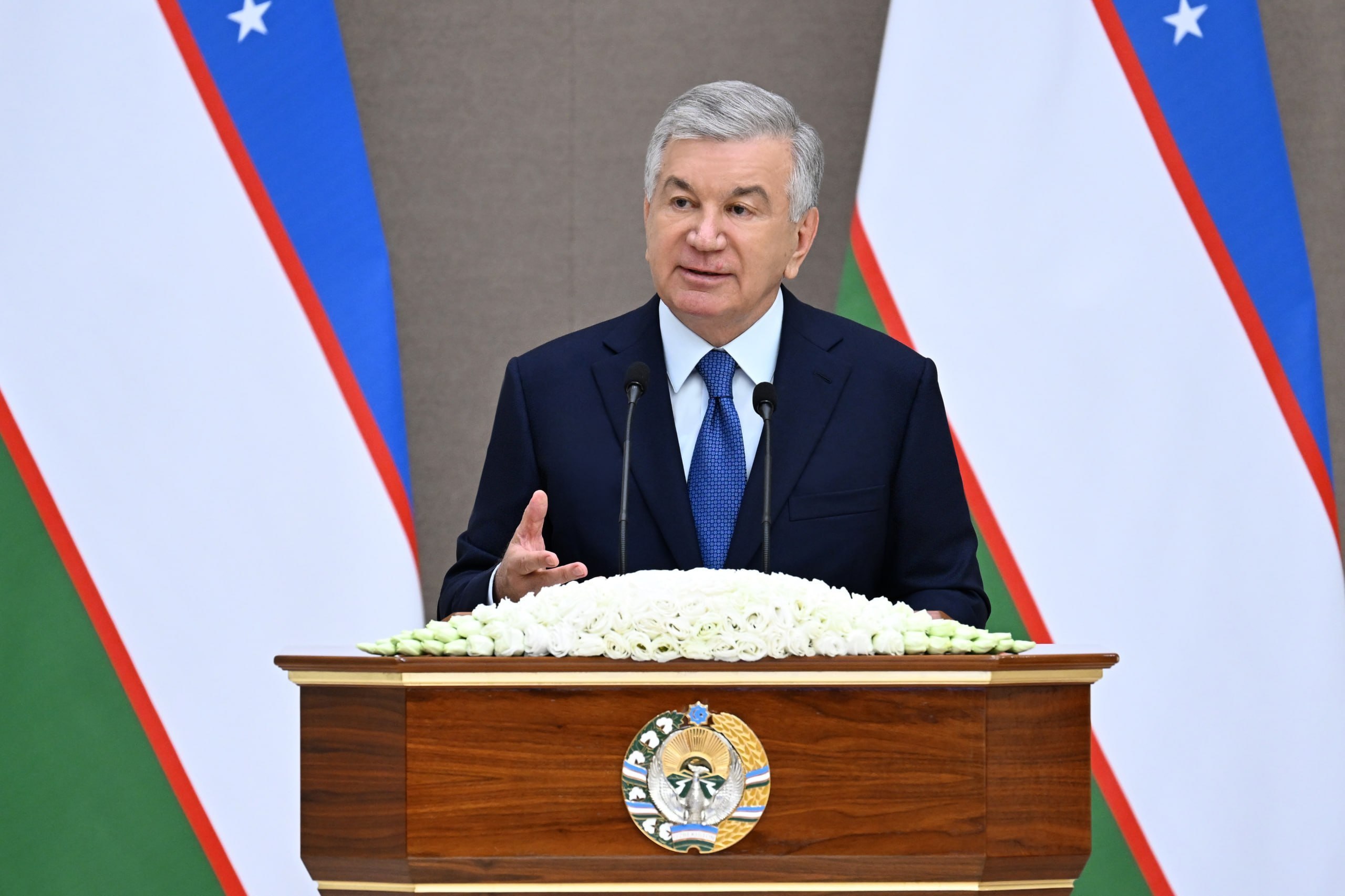
It is
important to note that the parliament's interaction with the UN human rights
mechanisms is a logical continuation of the strategic course proclaimed by
President of the Republic of Uzbekistan Shavkat Mirziyoyev from the rostrum of
the 46th session of the UN Human Rights Council on February 22, 2021, in a
historic speech when Uzbekistan participated for the first time as an elected
member of the Council. The Head of State stressed that democratic reforms in
the country have become irreversible, and ensuring fundamental human rights and
freedoms will continue to occupy a central place in the reform of the New
Uzbekistan. The President reaffirmed Uzbekistan's firm commitment to its international
obligations in the field of human rights and announced the continuation of
close cooperation with Council member States and all partners in order to
promote the UN Secretary-General's "Call to Action for Human Rights"
initiative. In his remarks, the Head of State noted that Uzbekistan, as a
member of the Human Rights Council, will protect and actively promote
universally recognized principles and norms of international human rights law.
Parliament's consideration of the issue of accession to the Optional Protocols
providing for individual communications procedures is the next logical step in
the consistent implementation of this course.
The
constitutional and legal basis of the issues under discussion are the
provisions of the Constitution of the Republic of Uzbekistan in a new edition.
According to article 55 of the Constitution, everyone has the right, in
accordance with the legislation and international treaties of the Republic of
Uzbekistan, to apply to international bodies for the protection of human rights
and freedoms if all available domestic remedies have been exhausted. Thus, the
right to appeal to the UN treaty bodies is enshrined at the constitutional
level, which is directly related to the issue of ratification of the Optional
Protocols providing for individual communications procedures. In turn, article
56 of the Constitution stipulates those national human rights institutions
complement existing forms and means of protecting human rights and freedoms,
promote the development of civil society and enhance the culture of human
rights, and the State creates conditions for organizing their activities.
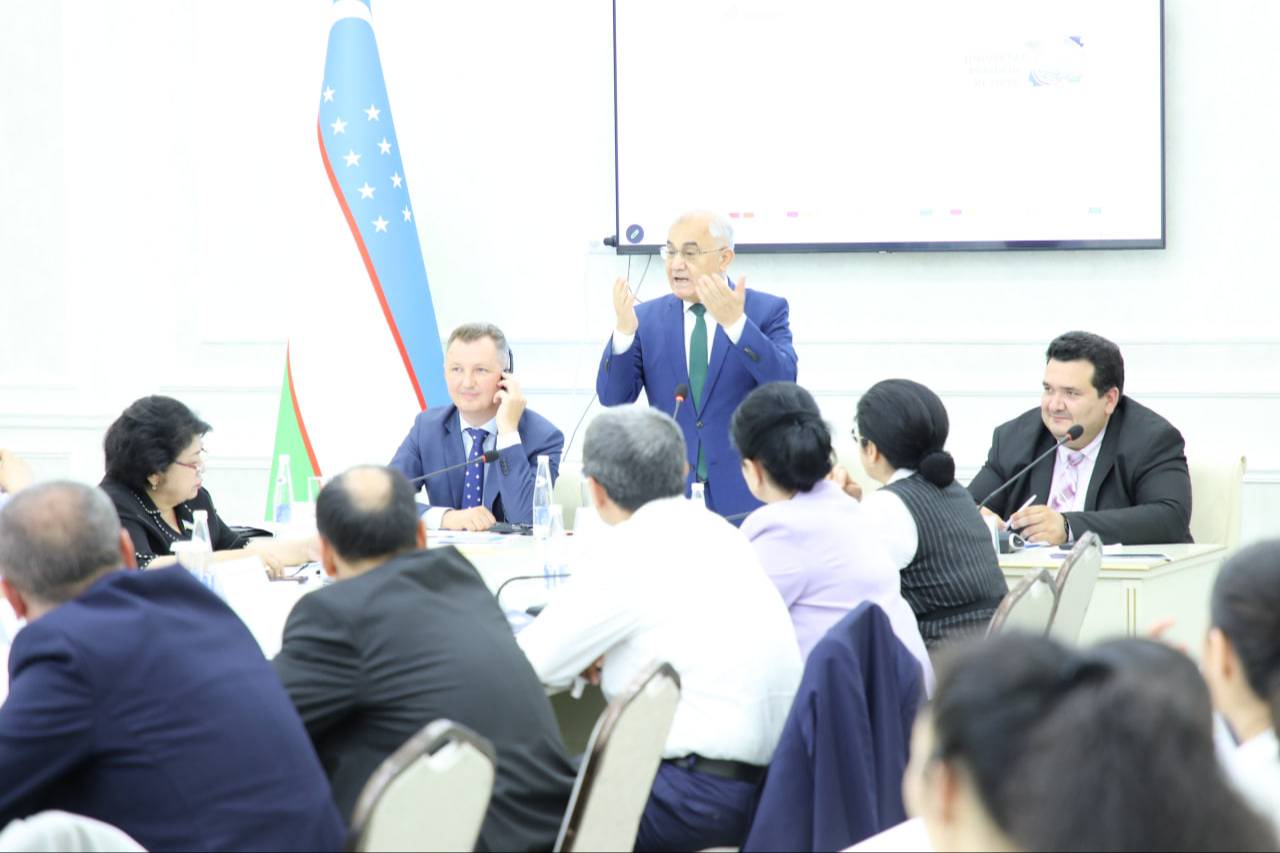
Director of
the National Center for Human Rights of the Republic of Uzbekistan, member of
the UN Human Rights Committee, academician Akmal Saidov, Acting Regional
Representative of OHCHR for Central Asia Ennio Boati (online), as well as a
representative of the Inter-Parliamentary Union addressed the participants with
a welcoming speech.
The seminar
program was structured around four thematic sessions: "The UN human rights
system and parliaments", "Procedures for reviewing communications
under the Optional Protocols", "Implementation of the views of the
treaty bodies", "Implications for Uzbekistan and further steps".
Omer
Fischer, Human Rights Officer of the OHCHR Regional Office for Central Asia,
Pavlo Bialik, OHCHR Regional Adviser on the Universal Periodic Review, Ilya
Novikov, Junior Adviser on Human Rights of the Interparliamentary Union, Behzod
Aliyev, Human Rights Adviser of the OHCHR Petitions Section, Director of the
Program for Europe and Central Asia of the International Commission of Jurists,
accompanied the presentations with expert reports and explanations. Temur
Shakirov, Abbosbek Nabiev, Senior Specialist of the International Cooperation Department
of the National Center for Human Rights of the Republic of Uzbekistan.
The seminar
ended with an open discussion and summing up. The participants stressed the
importance of further strengthening cooperation between the Parliament, the
National Center for Human Rights and the UN mechanisms, as well as continuing
the expert dialogue on accession to the Optional Protocols.
The seminar
was part of Uzbekistan's consistent efforts to implement the National Human
Rights Strategy and expand cooperation with United Nations treaty bodies and
mechanisms.
Press Service The National Center
Republic of Uzbekistan on human rights.