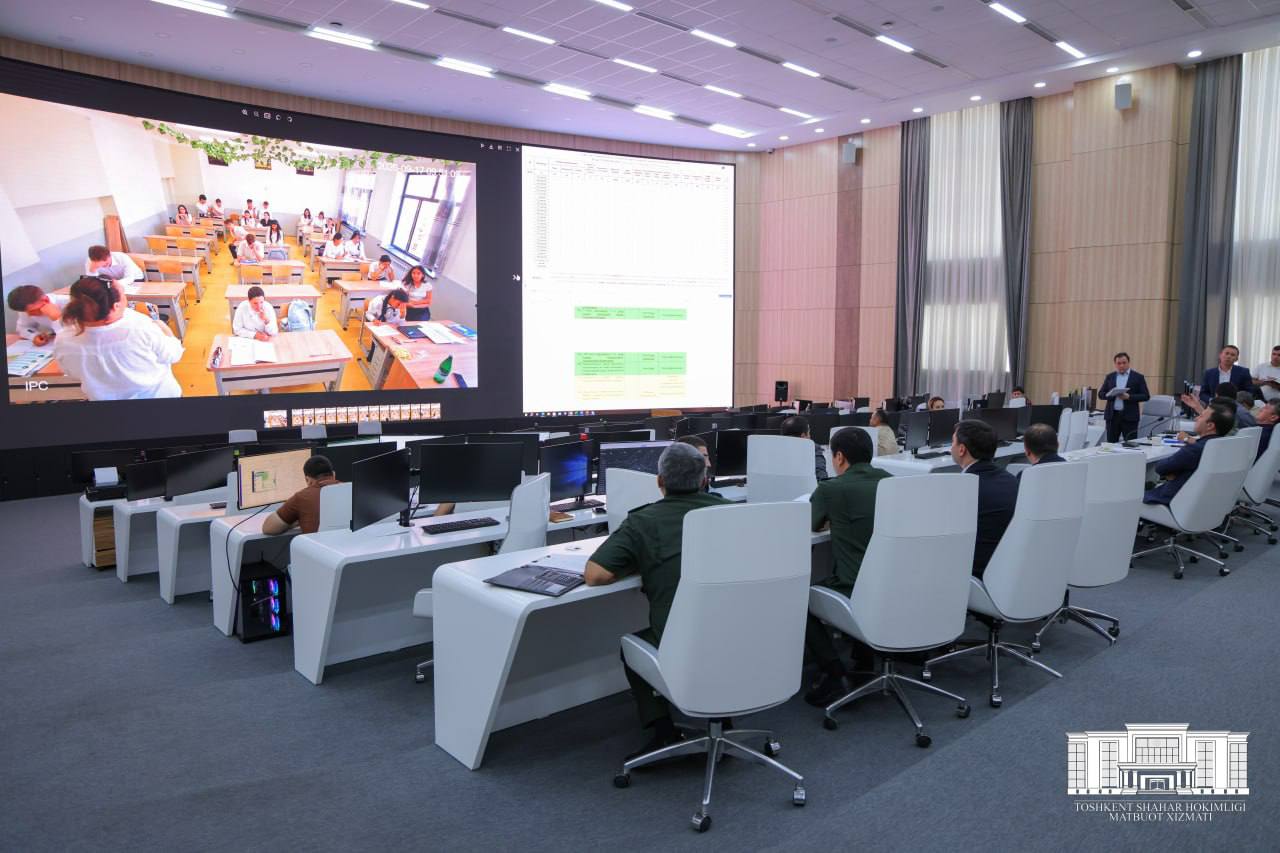

One of the key issues on the agenda was the consideration and adoption of a regulatory act regulating the implementation and application of the Tashkent city design code.
In accordance with Kengash's decision, appendices to the document defining the rules of the design code will be published on the platform in the coming days. regulation.gov.uz for public discussion. Residents of the city, as well as representatives of the professional community, will be able to send their comments, suggestions and questions.
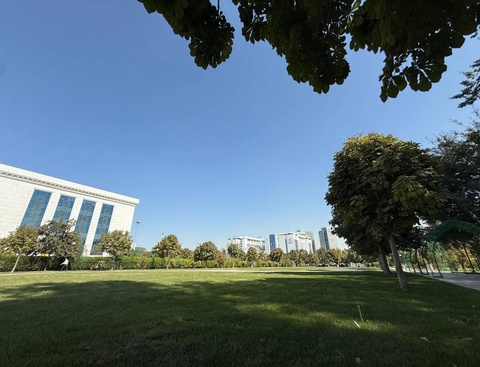
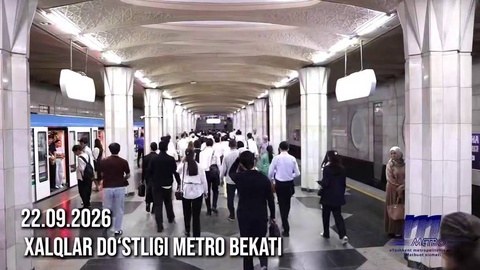
Tashkent's design code was developed jointly with Citymakers International and Toshkent Invest Companiyasi. The document is aimed at creating a holistic, convenient and safe urban environment, establishes uniform and understandable requirements for the appearance of buildings and public spaces in the capital, and also forms a new culture of the urban environment - neat, lively and visually harmonious.
Citymakers International has practical experience in implementing similar solutions in large cities and agglomerations, including Moscow and St. Petersburg, as well as in the regions of Kazakhstan, the Russian Federation and other CIS countries. This made it possible to adapt the best international and regional practices, taking into account the specifics of Tashkent.
Key areas of design code regulation include:
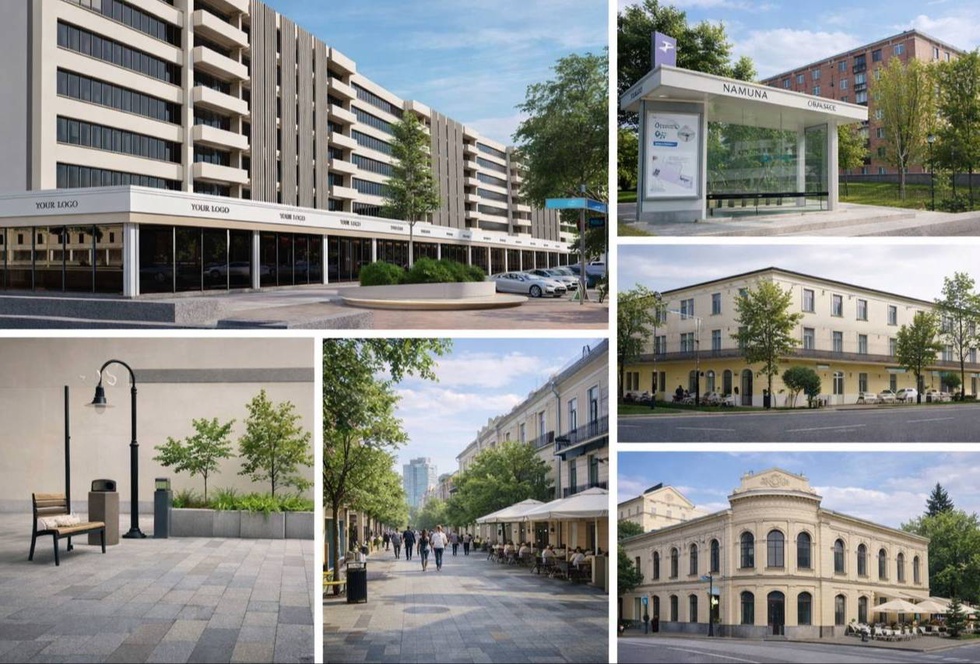
the architecture of buildings (materials, colors, textures, facades, storefronts, and entrances);
signage and advertising (sizes, fonts, lighting, and acceptable placements);
landscaping elements (sidewalks, street lighting, benches, urns, landscaping);
street infrastructure (fences, navigation, public transport stops, small architectural forms);
historical environment (measures to preserve the architectural appearance of monuments and historical districts).
It is noted separately that the document addresses not only issues of visual appearance, but also the rational, orderly use of adjacent territories, and also defines a list of tourist streets with a special regime that takes into account their social and urban significance.
It is expected that the implementation of the design code will create conditions for the growth of entrepreneurial activity, more rational and legal use of urban spaces, increase the incomes of businesses and the population, as well as increase the comfort and safety of the urban environment.