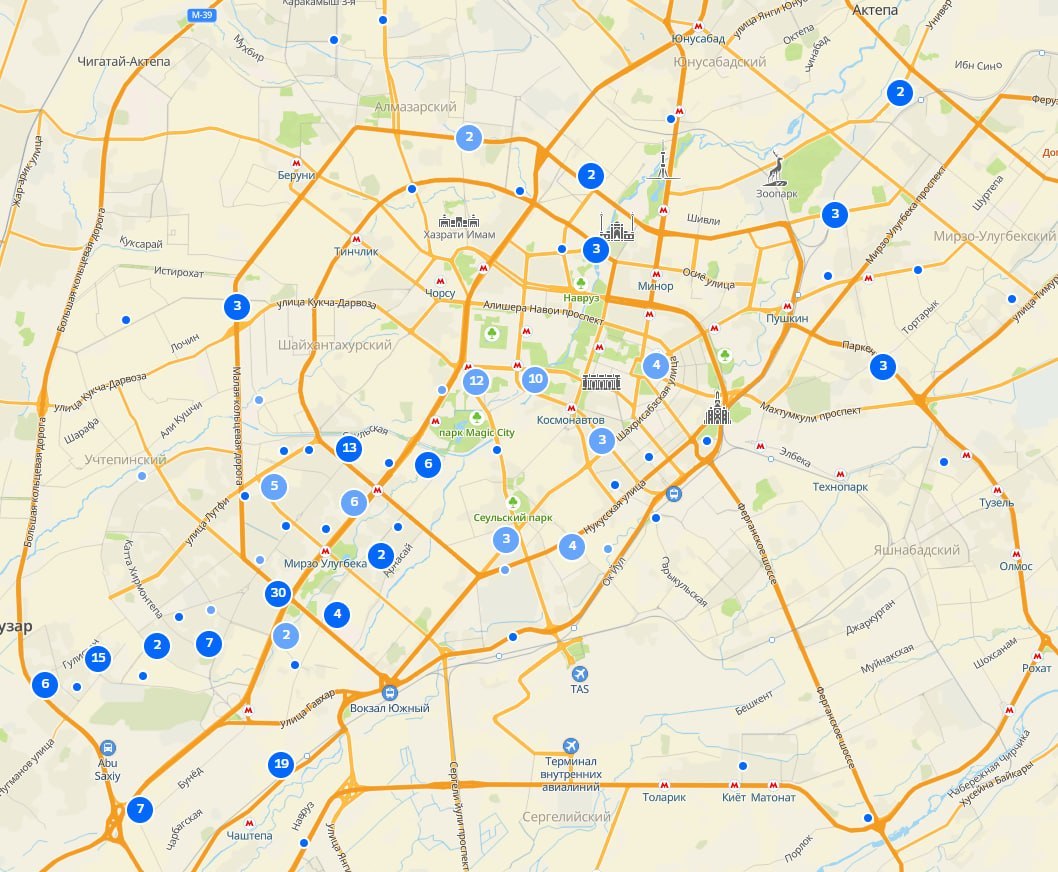



As noted, more than 7.1 million people currently live in over 44,000 multi-apartment buildings nationwide. These buildings are serviced by more than 900 management service companies and over 200 homeowners’ associations, while a self-management system has been introduced in 856 buildings.
In recent years, specific efforts have been undertaken to improve multi-apartment buildings and adjacent areas, repair common property, and modernize engineering utilities. As a result, the level and coverage of services provided to the population have increased.
At the same time, improving service quality remains relevant by strengthening the sustainability and efficiency of management service companies, expanding the range of services, and adopting modern management approaches.
Most management companies, however, continue to operate primarily on mandatory contributions, while the number of entrepreneurs willing to invest in this sector’s development remains limited. According to preliminary expert estimates, in major cities and regional centers, the volume of hidden revenues for management service companies is at least twice the officially reported income. Taken together, these factors point to the need to establish a new model for housing management.
In this context, it was proposed to introduce a cluster-based system for managing multi-apartment residential buildings across several cities and districts in 2026-2030 as part of a legal pilot project.
As part of the pilot project, an assessment of the condition of residential buildings will be conducted, followed by their classification into “green”, “yellow”, and “red” categories. It is also planned to form lots comprising at least 7,000 apartments and to develop five-year development programs for them. District councils will approve the lots and master plans, while property owners will select management organizations through voting via the “Mening Uyim” (My Home) system.
Minimum financial and organizational requirements will be established for management organizations, including the availability of own funds, a material and technical base, and a 24-hour dispatch service. At the same time, opportunities will be created to generate additional income through the establishment of household service centers, the construction of lightweight structures, and their long-term operation.
Mandatory contributions, as well as all additional revenues of management organizations generated through service provision, will be recorded exclusively through the “Mening Uyim” billing system. Failure to comply with this procedure for handling contribution-related settlements will be considered a violation of accounting and reporting regulations.
Contracts for the lease or gratuitous use of common property will be subject to mandatory registration with the tax authorities. In the event of a violation of the established procedure, the management organization will be removed from the electronic register. Initiation of general meetings, conduct of discussions, decision-making, contract conclusion, reporting, and the submission and consideration of appeals will all be fully implemented within the “Mening Uyim” information system.
If reports on completed work are not entered into the “Mening Uyim” system at the end of each quarter, the accrual of mandatory contributions for subsequent months will be suspended until the information is entered, and no recalculation will be made for that period. In addition, a national information system, “Turar-Joy” (Residential area), will be introduced in stages, incorporating data on the technical condition of multi-apartment buildings, land plots, and energy and water consumption.
A mandatory requirement for commissioning a multi-apartment residential building is the issuance of a cadastral passport and its automatic display in the “Turar-Joy” system, as well as the transfer of the installed solar panels to the management body as common property. Failure to meet these conditions will result in the building not being commissioned.
Another important aspect is the sector’s digitalization and adoption of artificial intelligence. AI-based systems are planned to be introduced primarily in management companies’ dispatch services to enable faster processing of requests and service delivery.
It was proposed that, in 2026-2030, as a continuation of institutional reforms in the sector, territorial inspections for oversight of housing and utilities be established within hokimiyats, extrabudgetary funds be created for them, and the position of Deputy Hokim for Housing and Utilities be introduced.
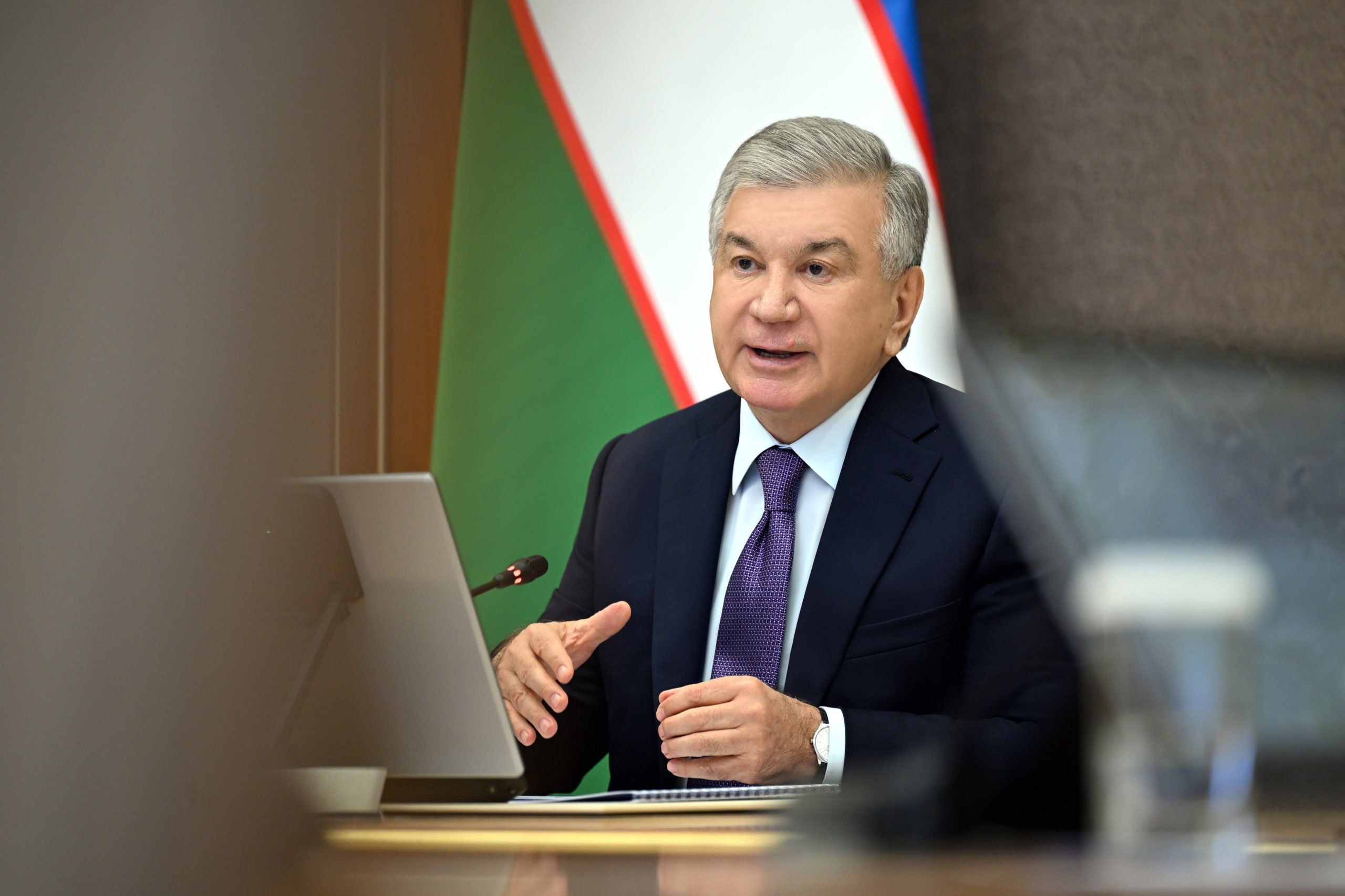
The Head of State instructed the responsible officials to enhance the sector’s investment attractiveness promptly and to create an economically sustainable, transparent, and mutually beneficial system for both homeowners and management companies.