
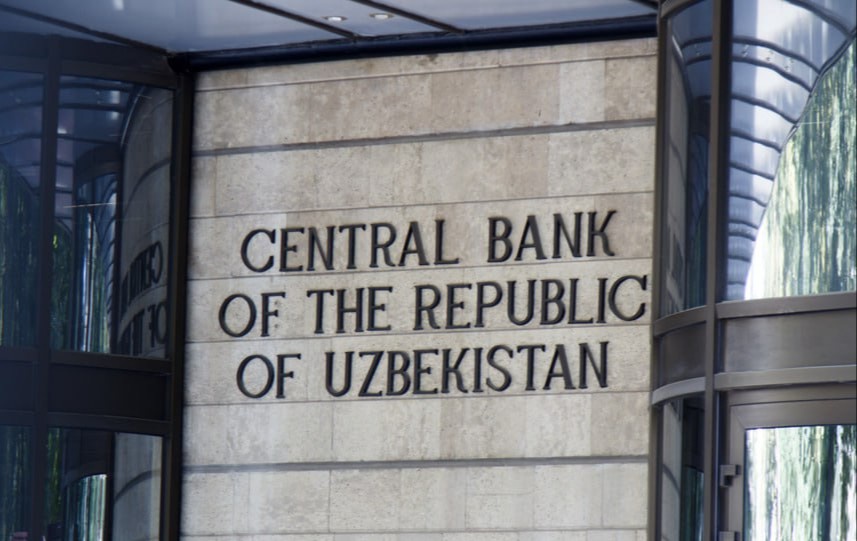
The regulator noted that economic activity is higher than expected, while inflation continues its downward trend. Specifically, in December 2025, annual inflation stood at 7.3%, and core inflation was 5.7%. Nevertheless, high inflation in the services sector and potential risks in food prices necessitate maintaining monetary policy at its current tight level.
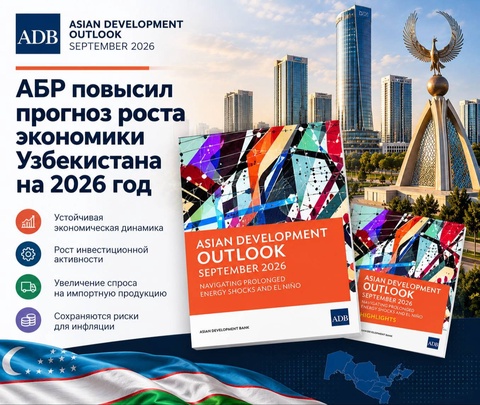
Throughout 2025, as a result of a positive environment in the domestic foreign exchange market and increased export earnings, the national currency — the sum — strengthened by 6.9%. This process helped reduce import inflation pressure and lowered foreign debt servicing costs. Additionally, high gold prices remain a vital support for exports and budget revenues. According to updated forecasts, inflation is expected to be around 6.5% by the end of 2026, with economic growth rates projected between 6.5% and 7%.
The Central Bank may consider lowering the main rate in the coming quarters if inflationary expectations steadily decline. The primary goal is to lower inflation to a 5% target in the medium term and protect the population's purchasing power. The Board's next meeting on the main rate is scheduled for March 18, 2026.