
The Office of the United Nations High Commissioner for Human Rights (OHCHR), the Council of Europe, the African Union, the Organization of American States, and the Committee on the Arab Charter of Human Rights are also among the co-organizers. The event was held in the format of a panel discussion dedicated to the affirmation of the principle of universality, indivisibility and interdependence of human rights in the context of geopolitical tensions, selective interpretation of norms and the narrowing of civil space. The participants emphasized that universality does not mean uniformity.: Universal standards gain legitimacy and effectiveness through various legal systems and institutional traditions, while regional mechanisms act as "bridges" between the global system and national realities. The experience of the Republic of Uzbekistan, which consistently implements large-scale reforms in the field of human rights protection, strengthening national institutions and developing constructive cooperation with international and regional human rights mechanisms, was noted as one of the successful examples of the practical implementation of universal international standards. UN Deputy High Commissioner for Human Rights Ava Dabo confirmed that the universality of human rights is the foundation of the international human rights system, enshrined in the UN Charter, the Universal Declaration of Human Rights, as well as the Vienna Declaration and Programme of Action. She noted the role of OHCHR as a bridge between global and regional systems and warned against trends towards fragmentation and relativization of universal norms. Ambassador Miroslav Papa, Special Representative of the Secretary General of the Council of Europe to the United Nations and Permanent Observer of the Council of Europe in Geneva, presented the experience of the European regional system, including the European Convention on Human Rights and the jurisprudence of the European Court of Human Rights, as an example of the implementation of universal norms at the regional level. Representatives of the African and American regions emphasized in their speeches that the universality of human rights is most effectively implemented taking into account national characteristics and regional experience. Philippe Jaffe, Deputy Chairman of the UN Committee on the Rights of the Child, examined the universality of the rights of the child from the point of view of a treaty body, showing how universal standards are consistently applied in various cultural and legal contexts. Former Special Rapporteur on the right to freedom of peaceful assembly and association Clement Nyaletsossi Vule drew attention to the narrowing of the civil space and the importance of universal protection of fundamental freedoms - the right to peaceful assembly and association - as an integral element of a unified human rights system. During the interactive session, an exchange of views took place with representatives of States, regional organizations and civil society on practical aspects of interaction between global and regional human rights mechanisms. As the results of the event showed, it is advisable for Uzbekistan to continue the participation of the country's representatives in such events of the UN Human Rights Council and to develop the practice of co-organizing together with OHCHR and regional human rights systems. It is also important to use the platform of the UN Human Rights Council to promote Uzbekistan's national initiatives in the human rights field. The country is also of great interest in developing interregional cooperation with the Council of Europe, the African Commission and the Inter-American Commission on Human Rights in order to strengthen universal human rights standards.
The Office of the United Nations High Commissioner for Human Rights (OHCHR), the Council of Europe, the African Union, the Organization of American States, and the Committee on the Arab Charter of Human Rights are also among the co-organizers.
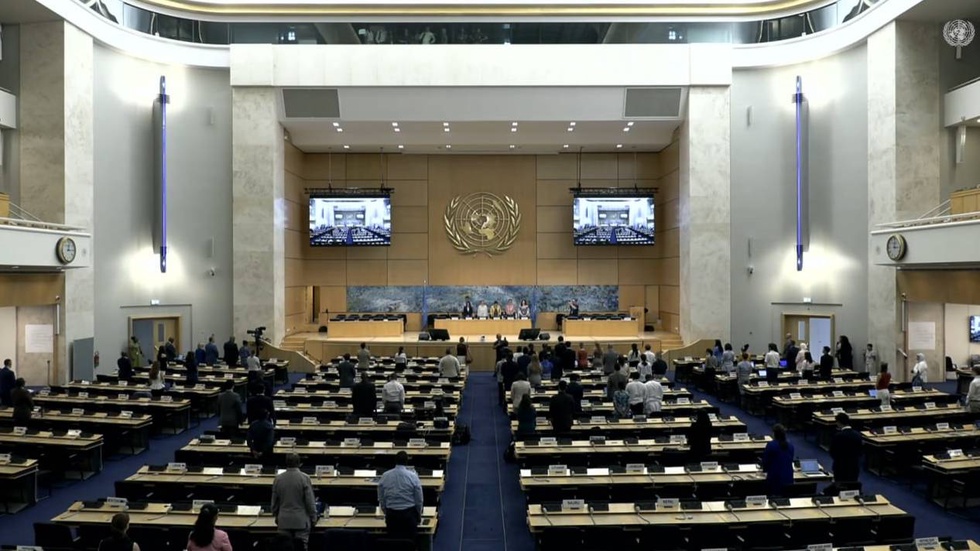
The event was held in the format of a panel discussion dedicated to the affirmation of the principle of universality, indivisibility and interdependence of human rights in the context of geopolitical tensions, selective interpretation of norms and the narrowing of civil space.
The participants emphasized that universality does not mean uniformity.: Universal standards gain legitimacy and effectiveness through various legal systems and institutional traditions, while regional mechanisms act as "bridges" between the global system and national realities.
The experience of the Republic of Uzbekistan, which consistently implements large-scale reforms in the field of human rights protection, strengthening national institutions and developing constructive cooperation with international and regional human rights mechanisms, was noted as one of the successful examples of the practical implementation of universal international standards.
UN Deputy High Commissioner for Human Rights Ava Dabo confirmed that the universality of human rights is the foundation of the international human rights system, enshrined in the UN Charter, the Universal Declaration of Human Rights, as well as the Vienna Declaration and Programme of Action. She noted the role of OHCHR as a bridge between global and regional systems and warned against trends towards fragmentation and relativization of universal norms.
Ambassador Miroslav Papa, Special Representative of the Secretary General of the Council of Europe to the United Nations and Permanent Observer of the Council of Europe in Geneva, presented the experience of the European regional system, including the European Convention on Human Rights and the jurisprudence of the European Court of Human Rights, as an example of the implementation of universal norms at the regional level.
Representatives of the African and American regions emphasized in their speeches that the universality of human rights is most effectively implemented taking into account national characteristics and regional experience.
Philippe Jaffe, Deputy Chairman of the UN Committee on the Rights of the Child, examined the universality of the rights of the child from the point of view of a treaty body, showing how universal standards are consistently applied in various cultural and legal contexts.
Former Special Rapporteur on the right to freedom of peaceful assembly and association Clement Nyaletsossi Vule drew attention to the narrowing of the civil space and the importance of universal protection of fundamental freedoms - the right to peaceful assembly and association - as an integral element of a unified human rights system.
During the interactive session, an exchange of views took place with representatives of States, regional organizations and civil society on practical aspects of interaction between global and regional human rights mechanisms.
As the results of the event showed, it is advisable for Uzbekistan to continue the participation of the country's representatives in such events of the UN Human Rights Council and to develop the practice of co-organizing together with OHCHR and regional human rights systems. It is also important to use the platform of the UN Human Rights Council to promote Uzbekistan's national initiatives in the human rights field. The country is also of great interest in developing interregional cooperation with the Council of Europe, the African Commission and the Inter-American Commission on Human Rights in order to strengthen universal human rights standards.
The event
was held in the format of a panel discussion dedicated to the affirmation of
the principle of universality, indivisibility and interdependence of human
rights in the context of geopolitical tensions, selective interpretation of
norms and the narrowing of civil space.
The
participants emphasized that universality does not mean uniformity.: Universal
standards gain legitimacy and effectiveness through various legal systems and
institutional traditions, while regional mechanisms act as "bridges"
between the global system and national realities.
The
experience of the Republic of Uzbekistan, which consistently implements
large-scale reforms in the field of human rights protection, strengthening
national institutions and developing constructive cooperation with
international and regional human rights mechanisms, was noted as one of the
successful examples of the practical implementation of universal international
standards.
UN Deputy
High Commissioner for Human Rights Ava Dabo confirmed that the universality of
human rights is the foundation of the international human rights system,
enshrined in the UN Charter, the Universal Declaration of Human Rights, as well
as the Vienna Declaration and Programme of Action. She noted the role of OHCHR
as a bridge between global and regional systems and warned against trends
towards fragmentation and relativization of universal norms.
Ambassador
Miroslav Papa, Special Representative of the Secretary General of the Council
of Europe to the United Nations and Permanent Observer of the Council of Europe
in Geneva, presented the experience of the European regional system, including
the European Convention on Human Rights and the jurisprudence of the European
Court of Human Rights, as an example of the implementation of universal norms
at the regional level.
Representatives
of the African and American regions emphasized in their speeches that the
universality of human rights is most effectively implemented taking into
account national characteristics and regional experience.
Philippe
Jaffe, Deputy Chairman of the UN Committee on the Rights of the Child, examined
the universality of the rights of the child from the point of view of a treaty
body, showing how universal standards are consistently applied in various
cultural and legal contexts.
Former
Special Rapporteur on the right to freedom of peaceful assembly and association
Clement Nyaletsossi Vule drew attention to the narrowing of the civil space and
the importance of universal protection of fundamental freedoms - the right to
peaceful assembly and association - as an integral element of a unified human
rights system.
During the
interactive session, an exchange of views took place with representatives of
States, regional organizations and civil society on practical aspects of
interaction between global and regional human rights mechanisms.
As the results of the event showed, it is advisable for Uzbekistan to continue the participation of the country's representatives in such events of the UN Human Rights Council and to develop the practice of co-organizing together with OHCHR and regional human rights systems. It is also important to use the platform of the UN Human Rights Council to promote Uzbekistan's national initiatives in the human rights field. The country is also of great interest in developing interregional cooperation with the Council of Europe, the African Commission and the Inter-American Commission on Human Rights in order to strengthen universal human rights standards.
Press Service The National Center
Republic of Uzbekistan on human rights.