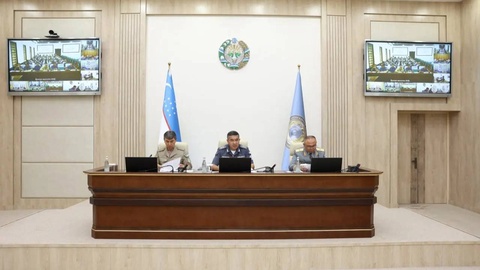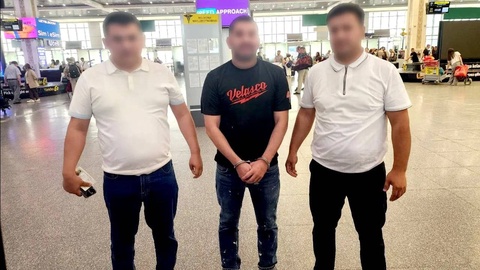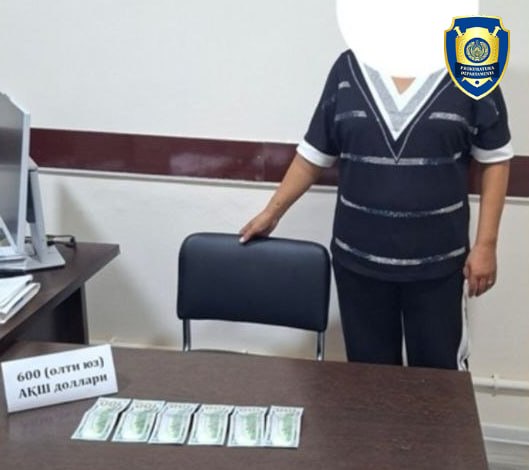


This was told to media representatives and the public during a press tour dedicated to the activities of the Cybersecurity Center of the Operational Investigative Department of the Ministry of Internal Affairs of the Republic of Uzbekistan.

As a result of these crimes, citizens' funds worth over 1 trillion 909 billion soums were plundered.
If in 2019, 863 crimes of 18 types were committed through information technology, then in 2024 58,800 crimes of 62 types were registered, and there is also a significant increase in the share of cybercrimes in total crime, which makes the need to prevent them even more urgent.
If in 2023 the share of cybercrimes in total crime was 6.2 percent, then in 2024 it reached 44.4 percent, while almost every second crime was committed using information technology. This situation requires systematic improvement of the system for preventing such crimes from year to year.
The main part of cybercrimes (98%) are crimes related to bank cards (cyber theft and cyber fraud).
Cybercrimes are mainly committed in the following ways:
60% - by gaining control over a bank card or mobile device by sending malicious links and programs;
16percent - by receiving an SMS code confirming the management of a bank card and accounts in mobile applications, using various fraudulent schemes;
4 percent - by applying for an online loan in the name of an individual;
11 percent - through fraud on online trading platforms;
9 percent is committed by attracting citizens' funds through various fraud schemes.
In order to prevent violations of this type, a number of legal, organizational and technical measures are being taken.
Based on the above analyses and statistical data, it can be noted that in the context of widespread information and communication technologies and the increasing possibilities of unlimited information exchange in real time, cybercrime is becoming a complex transnational problem.
During the press tour, experts provided journalists with information that raising citizens' awareness of modern cyber threats and their digital literacy is especially important nowadays for the timely prevention of crimes of this type.
The participants of the press tour also visited the Academy of the Ministry of Internal Affairs. At the educational institution, they got acquainted with the activities of the Department of Digital Technologies and Information Security, as well as with the presentation of professors and teachers working here.
During the organized press tour, media representatives and bloggers received answers to their questions about the system's activities.