
According
to the agency, the restrictions apply exclusively to individual exporters who
have committed violations of phytosanitary requirements, and do not apply to
other producers who comply with established standards.
Negotiations
have already been held with the Federal Service for Veterinary and
Phytosanitary Surveillance of Russia (Rosselkhoznadzor) on this issue.
Enterprises
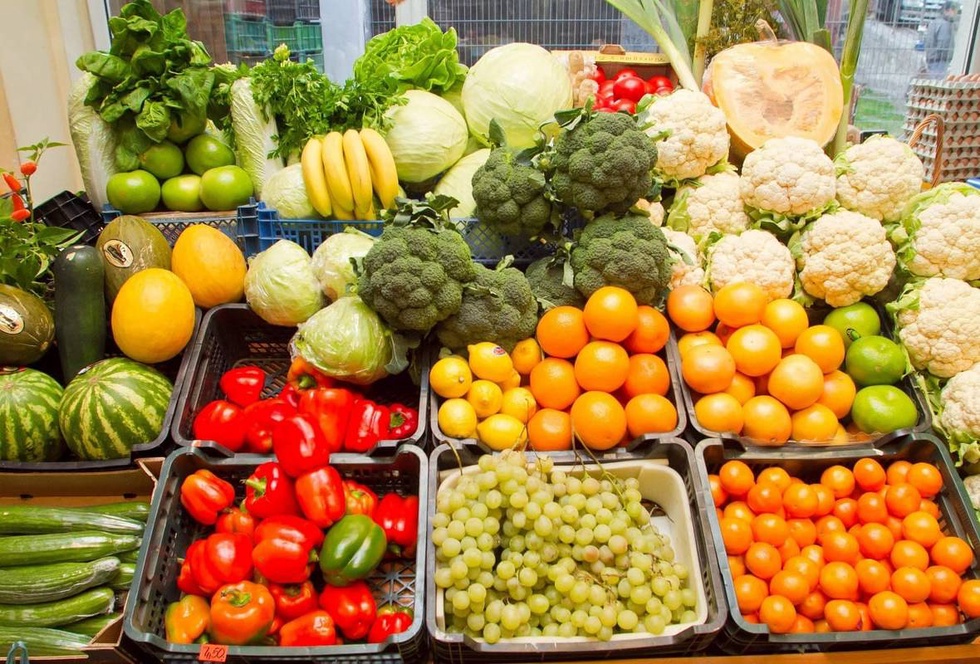
that supplied white cabbage and cauliflower, onions, dill, parsley, grapes,
beets, tomatoes and other agricultural products to Russia were subject to
restrictions.
According
to the Russian side, since the beginning of 2026, quarantine facilities of
importance to Russia have been identified in 132 cases in shipments from
Uzbekistan. Among them are the tomato brown rugose fruit virus, the South
American tomato moth (Tuta absoluta), the western (California) flower thrips
(Frankliniella occidentalis), the necrotic yellowing virus of sugar beet veins
(Beet necrotic yellow vein benyvirus) and other harmful organisms.
The
Rosselkhoznadzor will send to the Uzbek side an official document with a list
of enterprises, the reasons for the restrictions and information on identified
phytosanitary violations.
After
receiving the materials, the competent authorities of Uzbekistan will conduct a
comprehensive audit of the activities of these exporters. As a result,
appropriate measures will be taken in accordance with national legislation and
international phytosanitary requirements.
The Agency
stressed that in the near future, an additional working meeting will be held on
the current situation, following which more detailed information will be
provided.
Exporters
were also reminded of the need to strictly comply with the requirements of the
International Plant Protection Convention (IPPC), the World Organization for
Animal Health (WOAH), Codex Alimentarius standards, the WTO Agreement on
Sanitary and Phytosanitary Measures (SPS Agreement), as well as the
phytosanitary and veterinary-sanitary requirements of importing countries.
The agency
warned that failure to comply with these requirements could lead to the return
of products and restrict access of Uzbek goods to foreign markets.