
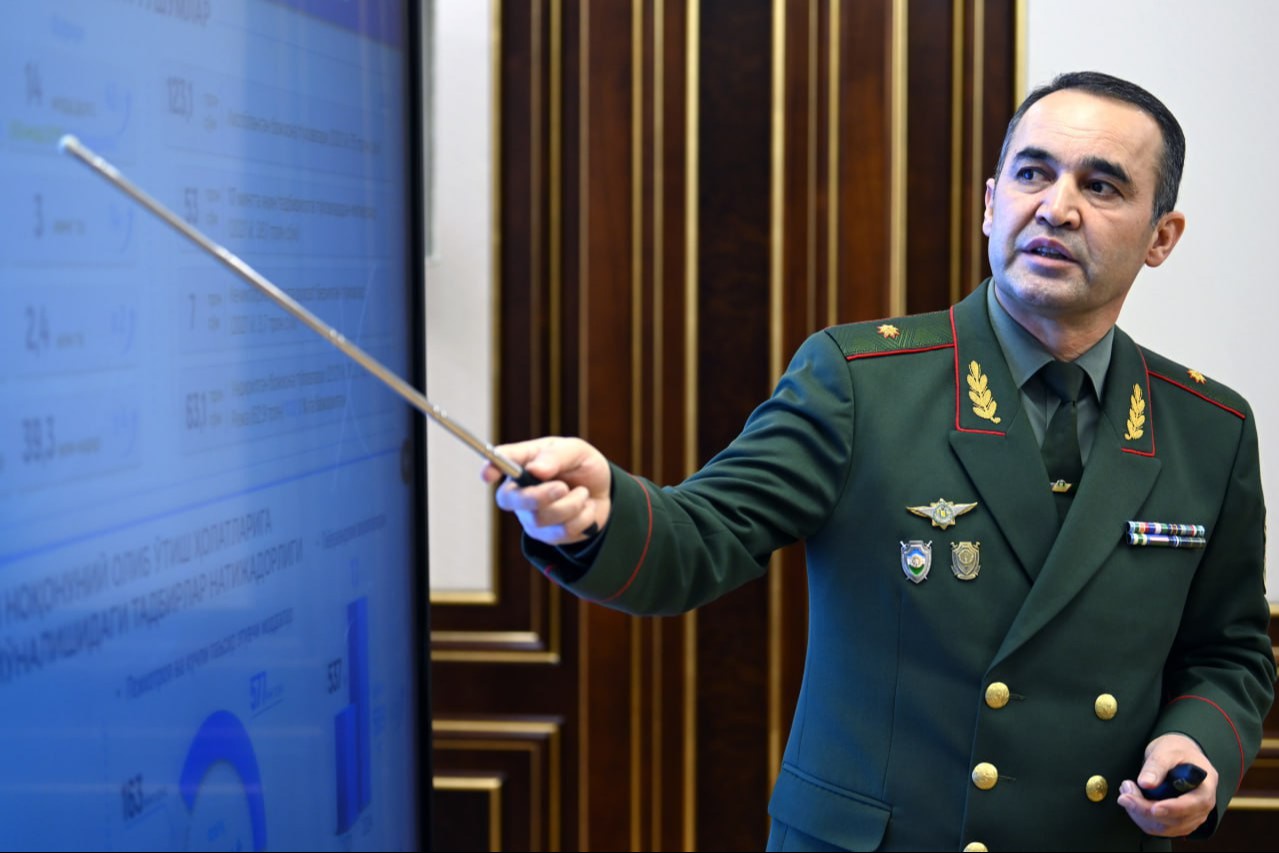
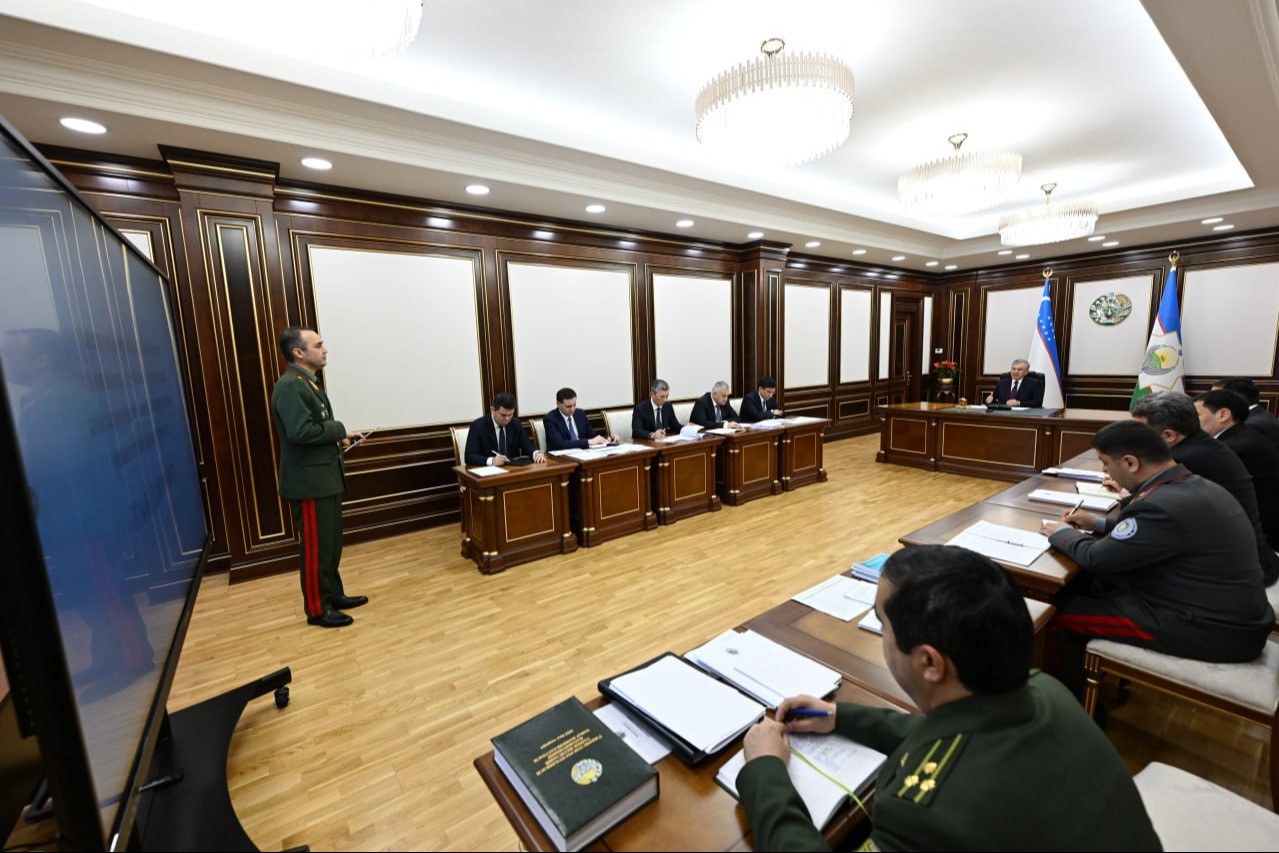
Significant work has been carried out in the customs sector to improve regional and international economic ties. Preliminary information exchange has been established with nearly ten countries, and customs clearance and data processing centers have been set up. Terminals have been built at four central customs posts, and more than 20 posts have been equipped with new equipment. For entrepreneurs, 35 information systems have been implemented, and the export procedure has been reduced from nine to three stages.
As a result, the number of vehicles crossing the border has increased eightfold, reaching almost 5 million. Budget revenues increased ninefold, exceeding 63 trillion UZS last year. Cargo clearance time has been reduced to three hours for imports and 20 minutes for exports.
Thanks to the simplification of procedures, nearly 6,000 exporters and about 20,000 importers have saved significant amounts of money and time. In the international logistics ranking by the customs indicator, Uzbekistan has risen from 140th to 74th place.
Nevertheless, several challenges remain regarding further digitization, process acceleration, and enhanced convenience. During the presentation, measures aimed at addressing these issues were discussed.
In recent years, the capacity for processing goods within the customs zone has been significantly expanded, resulting in the share of such goods in exports exceeding $1 billion. Further simplification of this regime is expected to increase that figure to $1.5 billion within the current year.
Given the growing trade and tourism ties with neighboring states, a twofold increase in passenger traffic and road transport across the border is expected. This necessitates the creation of additional infrastructure and an increase in the capacity of customs posts.
In particular, to boost international transport, the introduction of a system for collecting advance passenger information on bus routes, similar to that used in air transport, is planned. This will allow for faster border crossings and cut down the bus processing time. Additionally, at the most extensive customs posts, an experimental system of red and green corridors for passenger cars and buses has been proposed on a trial basis.
Special attention has been paid to the widespread use of artificial intelligence technologies in customs supervision. To this end, with the support of World Bank specialists, the risk analysis system will be enhanced. It will assess the reliability of entrepreneurs based on 122 criteria, including financial stability, tax arrears, and trade history. In addition, artificial intelligence will be employed to analyze X-ray images of goods with automatic risk detection.
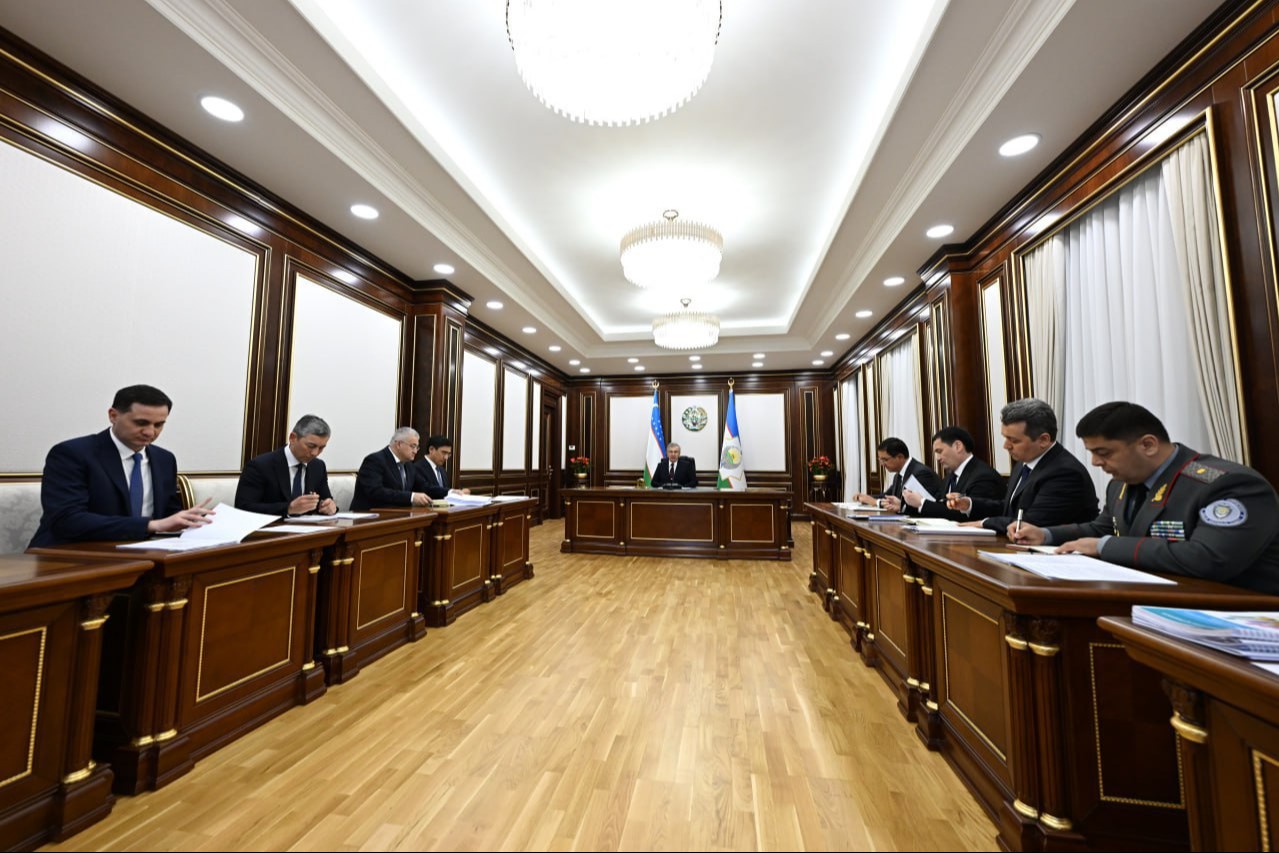
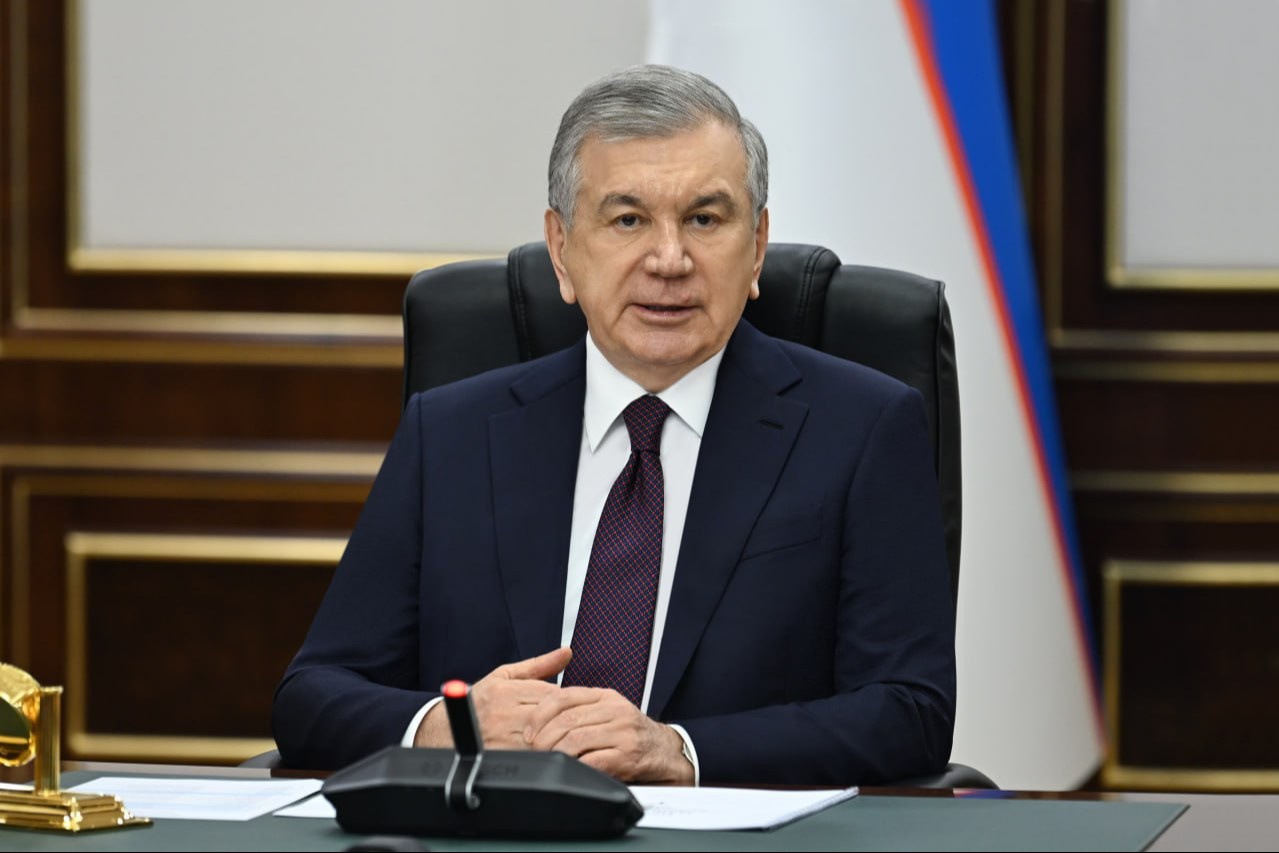
The Head of state approved these proposals and emphasized the need to create even greater conveniences in the customs sector and to provide prompt services for entrepreneurs and tourists. There is also a mandate to bring customs legislation into full compliance with World Trade Organization requirements as part of the accession process.
The importance of enhancing the capacity of the Customs Institute, training qualified personnel in artificial intelligence, digital technologies, and risk analysis, expanding dual education, and improving the organization of practical work in the customs sector was underlined.