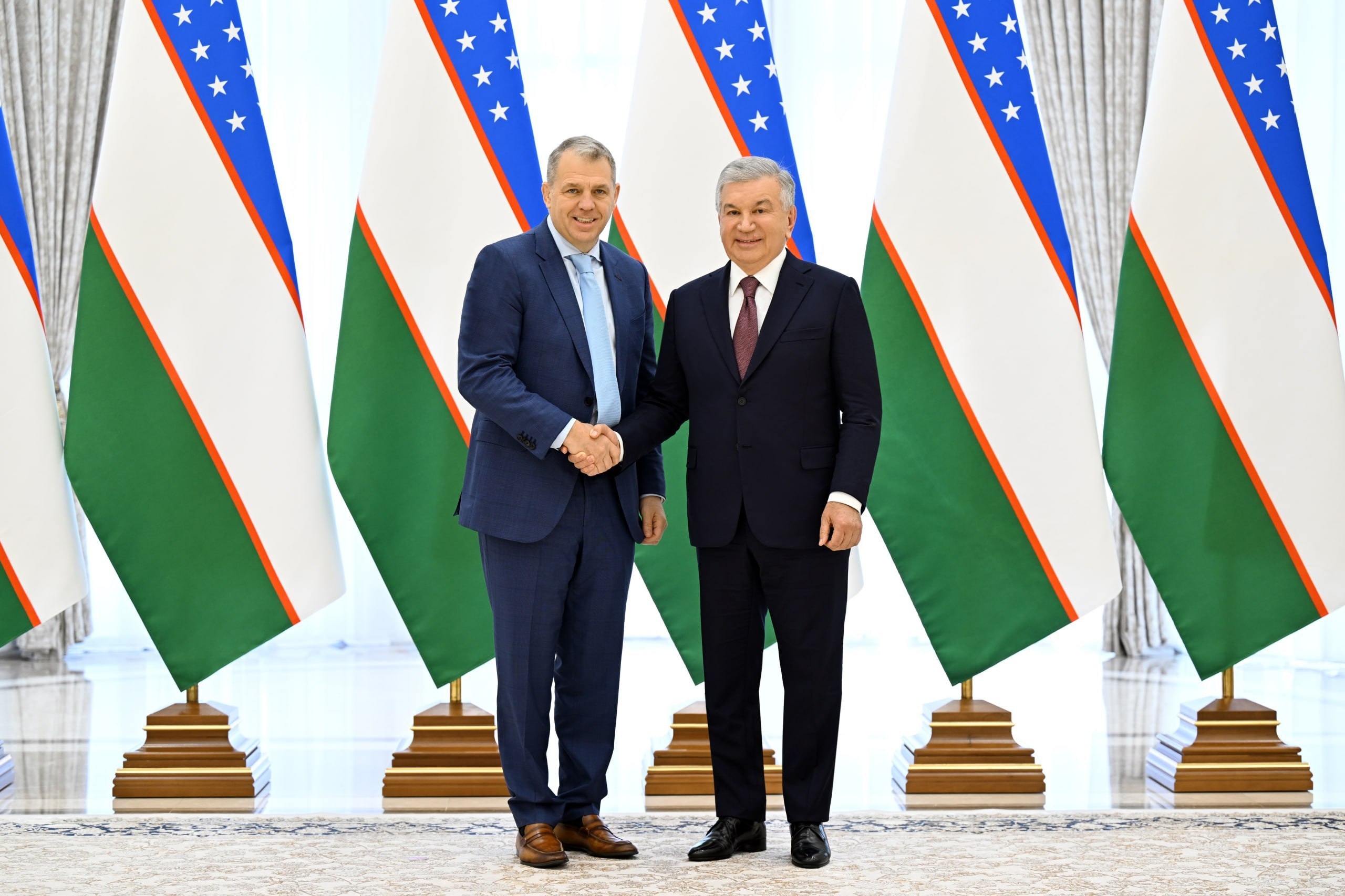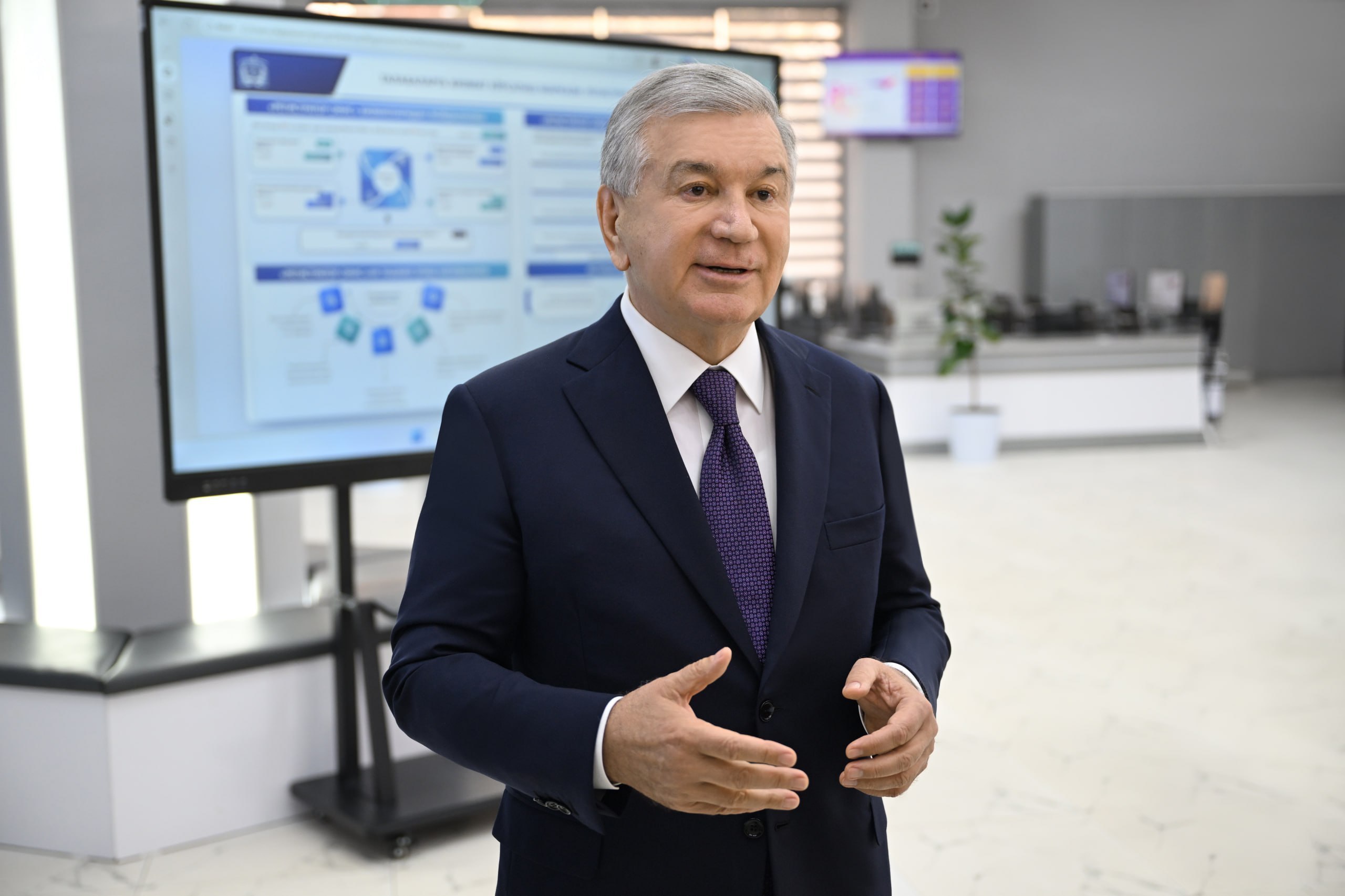

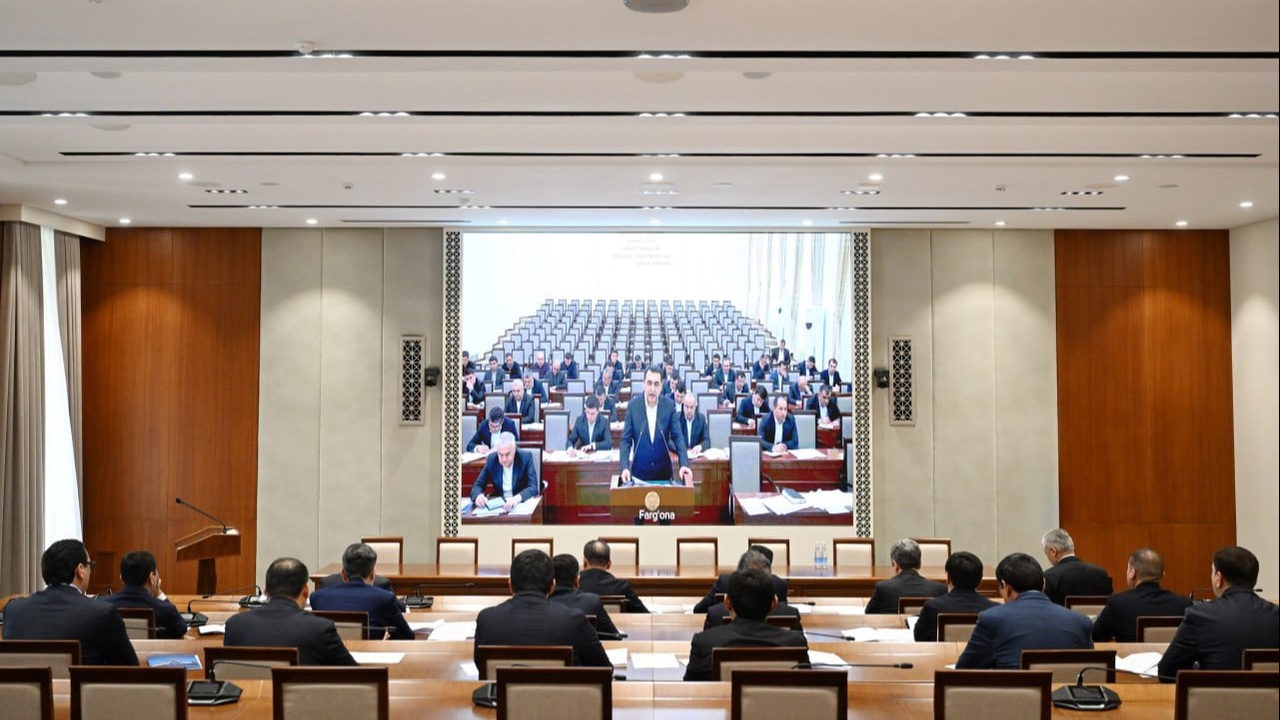
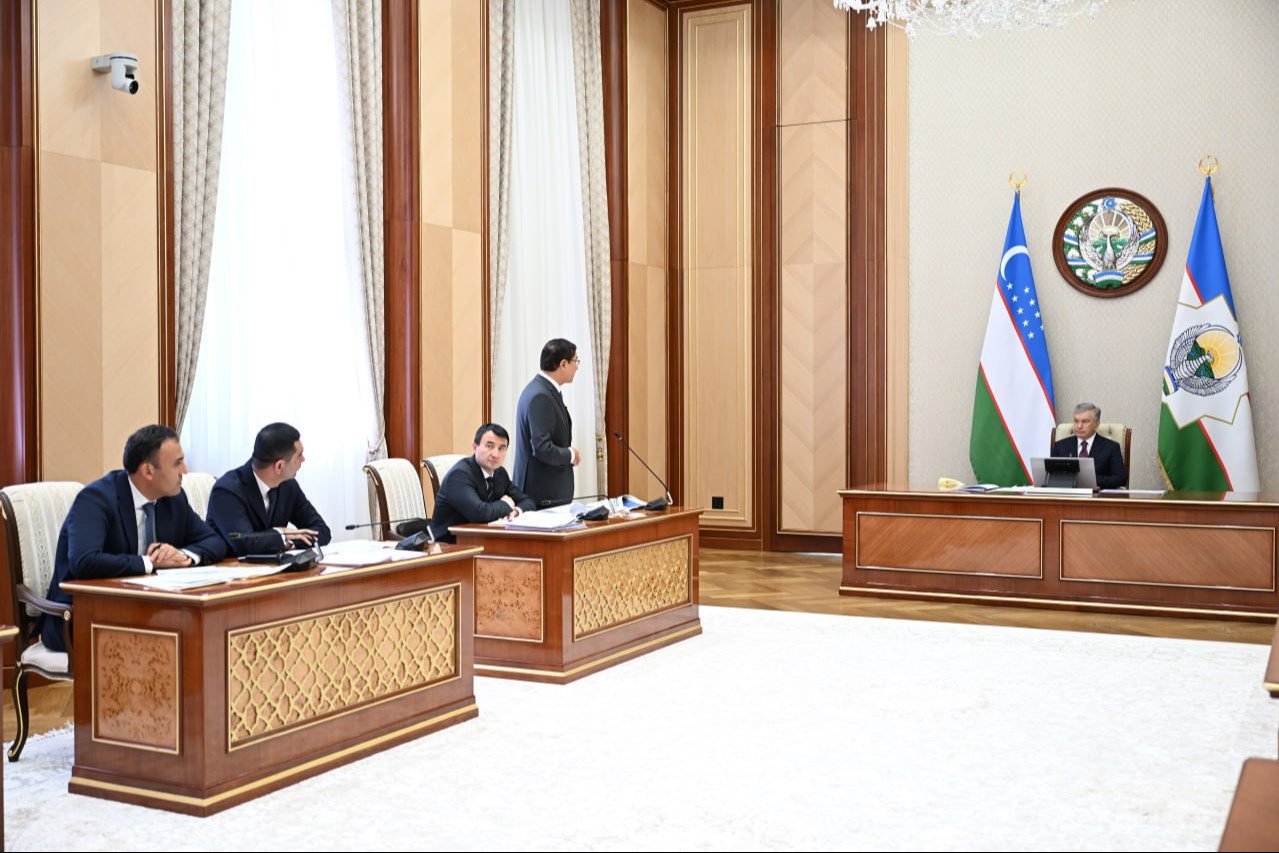
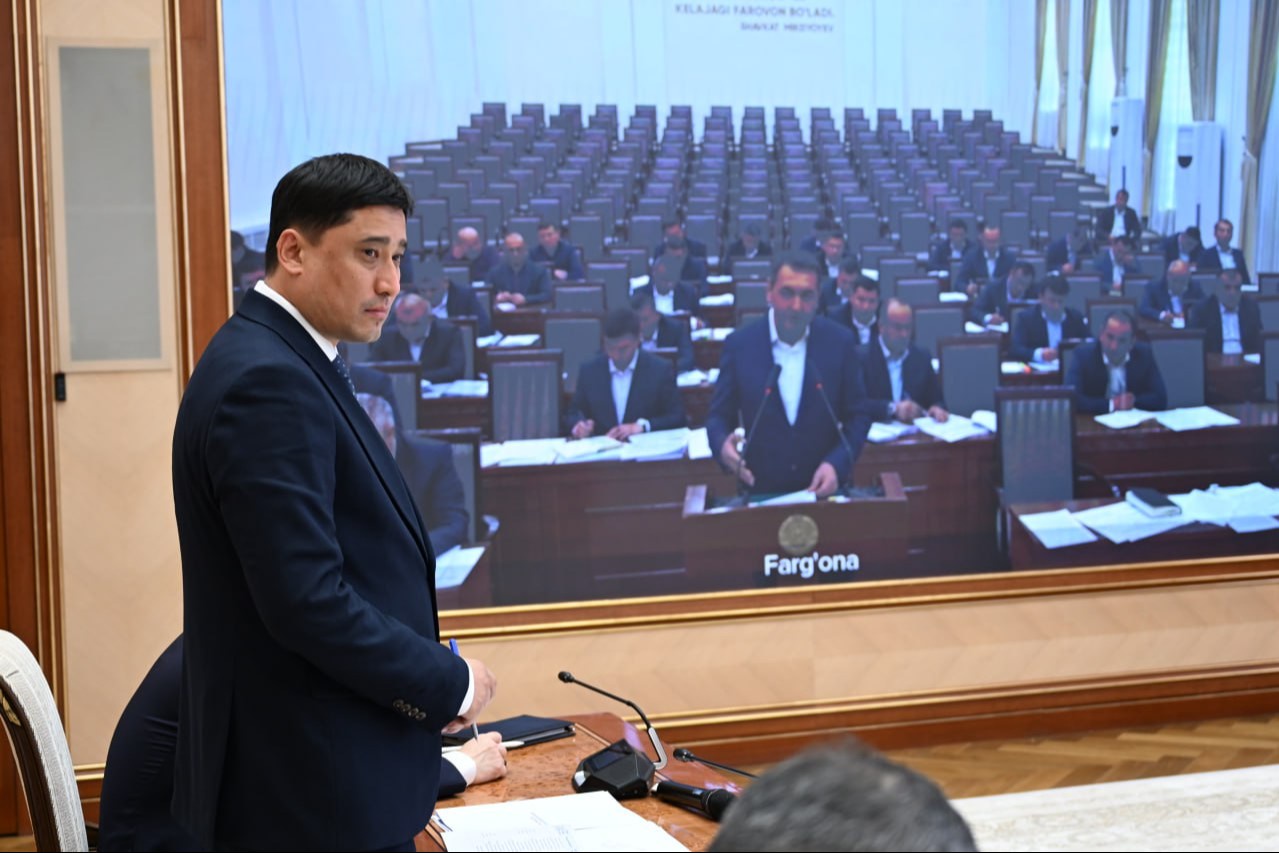
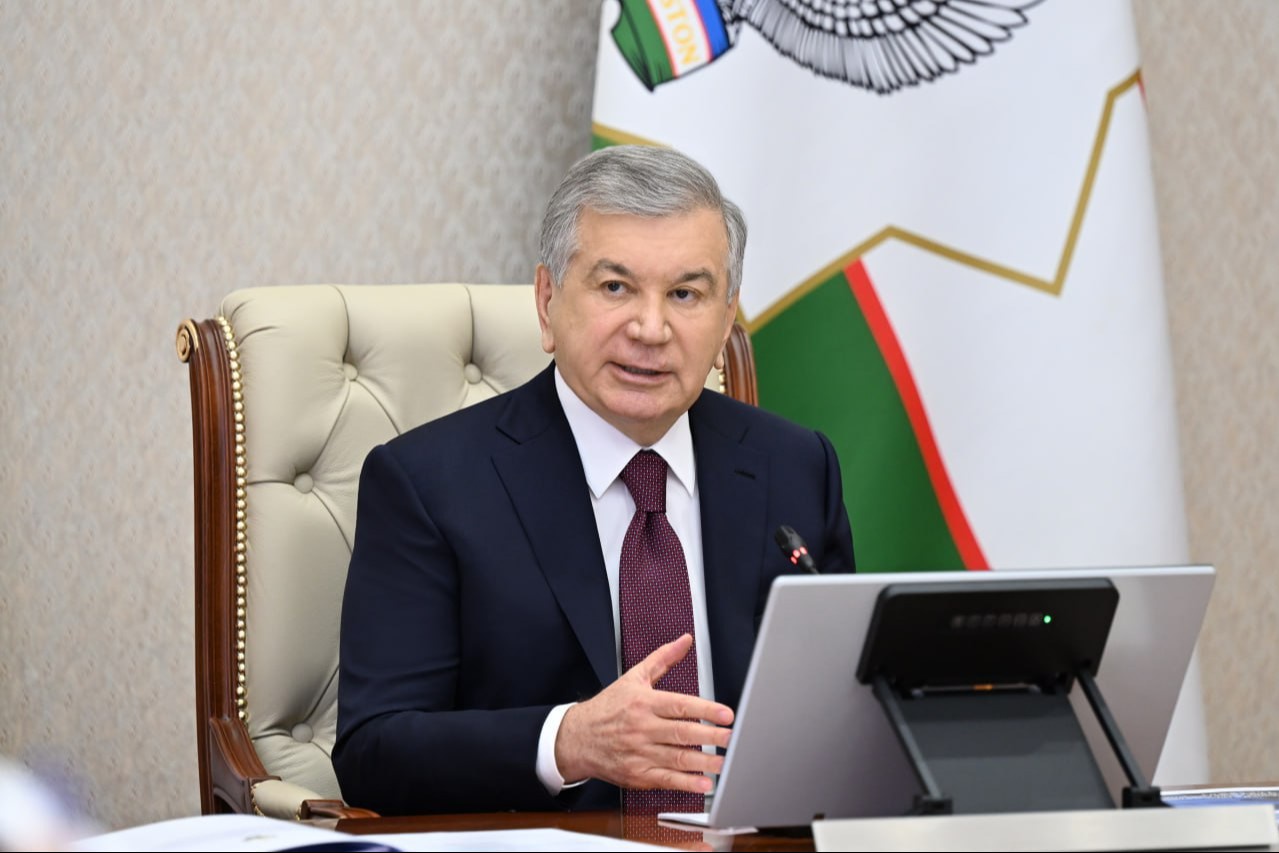
At the beginning of the meeting, the outcomes of the systemic reforms implemented in Fergana region in recent years were analyzed. Despite limited land and mineral resources, the regional economy has continued to diversify, ensuring steady growth across industry, agriculture, services, and information technology.
In particular, gross regional product per capita increased from 7 million UZS in 2017 to 26.6 million UZS by 2025, a 3.8-fold increase. This indicates a significant growth in economic activity and household incomes.
Positive dynamics were also noted in employment and social protection. Last year, 519,000 people gained employment, enabling income growth and lifting 53,000 families out of low-income households. By the end of 2026, it is planned to reduce the unemployment rate to 3 percent and the poverty rate to 2.7 percent.
The region’s investment and foreign trade activities also showed significant growth. The region has implemented 26 large and 357 medium- and small-scale investment projects and has attracted $1.2 billion in foreign investment. Export volumes continue to rise, alongside an increase in the number of exporting enterprises.
Last year, 816,700 tons of grain were produced on 94,300 hectares of agricultural land, with an average yield of 86.6 centners per hectare. In cotton farming, 324,000 tons were harvested from 72,000 hectares. Fruit and vegetable exports reached $403 million. Through household plots and compact greenhouses, thousands of families have gained a stable additional source of income.
The priority tasks for the development of Fergana region were identified at the meeting.
It was noted that a systemic and targeted approach is required to achieve stable growth in investment and export volumes and to reduce unemployment and poverty. To this end, a package of new large projects totaling $8.2 billion has been formed for Fergana region.
This year, it is planned to launch projects totaling $4.2 billion, of which $2.7 billion is for industry, $210 million for agriculture, and $1.2 billion for services and tourism.
At the same time, it was noted that of the 2,115 hectares of land allocated for industrial purposes in recent years, 40 percent have not yet been put up for auction. It was emphasized that before allocating additional land, it is necessary to improve the infrastructure of existing vacant plots and offer them to entrepreneurs to increase the efficiency of investment project placement.
This year, it is planned to create 98,000 permanent jobs, increase the incomes of 423,000 residents, and bring 74 thousand jobs into the official sector of the economy.
The task was set to turn the Buvayda, Uchkuprik, Kuva, Uzbekistan, and Yazyavan districts, as well as the cities of Margilan, Fergana, Kokand, and Kuvasay, into unemployment- and poverty-free areas. More than 800 billion UZS will be allocated to improve infrastructure in 7 districts and 132 mahallas with complex conditions to halve unemployment and poverty. In addition, within the framework of the “Mahalla Loyihasi” program, banks will provide credit resources totaling 1.4 trillion UZS.
In agriculture, the task was set to increase the volume of fruit and vegetable exports to $510 million by establishing their supply not as raw materials, but as finished products with high added value. To this end, with the participation of Chinese investors, agro-logistics centers totaling $175 million will be built in the cities of Fergana and Kuvasay.
In Uzbekistan, Besharyk and Oltiariq districts, it is planned to launch 4 projects with a total value of $21 million in animal husbandry, milk processing, and breeding of pedigree chicks.
The need to develop social infrastructure in proportion to population growth was emphasized. This year, 343 billion UZS have been allocated for the construction and reconstruction of 33 schools. Regional leaders have been instructed to improve infrastructure by utilizing additional opportunities and attracting the private sector.
To expand tourism potential, tourist complexes will be developed in Sokh district, based on the experience of Ugam and Miraki, and a large tourist and recreational zone will be established in Fergana district. In Kokand, new tourist facilities will be created, and routes covering cultural heritage sites will be organized.
In addition, a task has been set in Kokand to establish a convenient and efficient one-stop system for delivering all public services by relocating 17 government institutions to the New Uzbekistan complex.
In the field of information technology, the active development of the IT sector is planned as one of the key drivers of Fergana region’s economy.
Currently, there are 139 IT park residents in the region. This year, the goal is to increase IT services to 3.5 trillion UZS and exports to $30 million. In the city of Fergana, plans include establishing a new IT park and complex and implementing the “Heirs of Muhammad al-Khwarizmi” project. An international IT university will be built in Margilan.
Following the meeting, the Head of State gave specific instructions for implementing each project, in close coordination with efforts to ensure employment for the population, improve living standards, and strengthen personal accountability for fulfilling the assigned tasks.