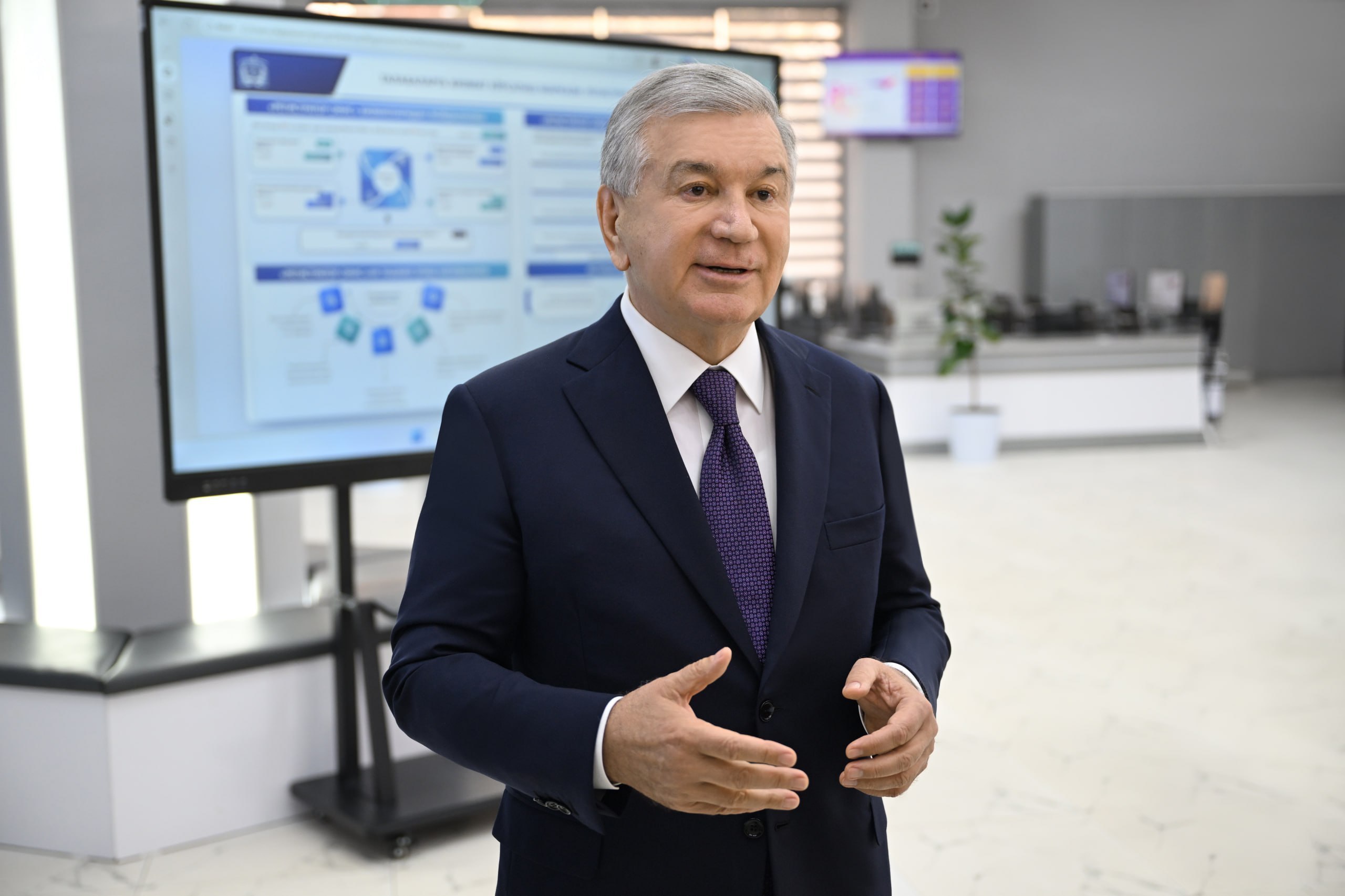

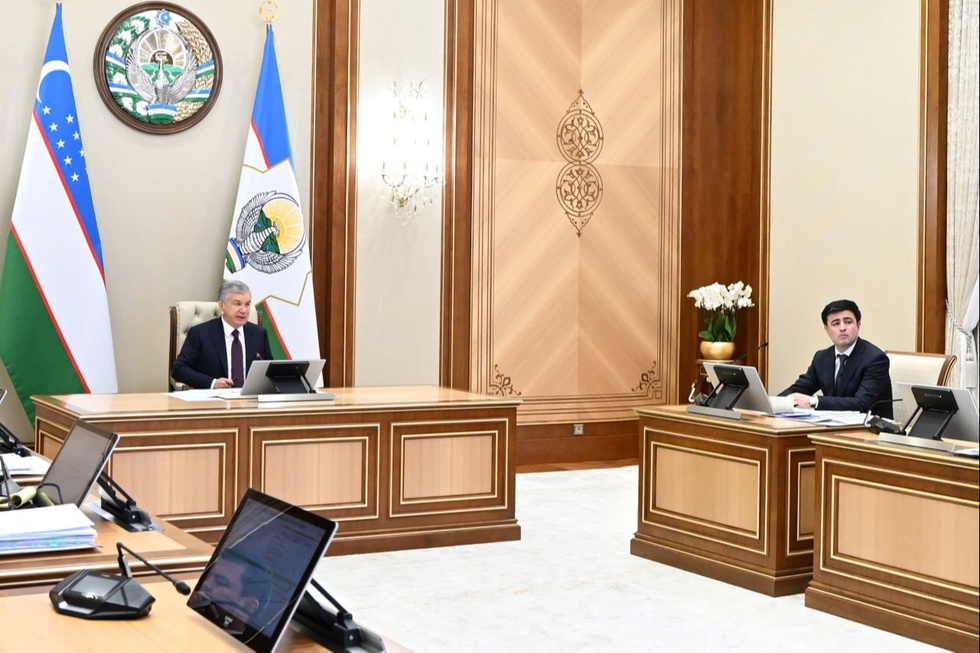
Issues of increasing coal production volumes, strengthening the industry’s competitive environment, and effectively utilizing existing reserves were discussed.
As noted, it is planned to produce 10 million tons of coal in the 2025-2026 autumn-winter season, 1.3 million tons more than in the previous season. To date, 9 million tons of coal have been produced, representing an increase of 590 thousand tons. It was emphasized that production volumes must increase to 11 million tons in the next season.
To achieve this, it is essential to accelerate deposit development in Tashkent and the southern regions, expand selective mining, and attract additional excavators and equipment through outsourcing. By expanding private-sector participation, it is planned to produce a further 2.5 million tons of coal in 2026.
Particular attention was paid to the project to develop the “Nishbosh” coal deposit in Angren. Under the investment project, valued at almost $500 million and with reserves of 233 million tons, production is planned to start in 2026, with 1 million tons of coal. In the long term, the deposit’s annual production capacity is intended to increase to 10 million tons. The project will create 880 permanent jobs.
The presentation also reviewed a project to produce new industrial products through the deep processing of coal. At the initiative of the joint-stock company Uzkimyosanoat, plans are underway to establish a polymer production based on the chemical processing of coal. The $5 billion project will create capacity to process 8-9 million tons of coal and produce 1.18 million tons of polymer products annually.
Last year, the country’s uranium production amounted to 7 thousand tons, while identified reserves reached 139 thousand tons.
This year, development is planned to begin at the “Arnasay”, “Western Kizilkok”, “Southern Jongeldi”, and “Eastern Agron” deposits. In connection with the expected increase in production volumes, the need to increase processing capacities was noted.
Measures were identified for the stable supply of sulfuric acid and the technical sulfur required for its production to uranium processing facilities.
The President instructed the responsible officials to ensure the timely and high-quality implementation of planned projects in the coal and uranium industries, to increase production volumes, and to enhance economic efficiency.