
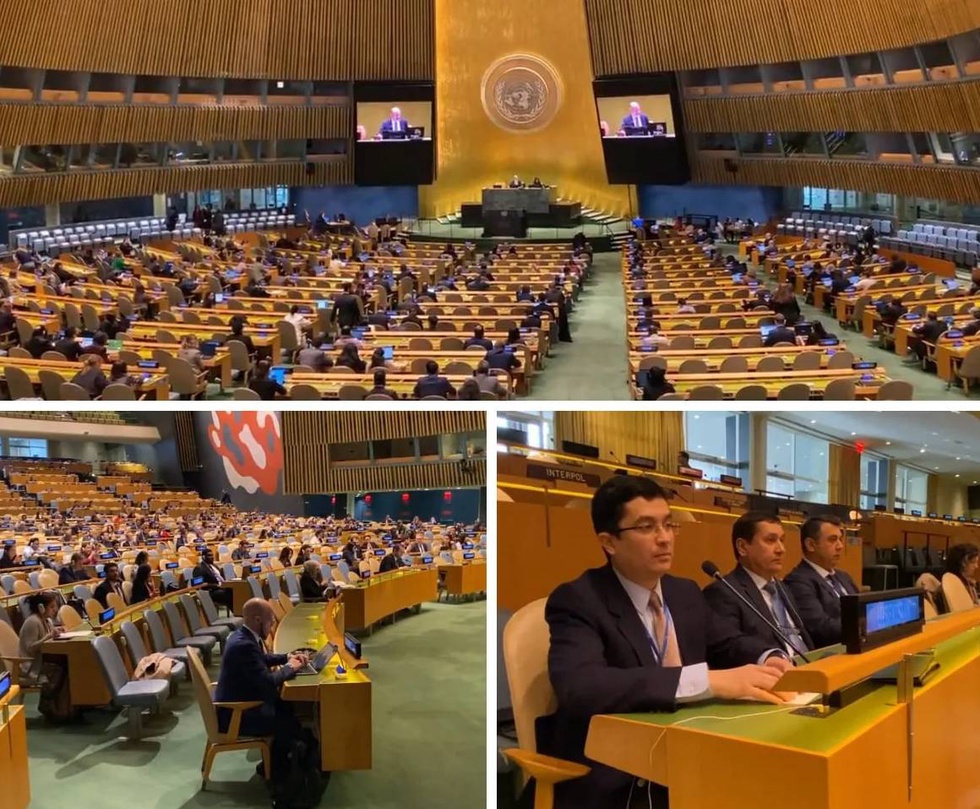
The resolution was promoted jointly with the Republic of the Congo, which has the second largest rainforest in the world after the Amazon.
The document is based on the programs of the Year of Environmental Protection and the "green" economy put forward by President Shavkat Mirziyoyev, the national project "Yashil Makon" and the "Green Belt of Central Asia" tree planting campaign.
The text was developed taking into account the resolution on sustainable forest management on degraded and arid lands adopted in August 2024 at the initiative of Uzbekistan, as well as important decisions of environmental conventions and the United Nations Forum on Forests (UNFF).
The resolution resolves to declare 2027-2036 the Decade of Afforestation and Reforestation Worldwide. A call has been made to mobilize efforts and resources to promote afforestation. It is recommended that all States, international and regional organizations, the private sector and the scientific community take measures for the proper implementation of the Decade of Action.
The document was supported by the delegations of 155 states. More than 80 countries representing all regions of the world have become co-authors.
The countries welcomed Uzbekistan's initiative, given its timeliness and relevance in solving environmental problems.
According to experts, the resolution makes a huge contribution to the efforts of the United Nations in finding environmentally sound solutions to many global challenges, including climate change, loss of biodiversity, poverty, water scarcity and drought.
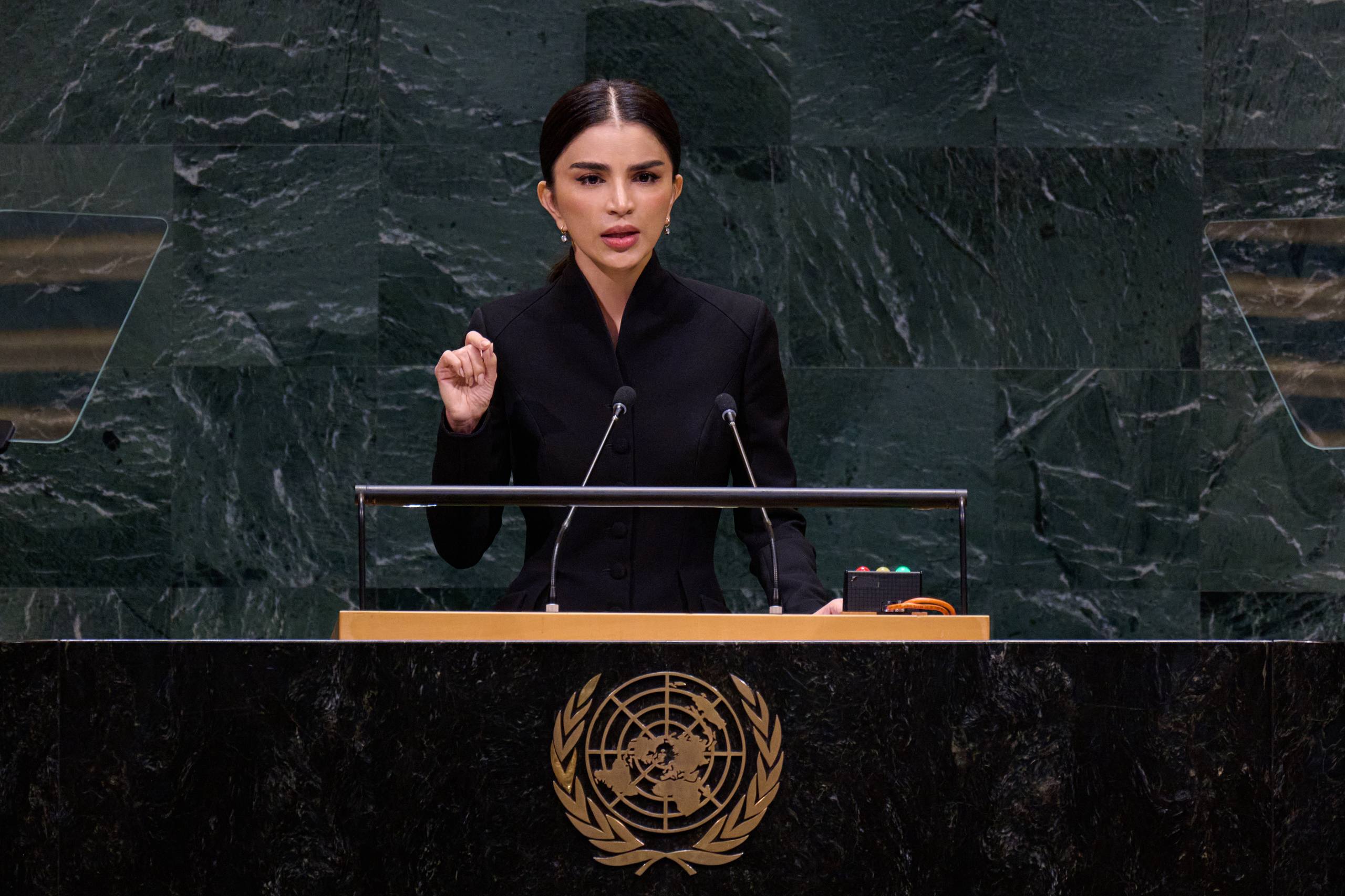
During the presentation of the document at the General Assembly, a representative of Poland made an official statement in support of it on behalf of 27 European countries and 6 EU candidate states.:
"We sincerely thank Uzbekistan and Congo for their efforts to strengthen global actions aimed at preserving and restoring forests. We recognize that sustainable forest management is a dynamic and evolving concept that helps balance the ecological, economic and social functions of forests, thereby contributing to all three dimensions of sustainable development.
In this regard, we reaffirm our unwavering commitment to ensure that the health, viability and sustainability of forests and other ecosystems remain a global priority, while also recognizing their crucial role in achieving a sustainable future for all."
The Peruvian diplomat said that his country is ready to maintain a constructive spirit in environmental issues. Gratitude was expressed to Uzbekistan and Congo for ensuring an open and productive negotiation process in agreeing on the text of the resolution. "We reaffirm in a broad sense our commitment to sustainable forest management," he added.
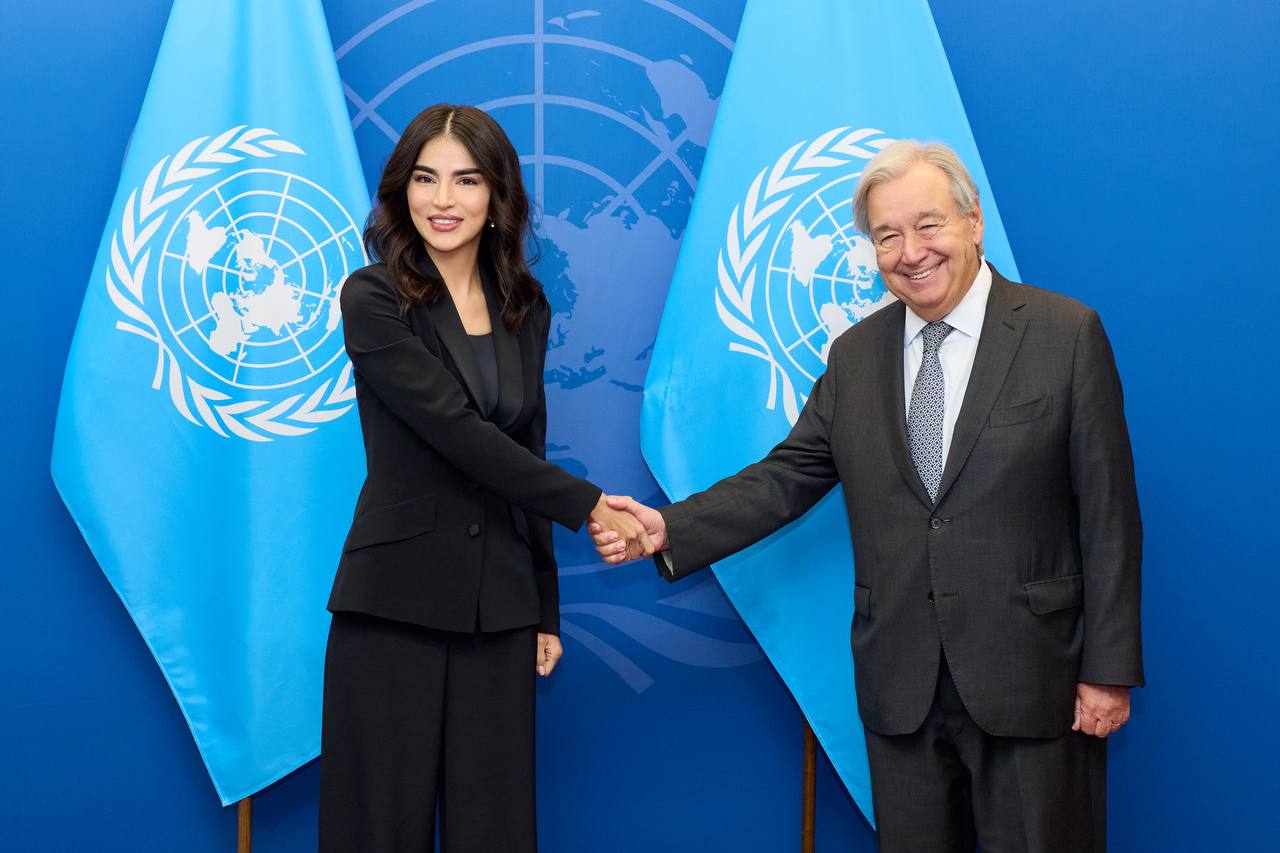
The President of the UN General Assembly, Felemon Yang, stated on his social media account that the joint resolution of Uzbekistan and Congo on afforestation and reforestation is a vivid example of interregional cooperation on a global priority. "Restoring degraded lands means investing in peace, stability and well-being - from Central Asia to Africa and beyond," he concluded.
The Permanent Mission of Germany to the United Nations posted the following message on its official Facebook page:
"Germany is committed to protecting forests and their ecosystems in countering biodiversity loss and climate change. We are grateful to Uzbekistan and Congo for their leadership in putting forward this important initiative to combat forest loss worldwide."
It is important to emphasize that the announcement of the Decade of Action represents a global roadmap that sets a high political tone for the development of forest planting.
The adoption of the resolution will make it possible to firmly consolidate Uzbekistan's leading role in the issues of landscaping and afforestation on the UN agenda.
As the initiator of the resolution, our country can act as a coordinating State on international platforms in promoting the goals of the document. In fact, this will become Tashkent's calling card in the discussion of the global environmental agenda.