
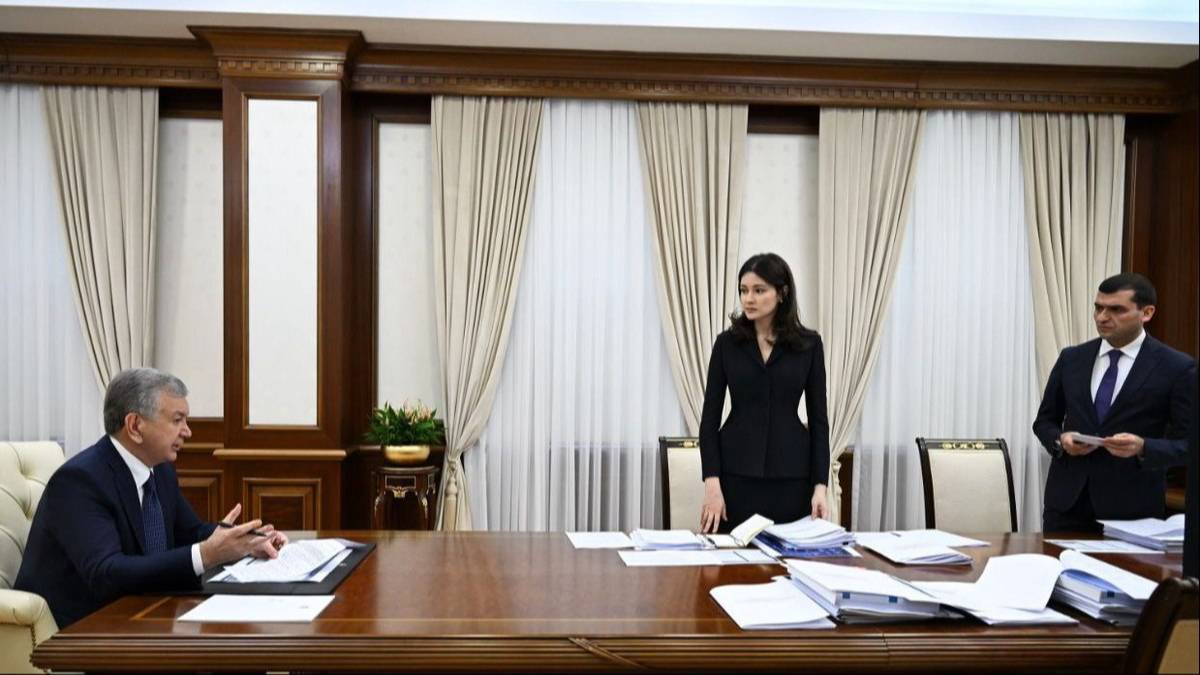
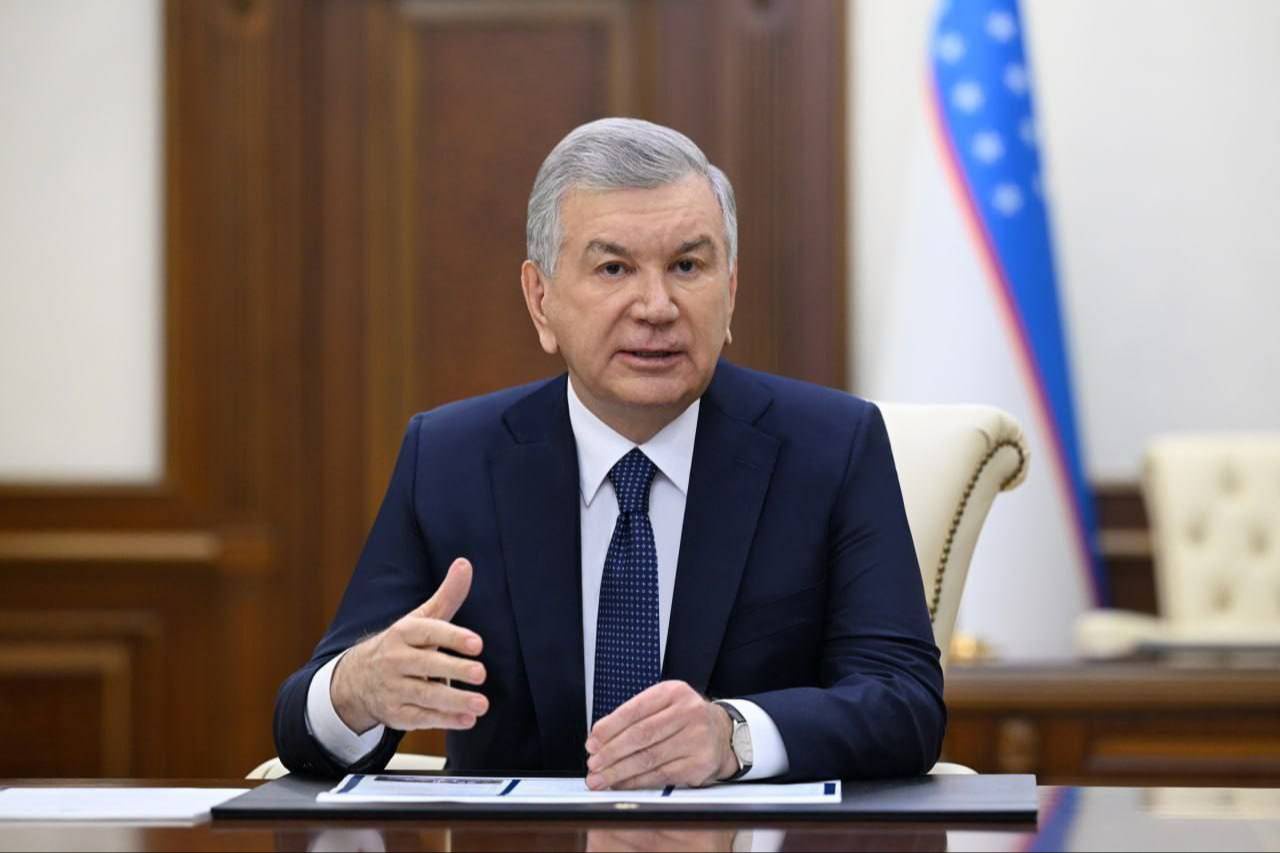
Today, special attention is being given to the introduction of a new model of primary healthcare delivery, based on international experience and designed to bring medical services closer to the population. On this basis, multidisciplinary central polyclinics, family doctor centers, and family polyclinics, as well as mahalla medical points, are being developed under a unified approach.
As a result, the share of family doctors in the healthcare system is planned to be increased to 70 percent. Through digitalization and the reduction of paperwork, the workload of medical staff is expected to decrease by almost one-third, while citizen satisfaction with primary healthcare services is projected to exceed 85 percent. At the same time, a new system of financial incentives for medical personnel is being introduced, which will directly depend on their professional performance.
The President emphasized the importance of fundamentally improving specialized medical care. The country has dozens of scientific and practical medical centers, which are being equipped with modern technology and receive significant budgetary funding.
At the same time, the population continues to voice complaints about the quality of services and long waiting times. It was noted that specialized centers are slow in introducing international treatment standards and weak in their methodological work at the primary healthcare level.
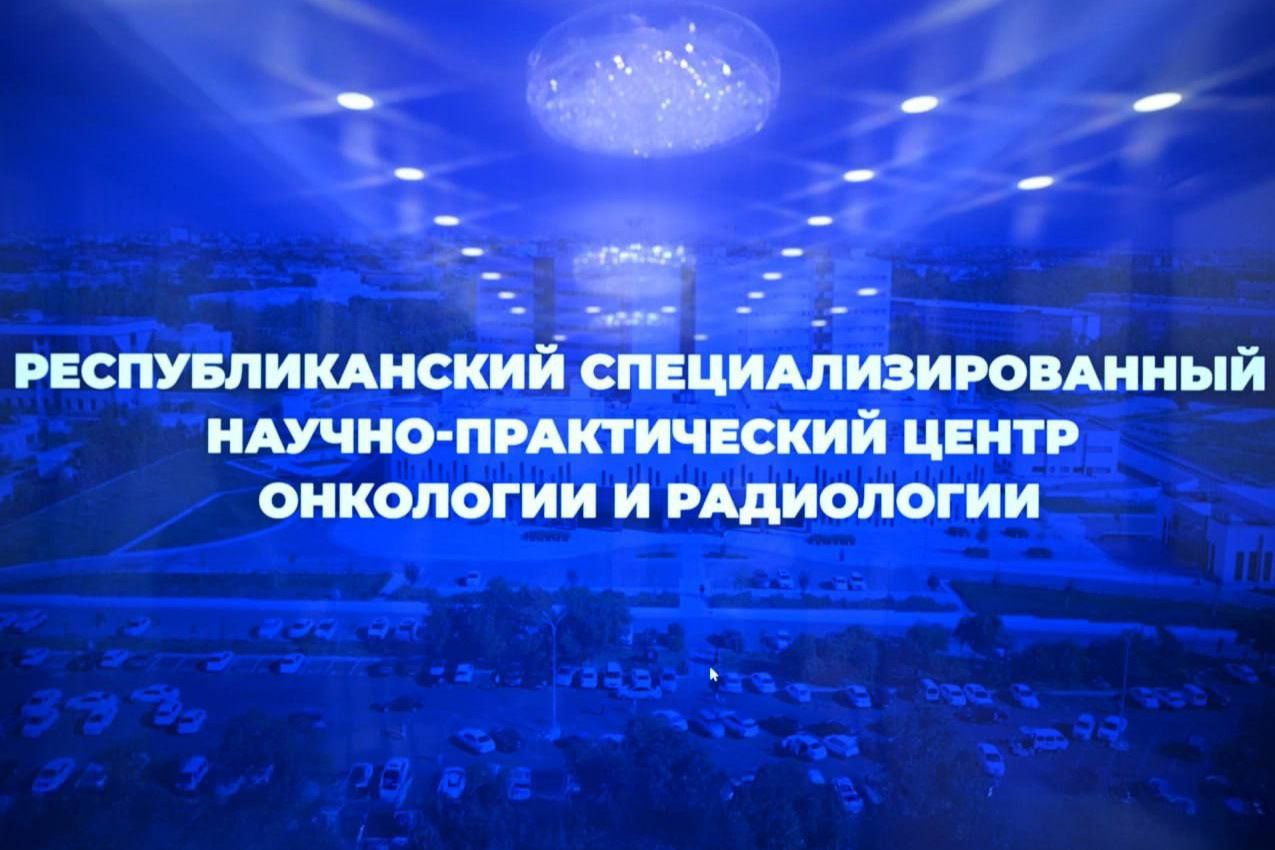
In this regard, it was proposed to review the activities of all national specialized clinics and to involve modern professional managers in their administration. A successful example is the Republican Center of Oncology and Radiology, where Turkish specialists are already working.
At the same time, the review and renewal of clinical protocols is ongoing: 400 have been revised so far, and this figure is expected to double by the end of the year. With the support of the Asian Development Bank, a methodology for tariffs on more than three thousand medical services is being developed.
The Head of State instructed the exploration of the possibility of involving foreign professional managers in five more centers or transferring them to the management of reputable international clinics. It was emphasized that the expected outcomes should include the development of diagnostic and treatment standards based on global experience, the creation of national clinical protocols, the introduction of new technologies, the elaboration of long-term development strategies for the centers, the involvement of highly qualified specialists, as well as the establishment of a transparent and fair system of delivering quality medical services to the population.
The meeting also discussed measures for protecting children’s health.
It was noted that breastfeeding remains a pressing issue worldwide, with the use of breast milk substitutes steadily increasing.
To achieve by 2030 the World Health Organization’s recommended target of 70 percent exclusive breastfeeding for infants up to six months of age, a national program to support breastfeeding will be approved in Uzbekistan.
Within the framework of the program, the WHO and UNICEF initiatives Baby-Friendly Hospital and Ten Steps to Successful Breastfeeding will be introduced. Training for healthcare workers on breastfeeding issues will be organized, along with awareness-raising activities for pregnant and nursing mothers.
It was proposed to introduce legislative amendments restricting the advertising of breast milk substitutes, as well as to improve requirements and standards related to the production, import, export, transportation, storage, sale, and delivery of baby food products.
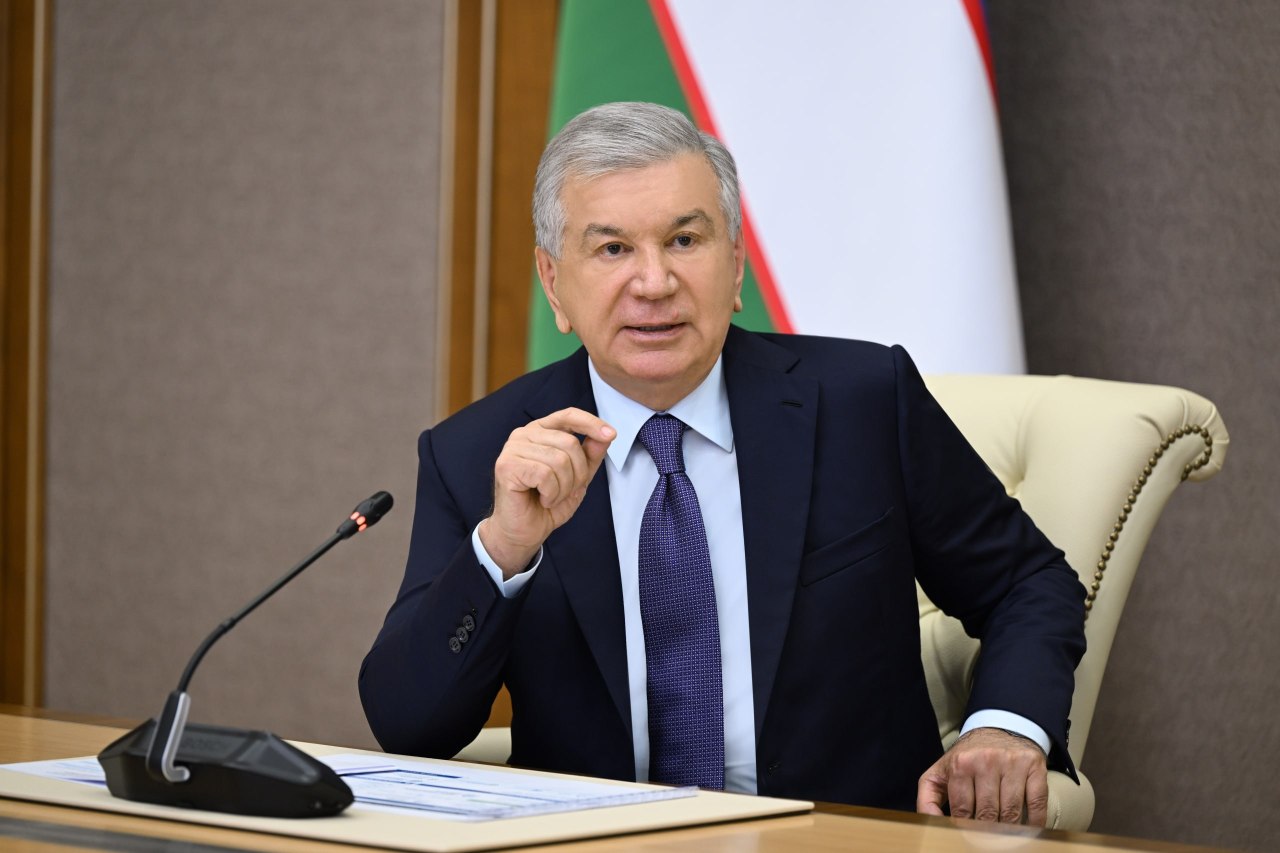
Approving the submitted proposals, the President issued several instructions aimed at bringing healthcare closer to the people, improving its quality and accessibility, reducing mortality from non-communicable diseases, and enhancing the health of the younger generation.