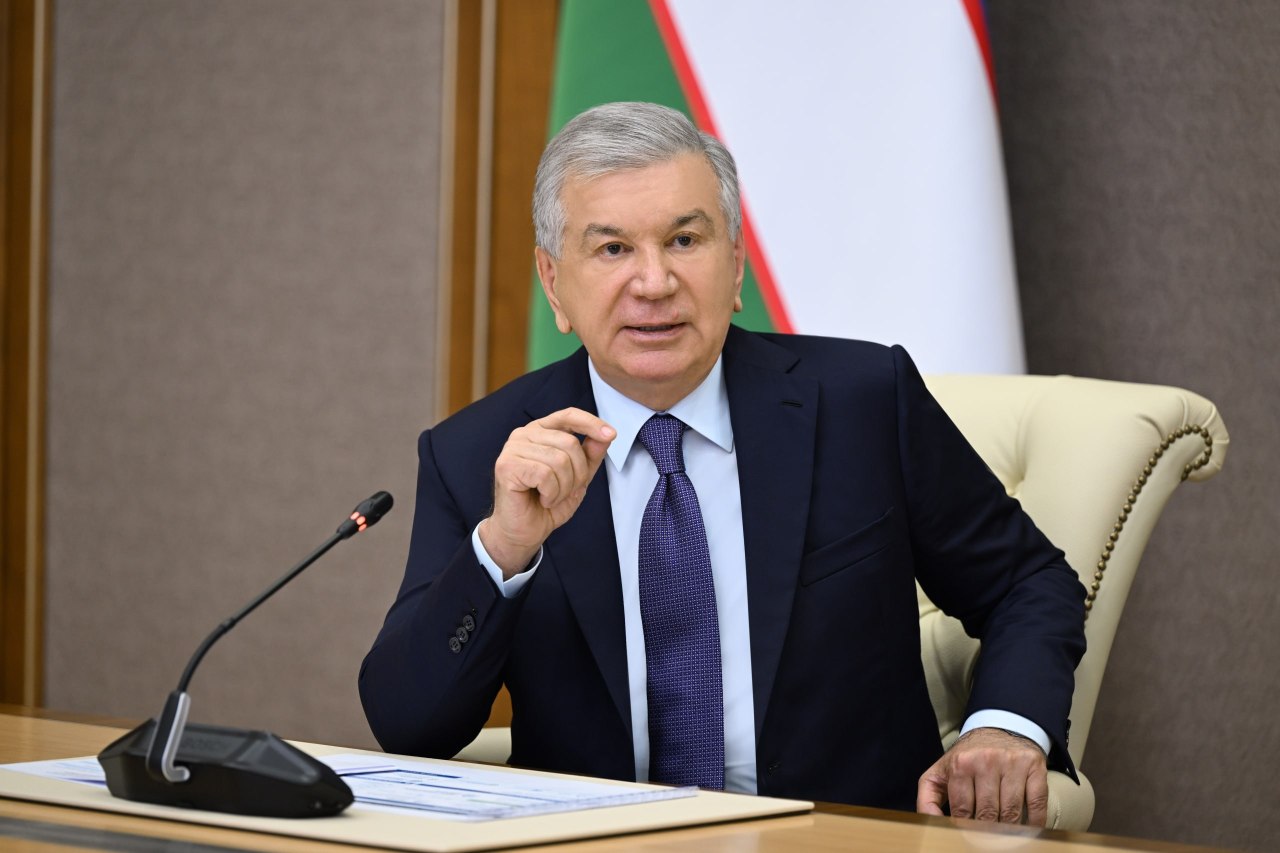

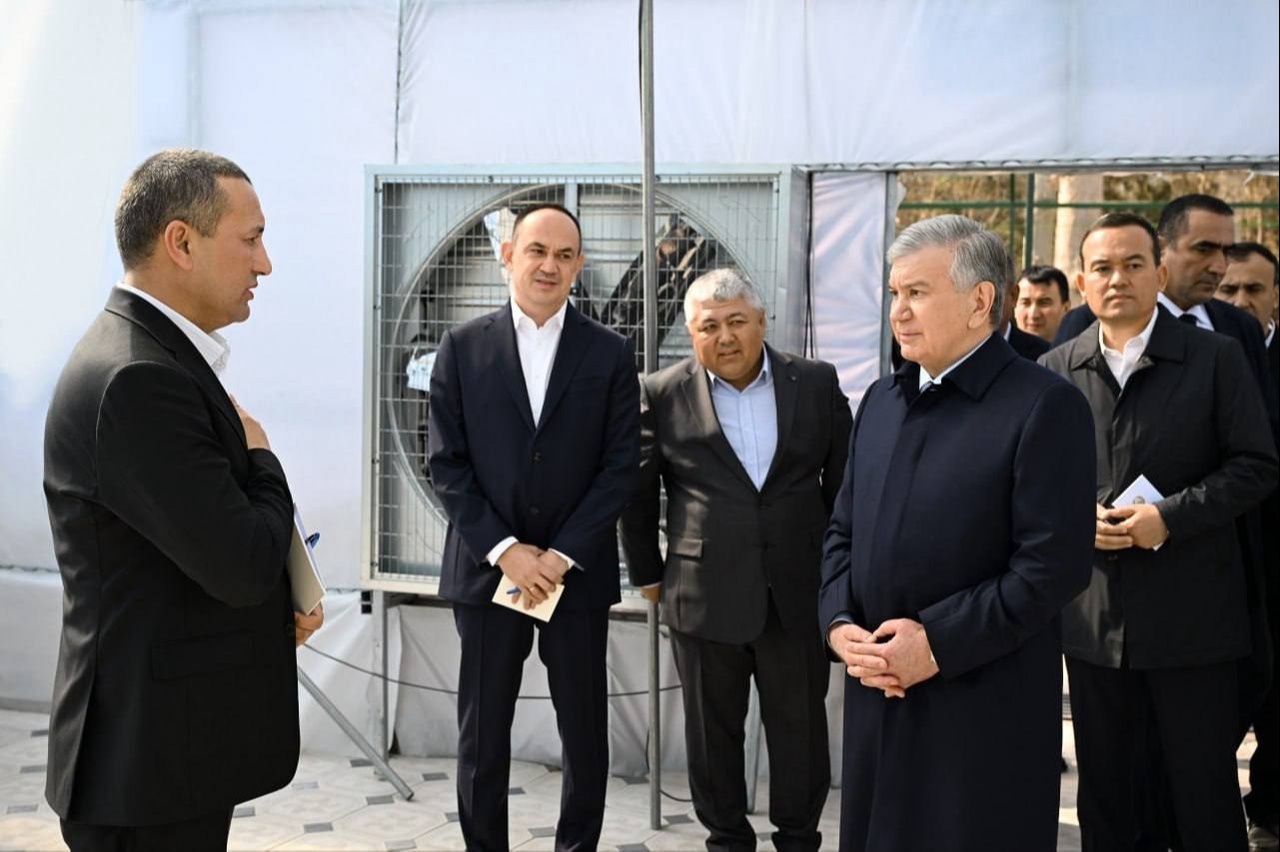
The Head of State first reviewed a presentation of localized machinery and equipment for the water management sector.
It was noted that domestic production of water-saving technologies and modern irrigation systems will reduce costs, ensure the rational use of water resources under climate change conditions, and promptly meet the needs of farmers and the population.
The President emphasized the need to pay even greater attention to this area and to strengthen scientific cooperation.
The School of Household Farming specializes in training the population in the effective use of their household plots, the introduction of high-yield crops, and modern methods of processing, storage, and packaging of produce. The institution operates with financial support from banks.
Most importantly, assistance is provided here in creating a stable source of income for unemployed and low-income families. Through a practical approach, participants are taught the scientific foundations of agriculture, technologies for cultivating high-yield crops, and modern methods of household farming.
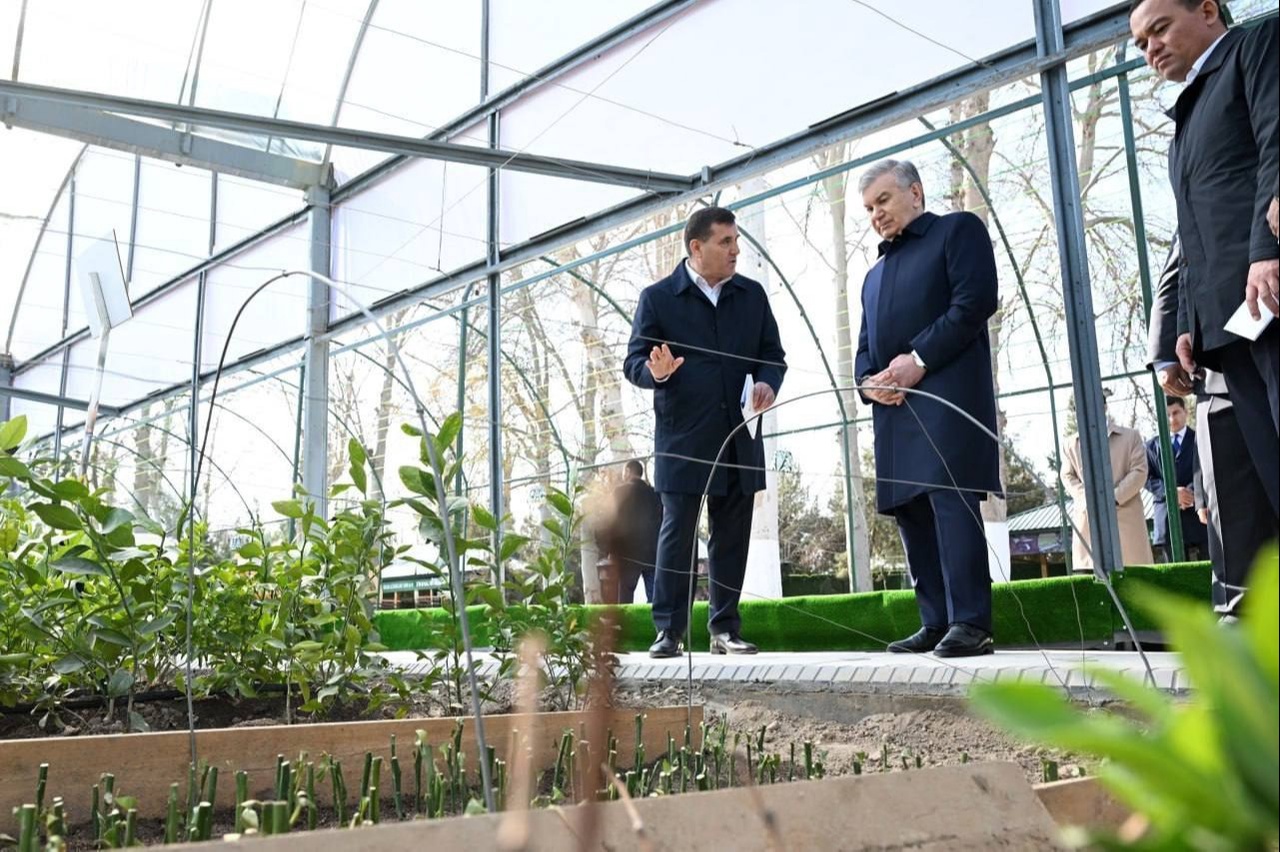
The innovative school covers Termez, Muzrabot, Qiziriq, Bandikhon, Angor, and Jarkurgan districts. It includes a training building, a greenhouse, and a training and experimental field, each covering three hectares.
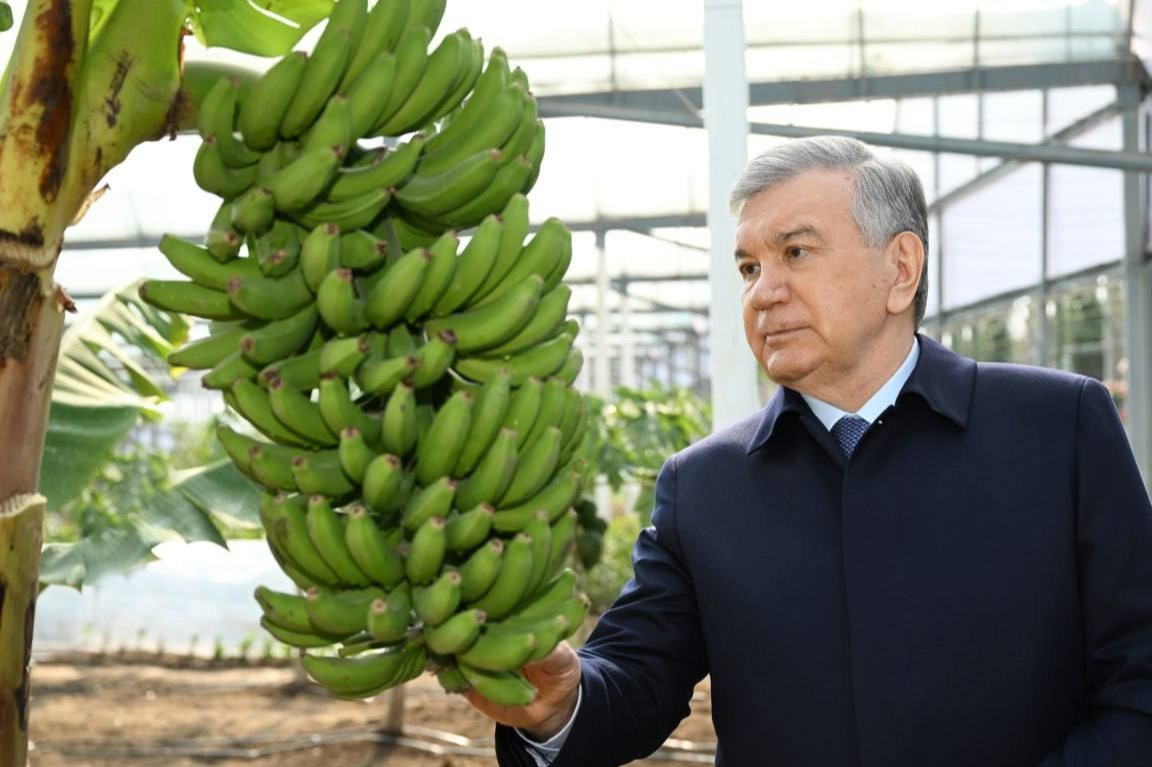
Bananas, papaya, rosemary, lavender, lemons, figs, broccoli, bell peppers, and other crops adapted to the conditions of Surkhandarya region are grown in the greenhouse. In addition, the cultivation of tree and flower seedlings has been established, and a drip irrigation system has been introduced.
The practice of harvesting three crops per year in Surkhandarya region is taught in school. Scientists, specialists, and experienced dehkans are involved in the educational process.
To date, about 1,300 unemployed people and members of low-income families have completed special courses and become self-employed, effectively using their own household or leased plots. Hokim assistants refer 220 owners of household and leased land for training each month – up to 2,700 people per year. For participants, training expenses are covered under a referral or voucher system.
As part of the course, participants are shown in practice methods for cultivating high-yield crops and earning an average income of 10-15 million UZS from 100 square meters of land. Agrostar’s companies provide participants with seeds and seedlings and also organize the purchase of harvested produce.
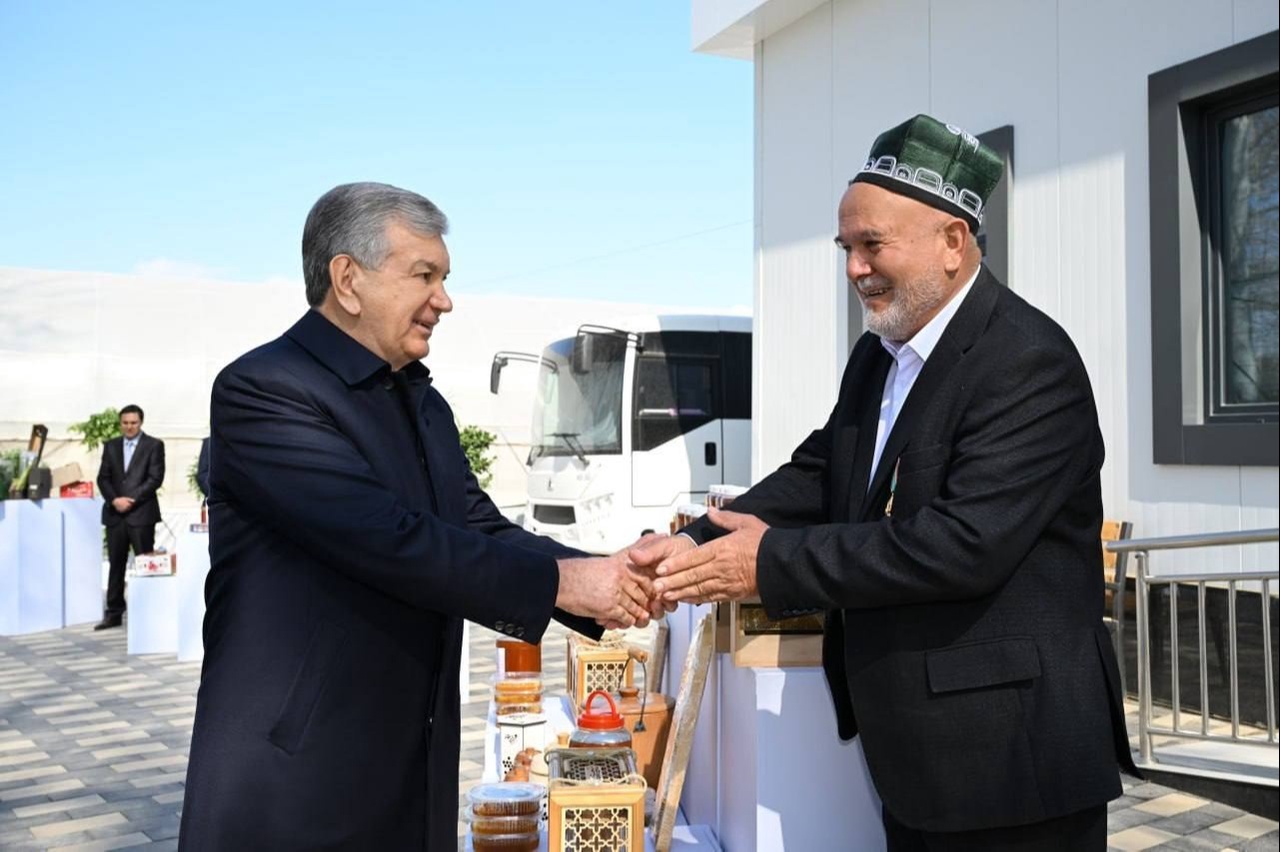
The Head of State became familiar at the school with the practice of harvesting three crops per year from household plots, a presentation of industrialized orchards and water-saving technologies, and also held a dialogue with entrepreneurs engaged in the processing and export of vegetables and fruits, drawing their attention to the importance of expanding processing and creating added value, as well as introducing new crops for the regions, including citrus and tropical fruits.