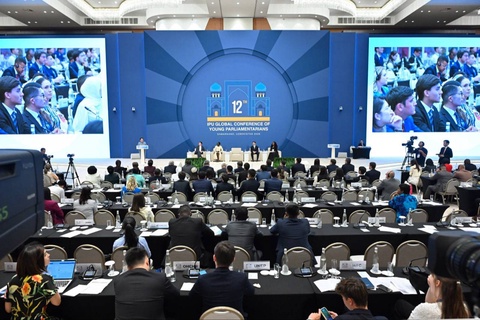

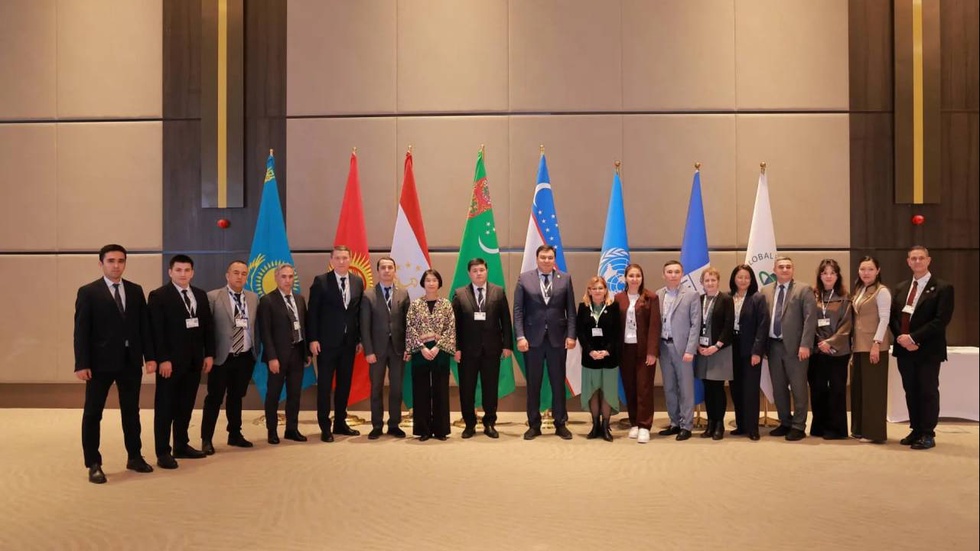
The event was attended by the heads of the environmental departments of Kazakhstan, the Kyrgyz Republic and Uzbekistan, representatives of the UNDP leadership and international partners. It was noted that the role of Central Asia in the conservation of biodiversity and sustainable development in the face of climate change, in accordance with global commitments, is rapidly increasing.
"Our meeting today is taking place at a truly critical moment, when the Central Asian region is facing the growing challenges of a triple global crisis, and it is now extremely important to strengthen partnership and develop joint approaches. It is important to remember that environmental challenges do not recognize national borders. UN agencies continue to play an important role in strengthening regional environmental cooperation in Central Asia, implementing a number of initiatives aimed at strengthening environmental sustainability," said Aziz Abdukhakimov, Adviser to the President of the Republic of Uzbekistan on Environmental Issues, Chairman of the National Committee on Ecology and Climate Change.
It was confirmed at the meeting that the protection of the snow leopard, saiga, kulan and the Central Asian leopard as key mountain species is important, as they are important indicators of the state of ecosystems in Central Asian landscapes. During the discussions, the need to turn international agreements within the framework of CITES and other multilateral environmental conventions into real actions for nature conservation was emphasized.
"Central Asia demonstrates that regional cooperation can transform international commitments into real action on the ground," said Akiko Fujii, UNDP Resident Representative in Uzbekistan. "Protecting snow leopards and sustainable mountain ecosystems is not just an environmental priority, it is a key factor in the well-being of local communities and the sustainable development of the region."
The meeting created opportunities to develop a unified regional voice, strengthen coordination with other multilateral environmental agreements, and accelerate the transition from policy statements to practical measures to ensure legitimate, sustainable, and transparent wildlife trade.
Among other areas, it was noted that the regional approach to the use of GEF funds is aimed at strengthening landscape connectivity and restoring ecosystems in mountainous, steppe and desert regions of Central Asia; conservation of key species; integration of environmental solutions into climate and land planning; creation of favorable infrastructure for wildlife in order to reduce conflicts between humans and animals; development of innovative financing mechanisms, including positive biodiversity accounting systems, trust funds, and regional development programs; creation of cross-border ecological corridors; joint wildlife monitoring and knowledge sharing to strengthen regional cooperation.