
It was noted that since July 1, 2025, the introduction of state medical insurance mechanisms has begun in the Navoi region.
According to the data, contracts for the purchase of medical services worth 1.4 trillion soums were signed with 61 state medical institutions in 2025. Under these agreements, primary health care facilities were funded based on the "soul of the population" (depending on the number and composition of the attached population), and hospitals were funded according to the payment system for "each treated case" (depending on the amount of work performed).
Based on the reimbursement program, 4.2 billion soums were paid to pharmacies in the reporting period to cover the cost of 28 types of medicines provided free of charge to 142 thousand patients.
95 percent of the population are assigned to family polyclinics through the DMED information system, and the establishment of contractual relations between the family polyclinic and the citizen has begun.
In order to receive free medical services included in the guaranteed package, the population needs to consult a family doctor. A system has been established for issuing referrals to highly specialized specialists, and, if necessary, for hospitalization in hospitals in accordance with treatment and diagnostic standards.
The number of beds in day hospitals increased by 14 percent, and the number of patients undergoing treatment in them increased by 30 percent.
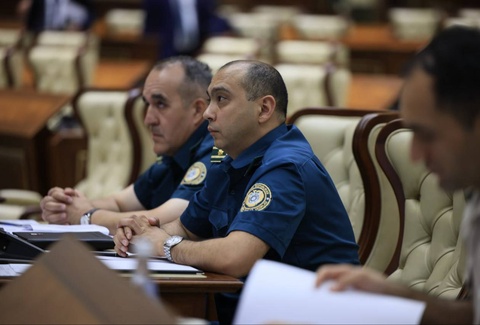
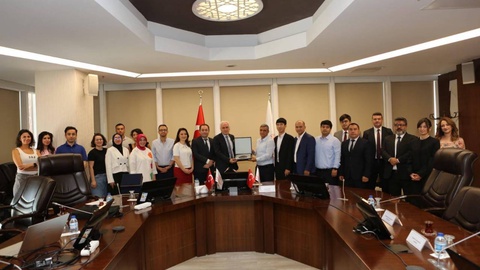
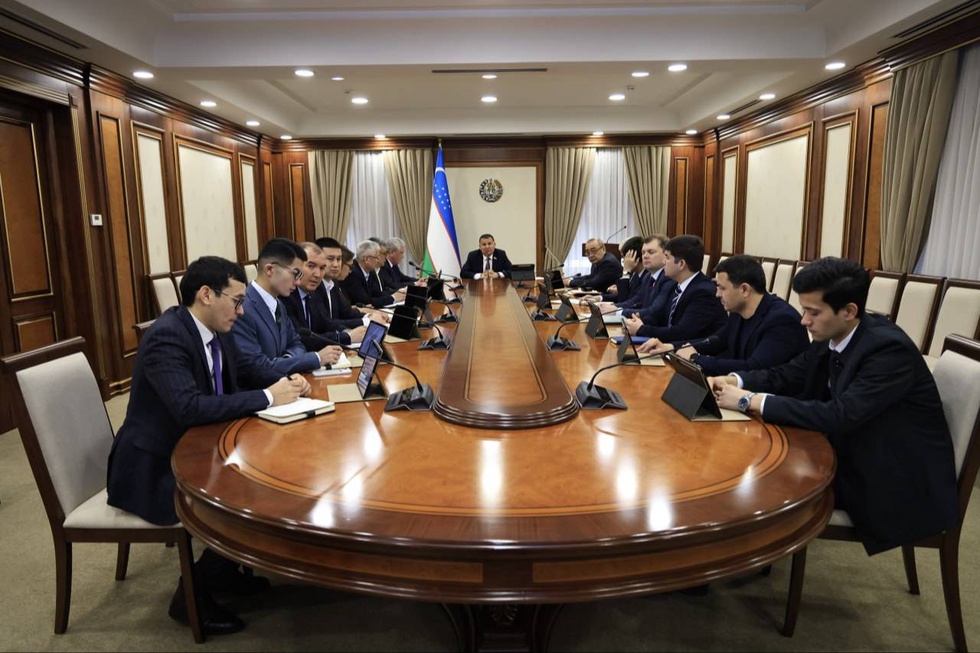
At the meeting of the Committee, the senators noted that the Navoi region provided free access to medical services included in the guaranteed package, organized medical examinations, and, if necessary, electronic referrals to hospitals and examinations by specialized specialists based on the referral.
At the same time, as the senators noted, the population is not sufficiently aware of the free delivery of medicines by pharmacies to patients within the framework of a guaranteed package based on an electronic prescription, and the procedure for using a guaranteed package of medical services. As a result, patients continue to apply to inpatient facilities without an appropriate referral.
It was also noted that in primary health care institutions, due to insufficient explanatory and informational work of members of medical teams, examinations aimed at early detection of oncohematological diseases, as well as breast and cervical cancer are not carried out in full and not on time.
Recommendations were given at the meeting on improving the qualifications and practical skills of doctors in working with the electronic information system, as well as on the regular conduct of explanatory and informational work among the population by employees of primary medical institutions and patronage nurses about the benefits of the health insurance system.
Following the meeting, the Committee adopted a decision aimed at further improving the implementation of the health insurance system.