
Under the
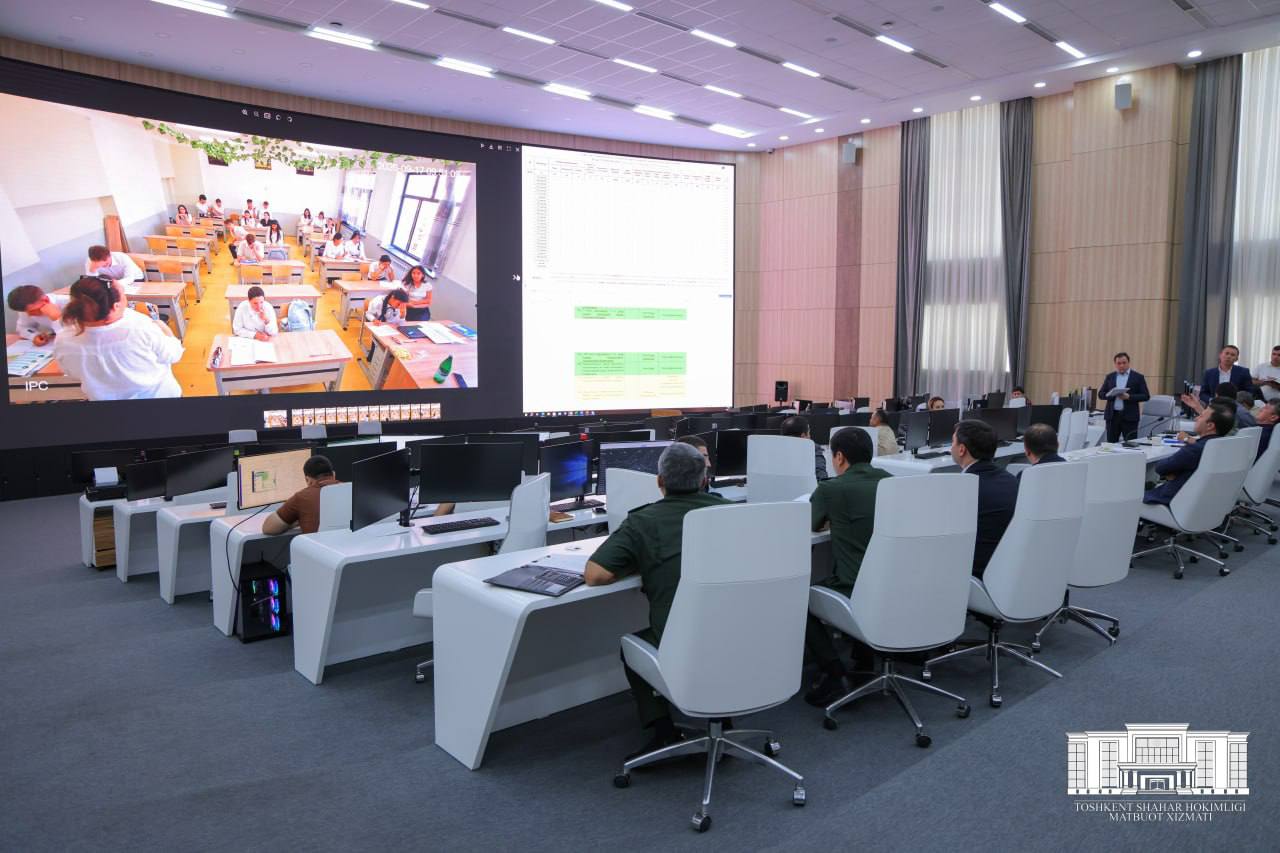
leadership of the Traffic Management Center, a pilot project has been launched
to integrate parking spaces into a single urban management system.
Chaotic
parking in high-activity areas remains one of the key problems of the urban
environment. Cars are often placed on sidewalks, along driveways, and at
building entrances, which narrows passageways, impairs visibility, and reduces
security.
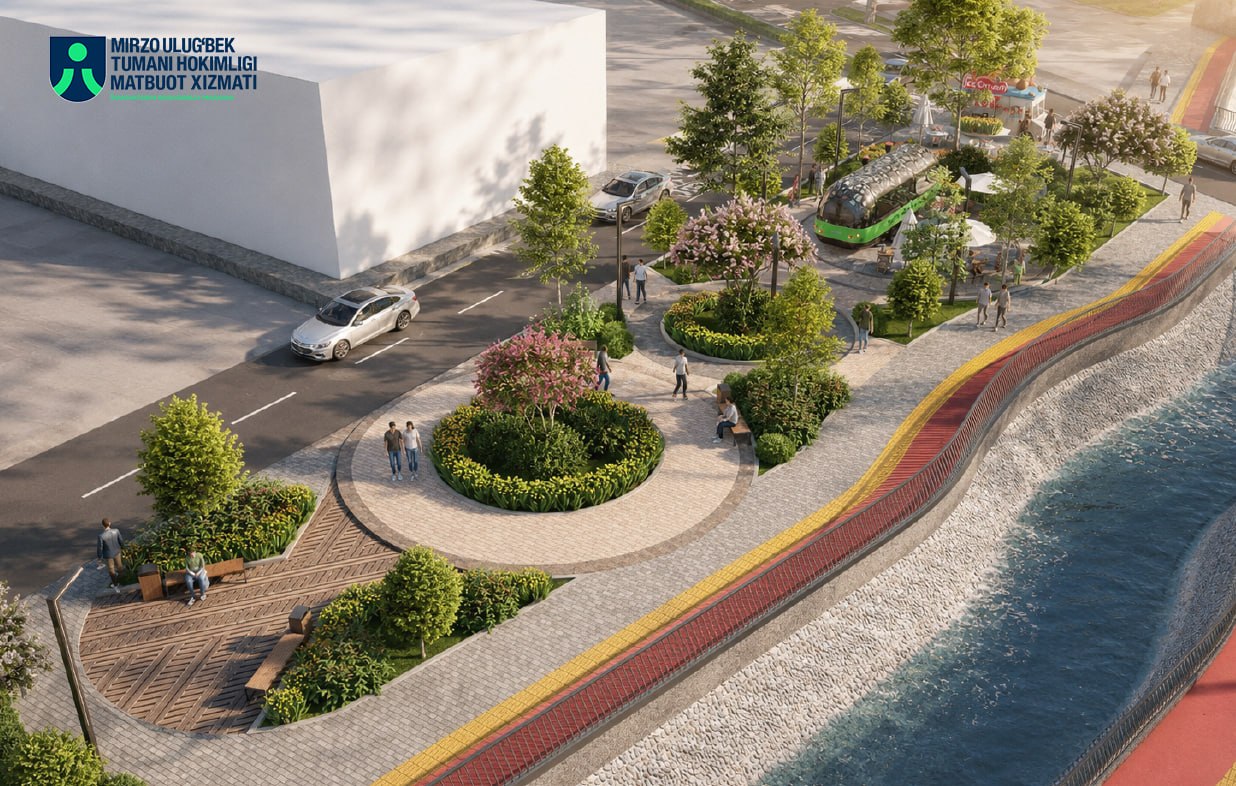
The project
is based on the creation of a safe and comfortable environment for pedestrians,
as well as the systematic ordering of parking space.
As part of
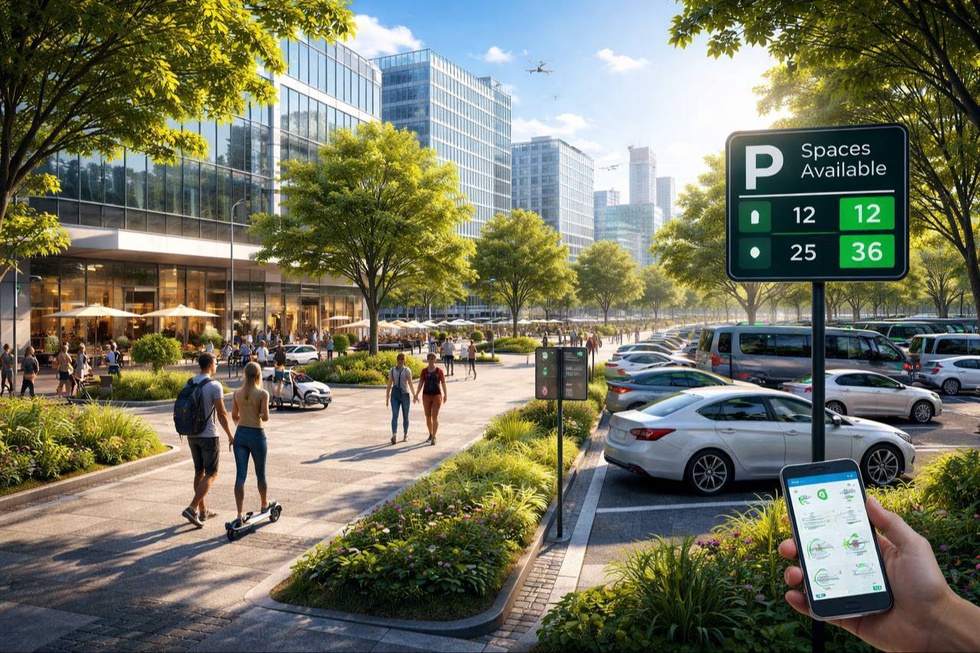
the initiative, private flat parking lots at retail and service facilities are
being connected to a single urban system. This will allow:
·
keep
transparent records of parking spaces
·
monitor
their occupancy
·
and
create clear and uniform rules of use
The data
center provides centralized regulation and control, which will eliminate
spontaneous parking and increase the efficiency of urban space use.
The project
is being implemented in a pilot format with subsequent evaluation of the
results and the possibility of scaling up taking into account public opinion.
Additionally,
a source of income is being created, which will be directed to the project
areas for the development of road and urban infrastructure.
For
reference:
According
to data center analysts, in areas of high urban activity, up to 20-30% of cars
park with violations. At the same time, the occupancy of sidewalks by transport
and other obstacles can reduce their capacity by 40-60%.
In
congested areas, up to 30% of the traffic flow, and in some locations - up to
40%, is formed due to the search for a parking space.
Global
practice confirms the effectiveness of centralized digital solutions. Thus, the
introduction of a parking management system in San Francisco (the SFpark
program) has reduced parking search time by up to 43% and mileage by 30%. In
Moscow, similar measures have led to a 64% reduction in parking violations, an
increase in the average speed to 56 km/h, and the formation of a sustainable
source of financing for landscaping.
The project
is aimed at reducing conflicts between road users, improving safety and
creating a sustainable and predictable urban order.