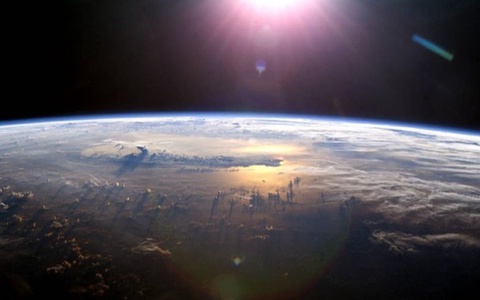


The maximum ozone mass deficit in 2024 was estimated at 46.1 million tons. This indicator was recorded on September 29. During this month, slow destruction of the ozone layer was observed. However, after the deficit was reached, a relatively rapid recovery followed. The level of ozone loss remained "below average" until mid-November.
The ozone layer protects the Earth from dangerous ultraviolet radiation. In the twentieth century, it began to deteriorate rapidly due to the widespread use of ozone-depleting substances (CFCs) in industry.
Back in the 1970s, scientists began to express concern about this. In 1987, the Montreal Protocol was signed, which involved phasing out 99% of CFCs. However, by that time, the ozone layer had already been seriously damaged – for example, a vast hole had formed over Antarctica.
The withdrawal from CFCs has had a positive effect. According to forecasts, the ozone layer can be expected to recover at low latitudes by 2040, in the Arctic by 2045, and in Antarctica by 2066.
Scientists have also assessed the impact of global warming on ozone recovery. A side effect of climate change is a slight decrease in the temperature of the ozone layer. This means that more stratospheric clouds may form over Antarctica, which will delay the hole's tightening somewhat, The Daily Mail reports.
The scientists noted that, despite the successes, careful monitoring of both stratospheric ozone and the use of CFCs should be continued. mir24.tv.