
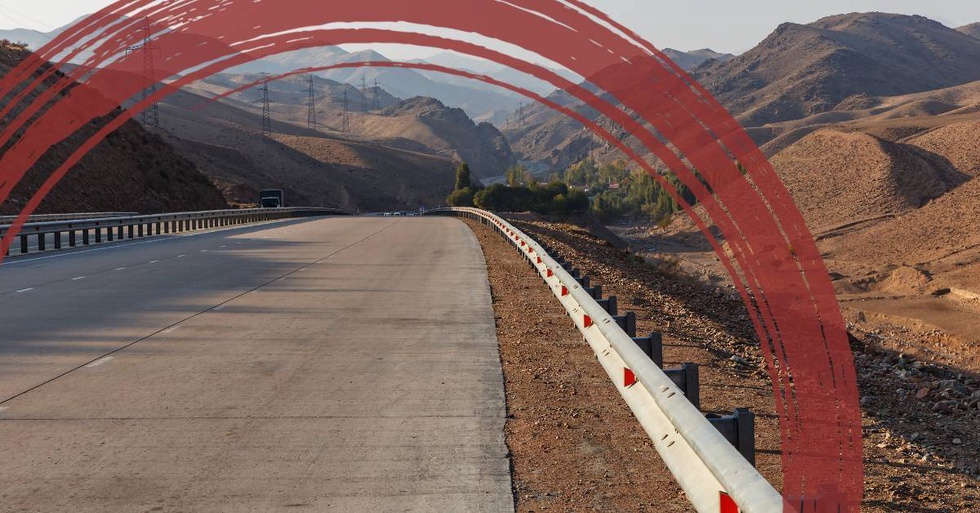
The project will promote business development and create new jobs along the reconstructed section of the M41 regional highway. He will also support the authorities in implementing comprehensive reforms in the country's transport sector.
Uzbekistan's transport sector provides almost 8% of GDP and employs about 1 million people. Over the past ten years, the industry has significantly improved its performance. Thus, the country rose from 129th place in the World Bank's Logistics Efficiency Index (2014) to 88th position (2023) among 139 countries in terms of speed and reliability of goods movement.
However, the rapid growth of the fleet significantly outstrips the development of the road network, putting a strain on the transport infrastructure. According to forecasts, by 2030, the capacity of roads will need to be increased by about 500% to cope with the expected increase in freight traffic.
"The development of efficient and safe roads and railways is of key importance for the population's access to jobs and services, the development of domestic and international trade, as well as strengthening Uzbekistan's competitiveness," said Naji Benhasin, World Bank Regional Director for Central Asia. "As part of the new project, we will support Uzbekistan's efforts to improve the quality of transport infrastructure and services, as well as reform the transport sector."
The main components of the five-year project:
Reconstruction of the M41 motorway section (91 km) in Surkhandarya region
The two-lane road will be expanded to four lanes.
About 35,000 drivers and passengers will use it daily.
Approximately 550,000 residents of the surrounding territories will have access to transport services and economic opportunities.
As part of the project, the quality of the road surface will be improved, traffic safety will be improved, about 180 bridges and drainage structures will be reconstructed, and new bus stops will be built.
Travel time will be reduced, and the average speed will increase from 65 to 90 km/h outside populated areas.
Development of a National strategy for the development of multimodal transport
The strategy will become a roadmap for strengthening the capacity of government agencies in the development of transport services and infrastructure.
The document will make it possible to make decisions based on data, improve passenger and cargo transportation, and coordinate the work of various modes of transport.
Includes measures to be resilient to supply chain disruptions, weather risks, and reduce emissions in the industry.
Improving the activities of Uzbekiston Temir Yullari JSC
Strengthening corporate governance and financial transparency.
Improvement of passenger transportation planning and implementation of ESG practices.
Improving operational efficiency and attracting private investment for further development.
The implementation of the project will create additional and high-quality jobs in the transport, trade, tourism and other sectors of the economy, increase passenger and transit traffic, increase revenues in the transport sector and strengthen Uzbekistan's position as a regional transit hub.