
It notes
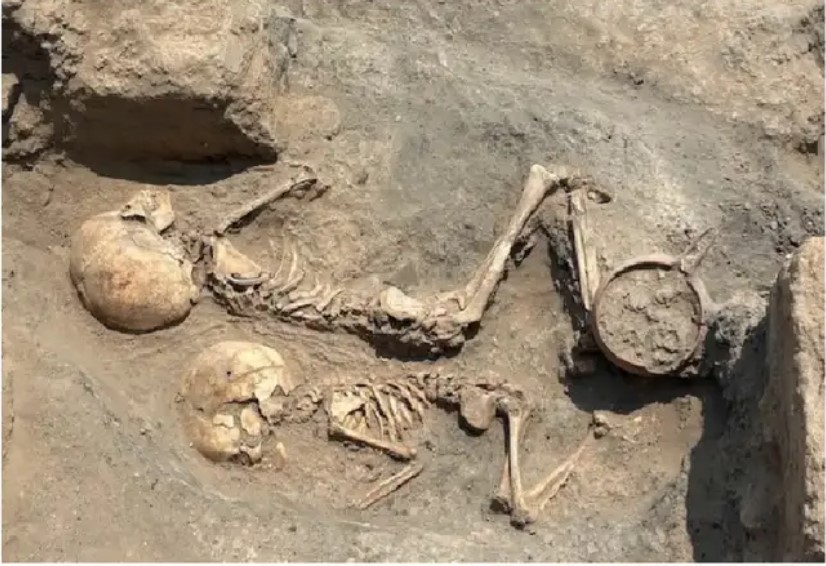
that a child's skull belonging to the Bronze Age, dating back approximately
4,000 years, was found in our country. The skull preserves traces of
trepanation, indicating that a surgical operation was performed on the cranium.
This find is
important evidence that surgical operations were carried out in Central Asia in
ancient times and is considered one of the oldest such examples discovered on
the Asian continent.
The unique
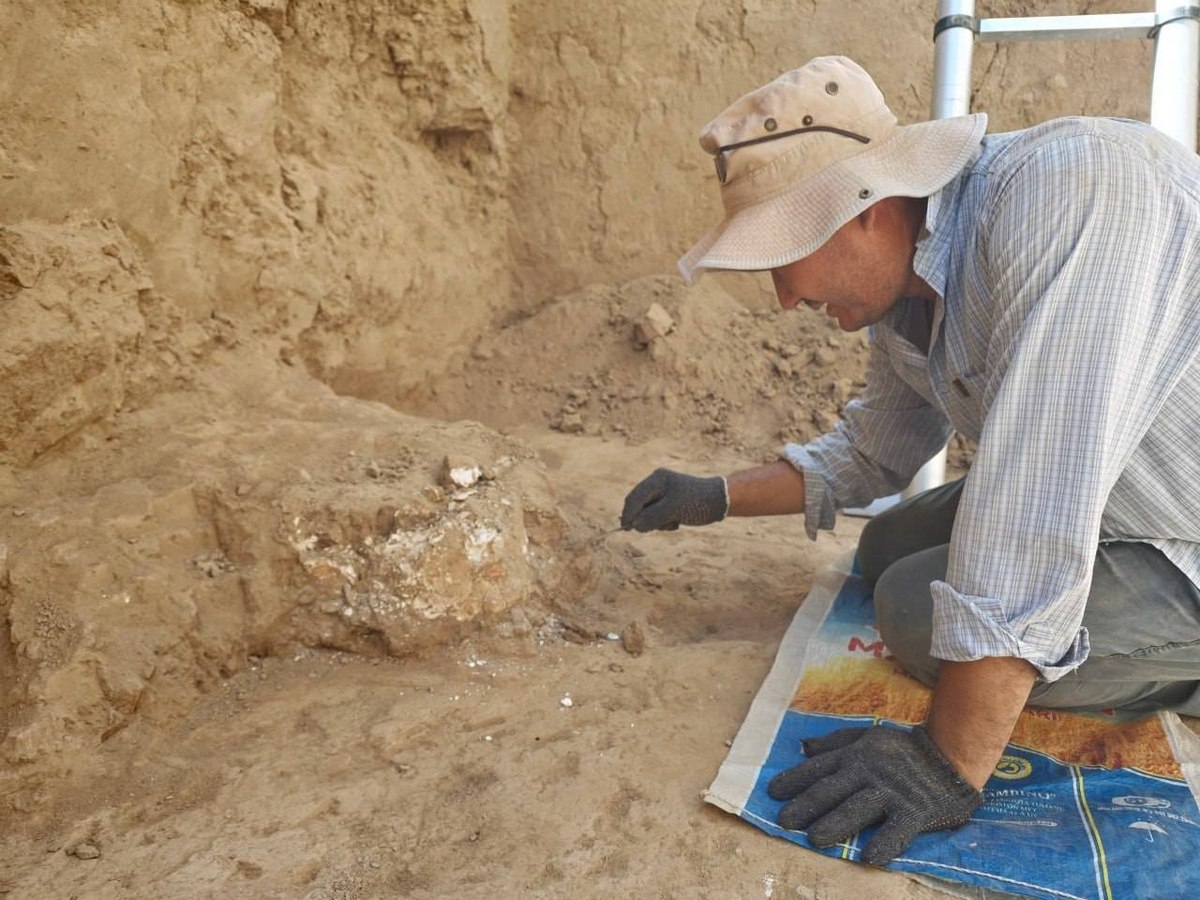
discovery was made during excavations at the Jarkutan archaeological site by an
international team of researchers consisting of Uzbek and Italian scientists.
The site is located in an area bordering Afghanistan and dates back to the end
of the 3rd millennium BC.
According
to scientists, the traces of surgical operation were identified on the skull of
a child who died at approximately five years of age. This tomb belongs to the
period of the Oxus civilization.
Enrico
Ascalone, who led the excavation work, emphasized that this find is crucial
evidence showing a high level of medical knowledge in societies that lived in
Central Asia four thousand years ago.
According
to researchers, the discovery brings new scientific questions to the agenda
regarding the level of development of medicine at that time, the skill of the
specialists, and why such a complex operation was performed on a young child. Research will continue to find answers to these
questions.