
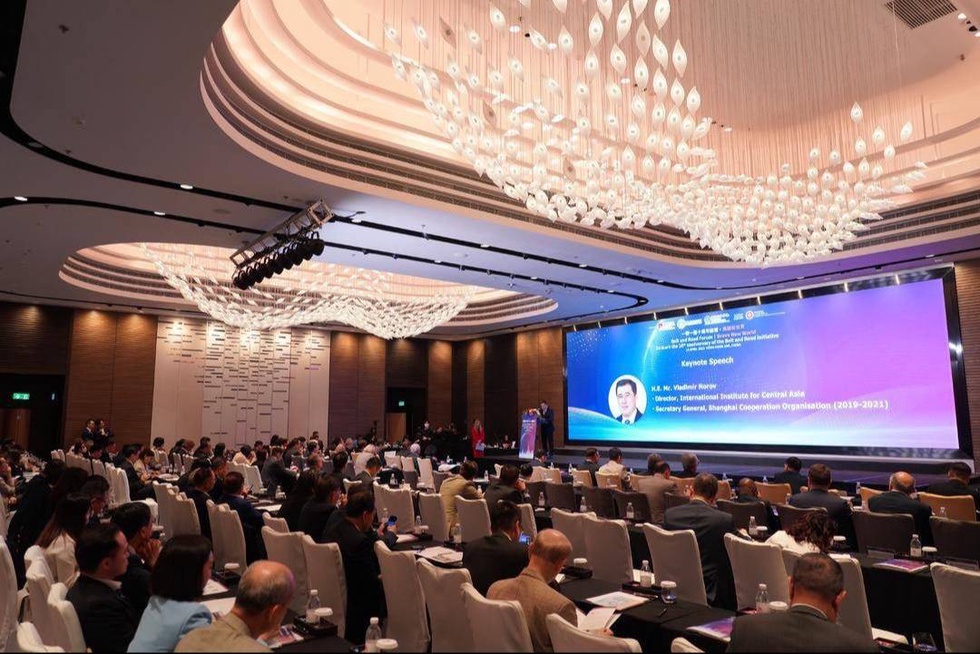
In his speech, the Director of the International Institute of Central Asia, Vladimir Norov, noted that the China-Kyrgyzstan-Uzbekistan railway communication project launched at the Samarkand SCO Summit has historical significance for the implementation of the Belt and Road initiative.
Uzbekistan also supports the interconnectedness of the regions of Central and South Asia, including through the construction of the Termez-Mazar-I-Sharif-Kabul-Peshawar railway.
This route will not only expand the logistics capabilities of the Belt and Road, but will also contribute to the peaceful reconstruction of Afghanistan and the expansion of trade and economic ties in the North-South direction.
It is important to note that Central Asia is a key region for the SCO and the One Belt and One Road initiative and has the potential for further economic and political development in connection with participation in them.
Thus, for more than 30 years, the relations between the countries of Central Asia and China have received a breakthrough development, reaching the level of strategic partnership.
In 2022 alone, China increased trade with Central Asian countries by 45.4%, respectively, the trade turnover increased to 49 billion dollars. According to Chinese President Xi Jinping, this figure is planned to increase to 70 billion US dollars by 2030.
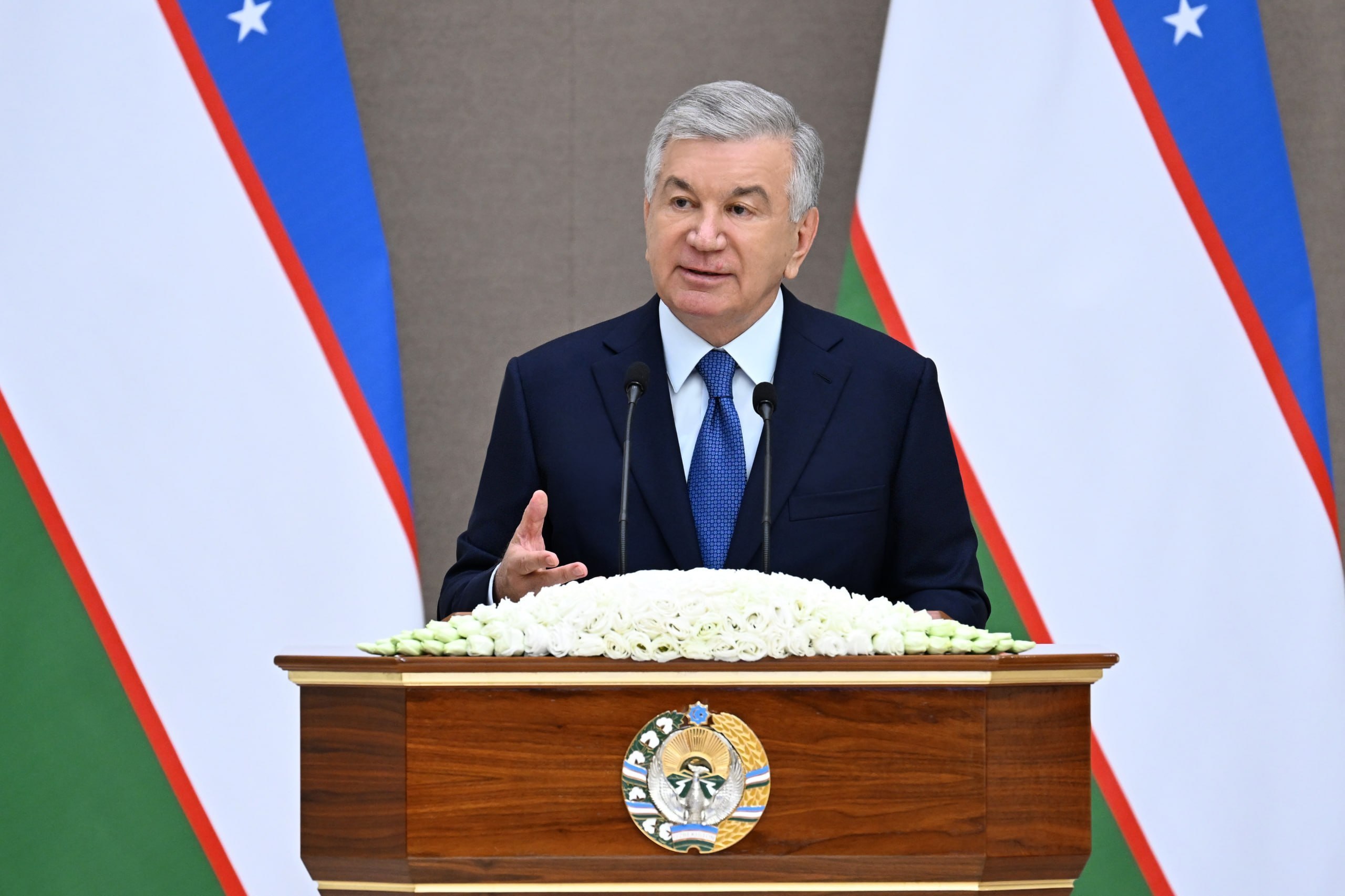
At the same time, it is important to highlight the online summit of the Heads of State of Central Asia and China held on January 25, 2022, where the President of Uzbekistan Shavkat Mirziyoyev proposed to develop a Strategy for a New Economic Dialogue "Central Asia - China", designed to ensure unhindered trade and the formation of a common space of industrial cooperation and localization.
Uzbekistan also supports the joint implementation with China of long-term and mutually beneficial projects in Central Asia that will contribute to ensuring sustainable socio-economic development, integration of the region's countries into the global economy and transport and logistics corridors.