
Water on our planet is disappearing at an unprecedented rate, and a new analysis suggests that a significant portion of it is ending up in the ocean. According to ScienceAlert, land is now playing a more important role in sea level rise than melting glaciers.
A research team from Flame University (India) analyzed more than two decades of NASA satellite observations and created a picture of changes in land water reserves since 2002. The results show that the drying territories are increasing annually by about twice the size of the state of California in the United States.
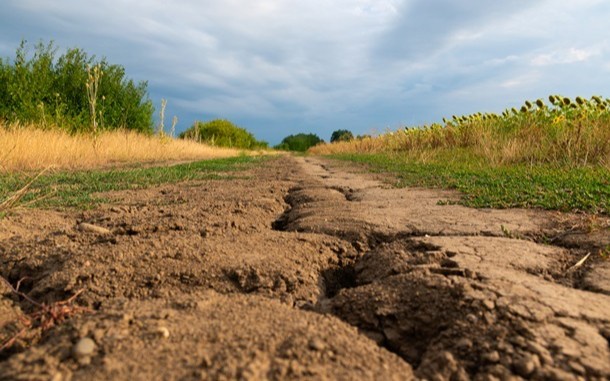
"Dry regions are drying out faster than wet ones are getting wetter, and the area of arid lands is increasing," the report says. This means a general decrease in land-based water resources, which negatively affects rivers, lakes, and groundwater. Today, 75% of humanity lives in countries where freshwater supplies are declining.
Most of the water removed from the continents ends up in the ocean, which accelerates sea level rise. Losses are particularly severe in high latitudes, where melting glaciers and permafrost are causing water leakage. In regions without glaciers, the main factor is the excessive use of groundwater by humans.
Extreme droughts in Central America and Europe are also exacerbating the problem. Changes in precipitation caused by fossil fuels force people to turn to groundwater, which further depletes these resources. Significant water consumption is observed in arid agricultural regions such as the Central Valley of California and the territories around the dried-up Aral Sea. korrespondent.net.