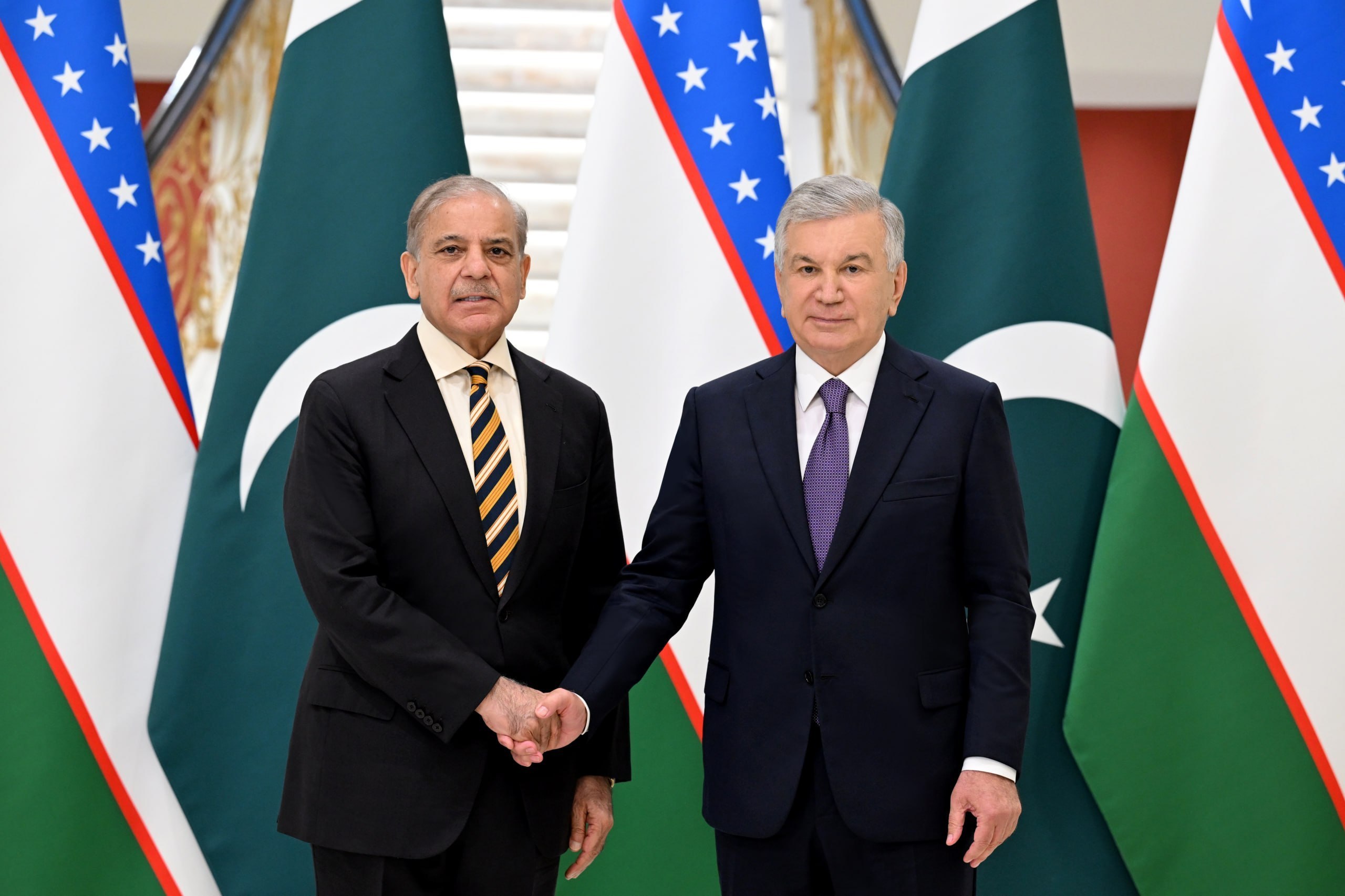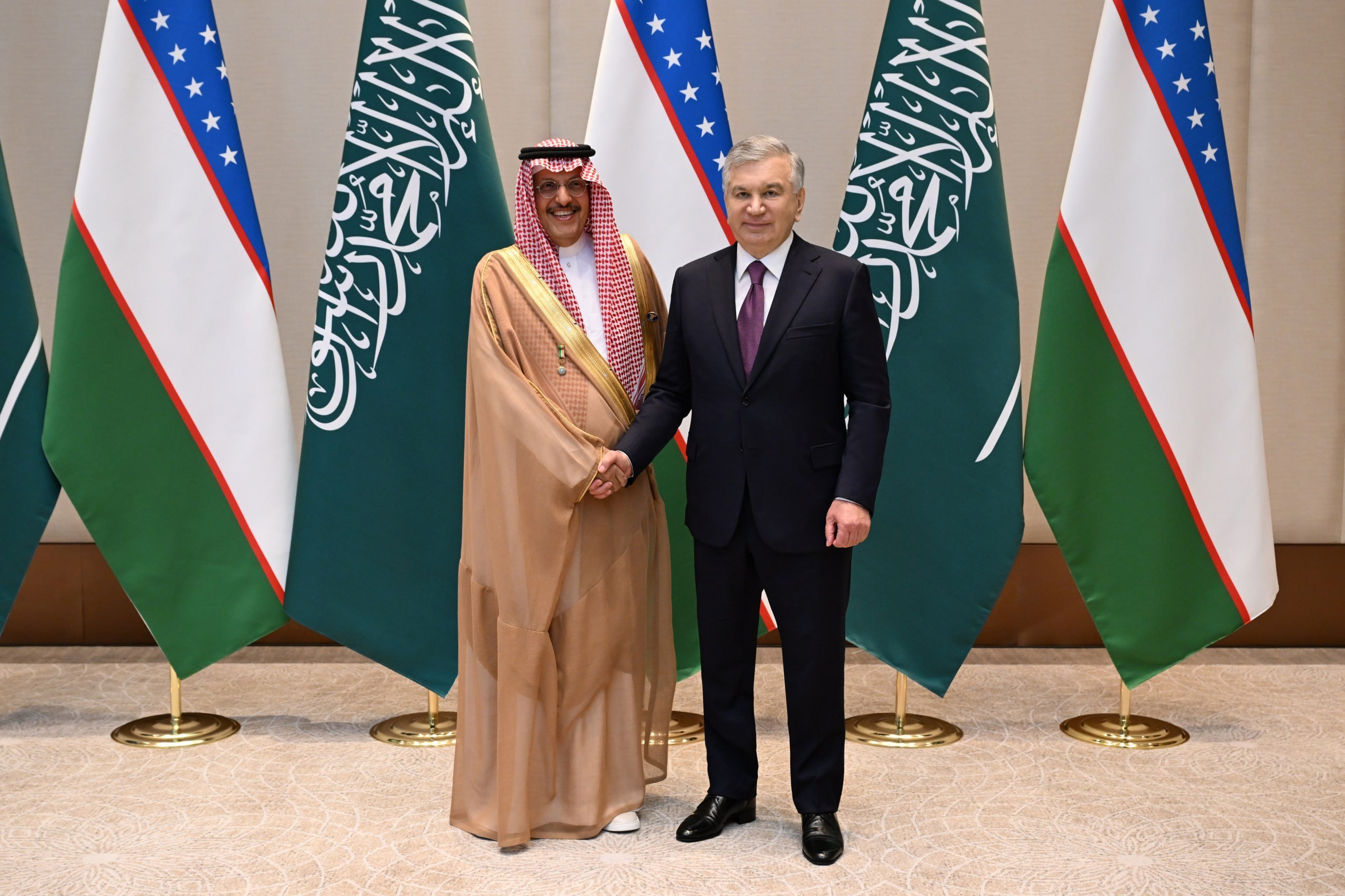


The document "Strategic Mutual Defense Agreement" (SMDA) was signed by Crown Prince of Saudi Arabia Mohammed bin Salman and Prime Minister of Pakistan Shahbaz Sharif, who met in Riyadh.
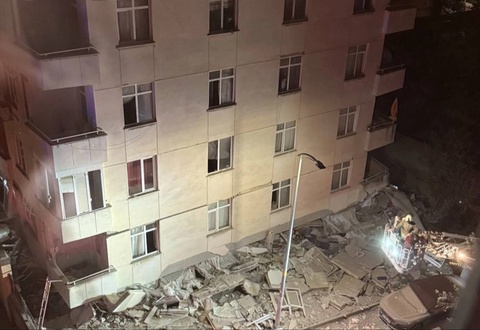
The treaty was a direct response of two Muslim countries, one of which possesses nuclear weapons and the other huge financial and energy resources, to the escalation of tension in the region after Israeli strikes on the territory of Qatar. The Saudi-Pakistani agreement stipulates that "any aggression against one of the two countries will be considered aggression against both states."
However, the specific mechanism of application of this provision and the possible responses of Riyadh and Islamabad to the "aggression" are not disclosed. According to Pakistani media reports, the agreement signed by bin Salman and Sharif, taking into account shared strategic interests, legally allows for the consideration of the Pakistani nuclear arsenal in the defense of Saudi Arabia, if necessary. It is obvious that in this way the KSA is trying to achieve military parity with an increasingly aggressive Israel, which possesses nuclear weapons but does not recognize this fact, under the leadership of Prime Minister Benjamin Netanyahu.
"This agreement is aimed at developing aspects of defense cooperation between the two countries and strengthening joint deterrence against any aggression," Saudi news agencies reported.
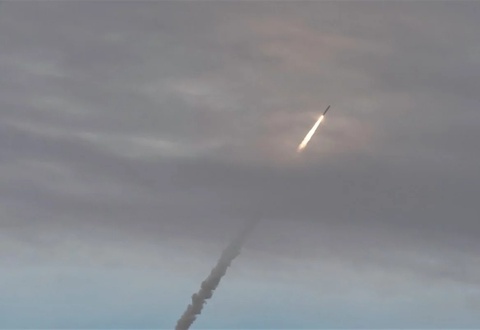
Pakistan is believed to have an arsenal of 150-160 atomic warheads and short- and medium-range missiles as delivery vehicles. The main regional opponent of the Sunni Saudis is Shiite Iran, from which the United States provided military protection to Riyadh until recently. At the same time, Washington's unpredictability under President Donald Trump, who verbally did not support, but actually sided with Tel Aviv in the situation with the latter's strikes on Qatar, forces the KSA to hedge itself with other guarantors of its security. Given the growing aggression in the region by Israel, which is no longer militarily restrained by anyone, it probably makes sense for the rich Saudi monarchy to think about this.
However, the question remains whether Islamabad is suitable for the role of a "security guarantor", primarily concerned with the fight against separatists in its own rebellious province of Balochistan, and most importantly, the regional confrontation with India.
Moreover, despite the fact that Tel Aviv is seen as the main reason for the "Saudi-Pakistani pact," it is in India that the shifts in the security architecture of the Middle East region (New Delhi considers it West Asia) have caused almost more resonance than in the Middle East.
The reason is obvious - military tension on the de facto demarcation line in the Himalayas, disputed by India and Pakistan, is permanent, and clashes in Kashmir occur regularly. Last May, the escalation, followed by the Indian anti-terrorist operation Sindoor, resulted in a full-scale conflict with strikes on the internationally recognized territory of both countries. rg.ru.