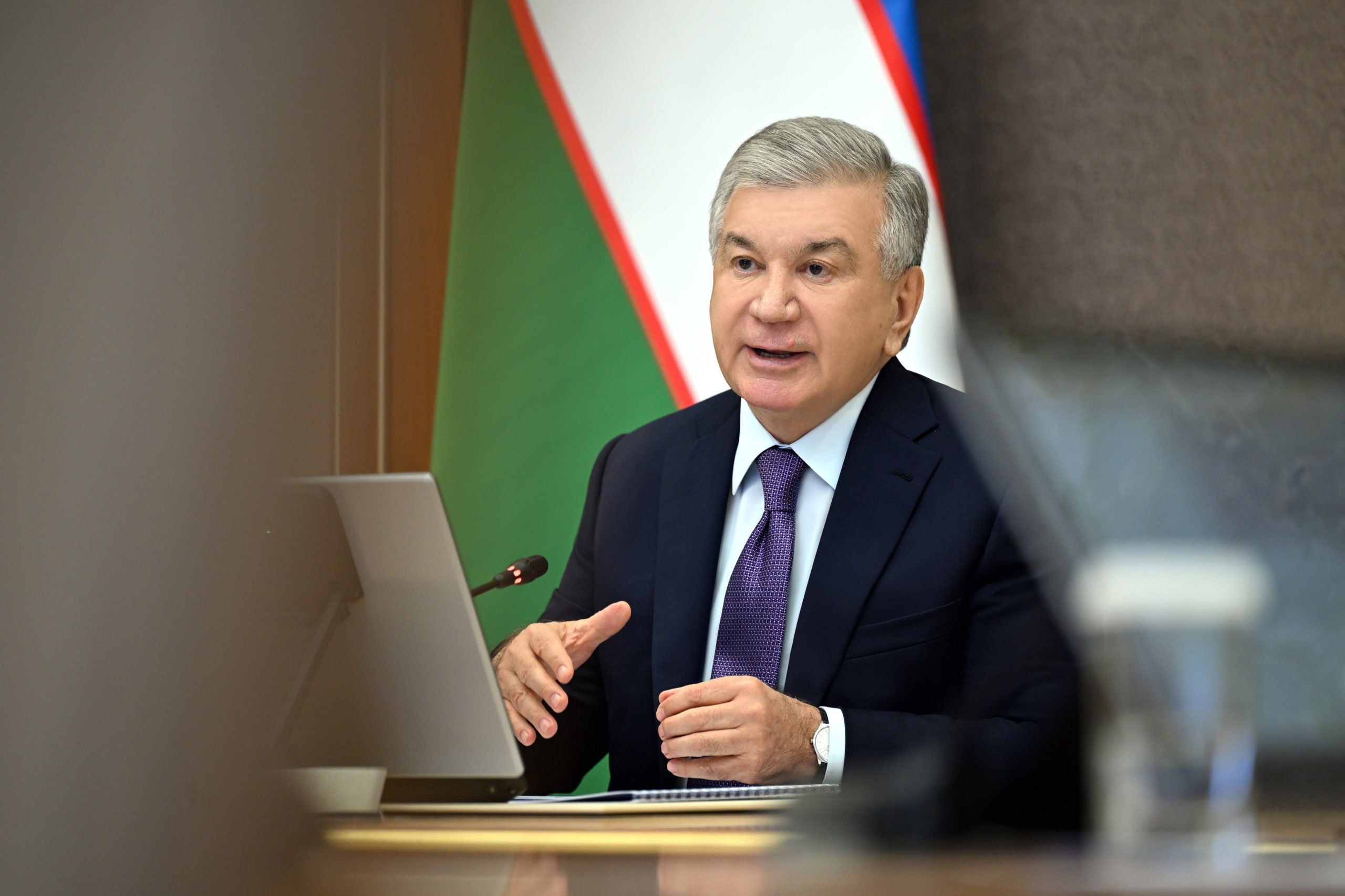

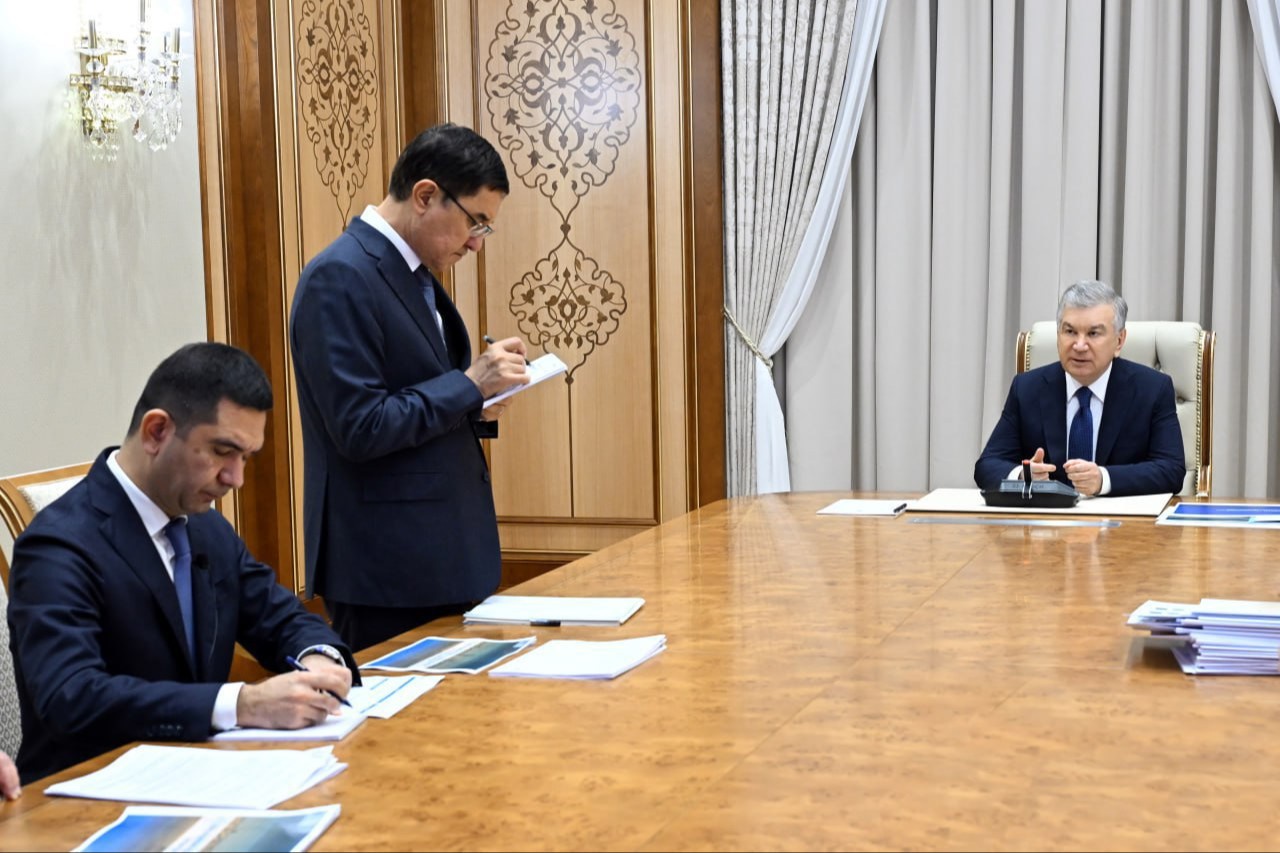
At a critically oriented meeting, unutilized opportunities and shortcomings were identified.
It was noted that there are currently no clear criteria for assessing the effectiveness of members of the “mahalla of seven”, and that it is necessary to increase their responsibility for fulfilling their primary task – reducing unemployment and poverty. It was emphasized that the work of the “mahalla of seven” should directly reflect improvements in employment and income levels among the population, and efforts in this area must be more targeted and results-oriented.
The President instructed officials to identify the problems and “growth points” of each mahalla, to develop and implement systemic measures, and to pay particular attention to resolving citizens’ appeals directly on the ground.
The state of work in the most problematic mahallas was reviewed. A task was set to give special attention to these areas, expand access to infrastructure, electricity, the internet, and improve opportunities for using household plots.
It was noted that by the end of the current year, the poverty rate is expected to decrease from 8.9 percent at the beginning of the year to 6 percent. The goal for next year is to reduce this indicator to 4.5 percent.
To achieve these goals, tasks were defined to comprehensively organize work in mahallas: expanding access to services that promote sustainable employment, creating income sources, providing vocational training for residents, and involving residents in entrepreneurial activities.
It was emphasized that individual programs must be developed for each low-income family based on their real capacities and needs.
As part of the project-based approach, plans have been set to support 1 million low-income citizens through initiatives such as “Employment agencies – employers partnership”, “Equal opportunities – inclusive employment”, “Toward a sustainable future”, “20 local brands”, “One cluster – one product”, “Entrepreneurship development in mahallas”, “Improving irrigation of leased lands and household plots”, “Renewal of old orchards”, “1,000 hectares of fruit orchards”, “Export cooperatives”, and other programs.
Measures were presented to reduce poverty and unemployment through the implementation of small- and medium-scale projects in mahallas, including the development of infrastructure in border and enclave areas, the creation of 24-hour activity streets, tourist-oriented mahallas, micro-industrial centers, and improvements to coastal and road infrastructure.
Progress on the 2025 employment program, development of the 2026 plan, and issues related to reducing informal employment were also reviewed.
The President instructed the relevant structures to ensure targeted problem-solving on the ground, enhance the effectiveness of practical work aligned with the real needs of the population, and achieve a high level of accountability in fulfilling tasks aimed at reducing unemployment and poverty.