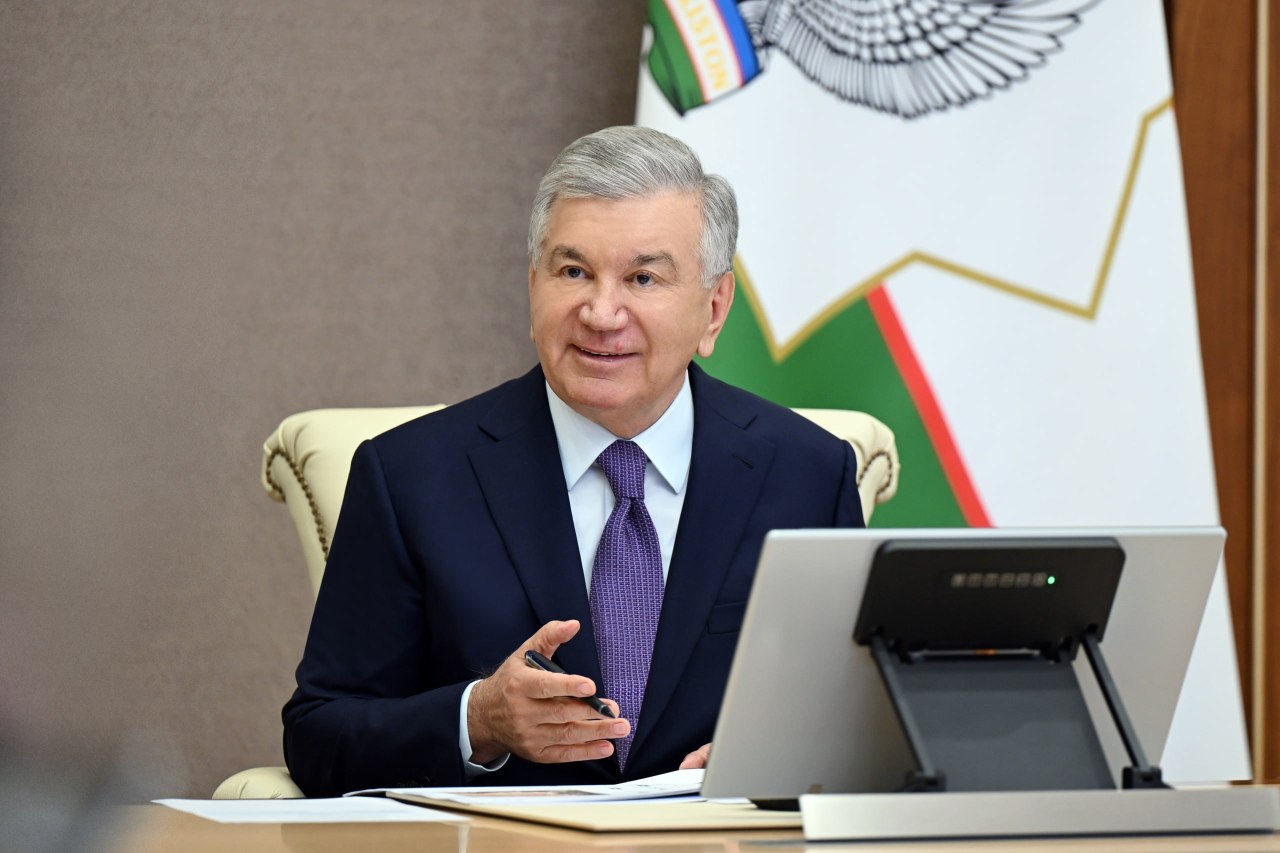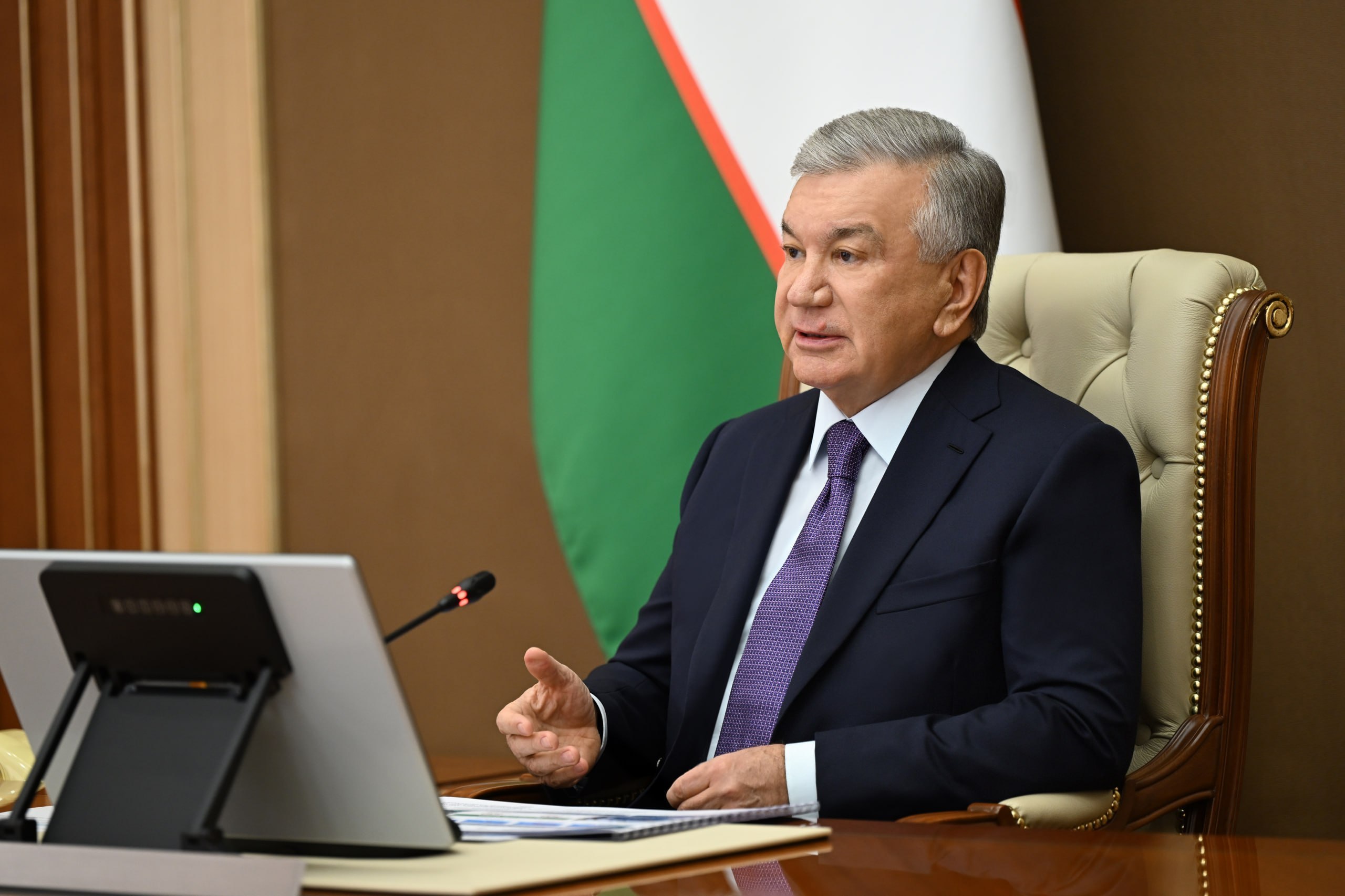

As the Head of State noted, education, science, and investment in human capital, which form the foundation of the Japanese “economic miracle”, are among the strategic directions of cooperation between Uzbekistan and Japan.
The President of Uzbekistan noted that for decades, Japan has remained among the world’s leaders in its share of spending on science and in the number of scientific patents. The country has produced many great minds – Nobel Prize laureates, especially in physics, chemistry, and medicine.
A strong foundation in natural sciences and mathematics, high-quality teaching, and a culture of diligence, collectivism, and discipline distinguish the Japanese school education model. Prestigious Japanese diplomas, especially in engineering, robotics, medicine, and pharmaceuticals, are highly valued worldwide. The close and stable link between education and science in Japan, and between science and industry and business, is of great interest.
Today, over 2,8 thousand Uzbekistan students study at leading Japanese educational institutions. Through the JDS scholarship program alone, more than 440 of our civil servants have been trained in Japan.
The rectors’ forums have become an effective platform for interaction. In October, the fifth forum was successfully held in Samarkand, with participation from rectors of nearly 50 universities from both countries.
The Head of State noted that in Uzbekistan, the development of education and science is seen as the foundation for the country’s accelerated modernization, ensuring its competitiveness and integration into the global intellectual and technological space. Significant work has been done in this direction over the past 7-8 years, but much remains to be done.
As part of the systemic transformation of science, priorities have been identified, including cultivating a new generation of researchers, transitioning to a cluster model for organizing science, and concentrating resources on key scientific areas.
It was noted that the Japanese universities represented at today’s meeting have robust research infrastructure and strong scientific and pedagogical capabilities in areas relevant to us, including artificial intelligence and digital technologies, agriculture and water management, green energy and sustainable development, seismology, and smart city technologies.
Close cooperation with universities in Uzbekistan has already begun in these areas. Intensive negotiations were held the day before, and new agreements were reached on the implementation of joint projects.
To further develop cooperation, it was proposed to establish a joint commission on education and science, a consortium for innovation, and to implement flagship projects, including the introduction of AI into the educational process, as well as to launch a training program in engineering specialties.
During the event, an intergovernmental agreement on cooperation in higher education, a memorandum to establish a joint university in Uzbekistan in partnership with the University of Tsukuba, and several other documents on scientific collaboration and human resource development were signed.
A roadmap will be adopted for the systematic and timely implementation of the agreements reached.