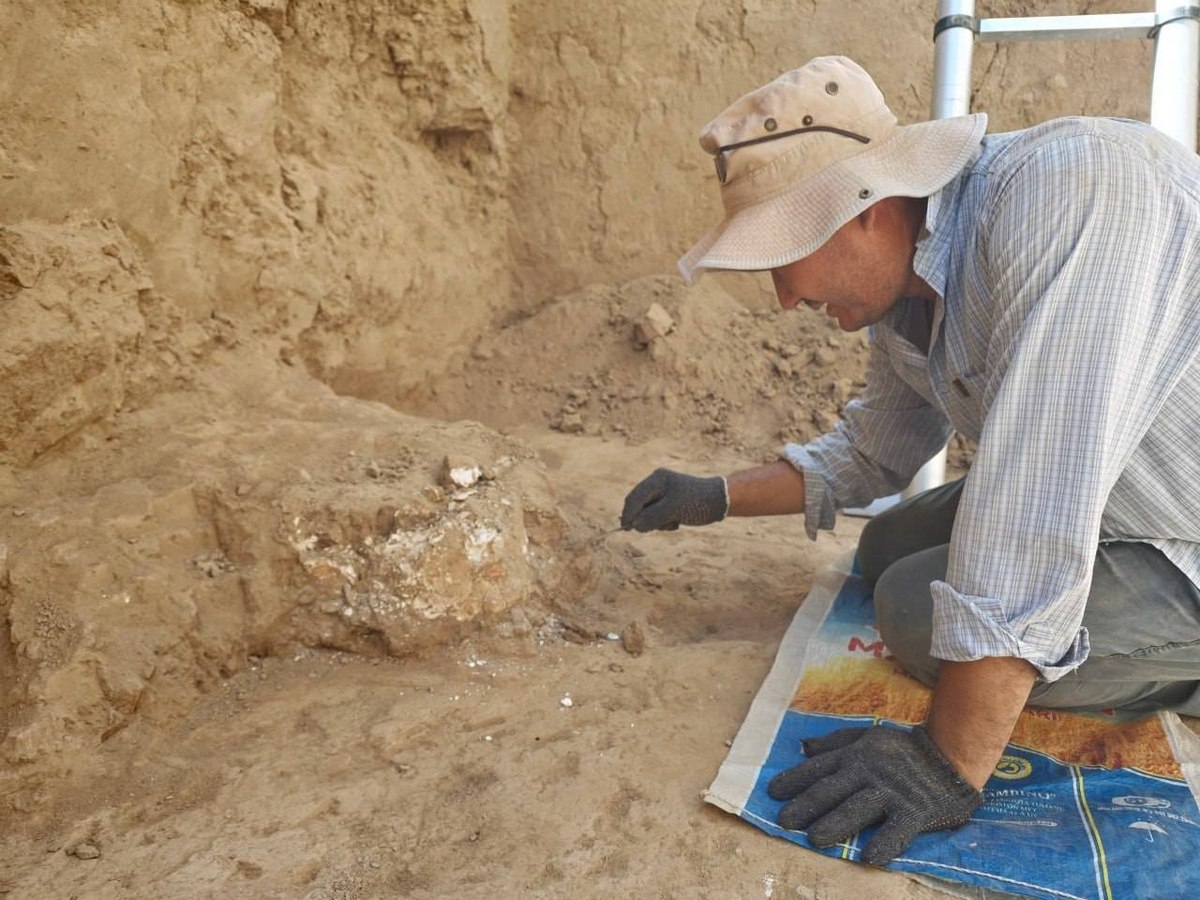

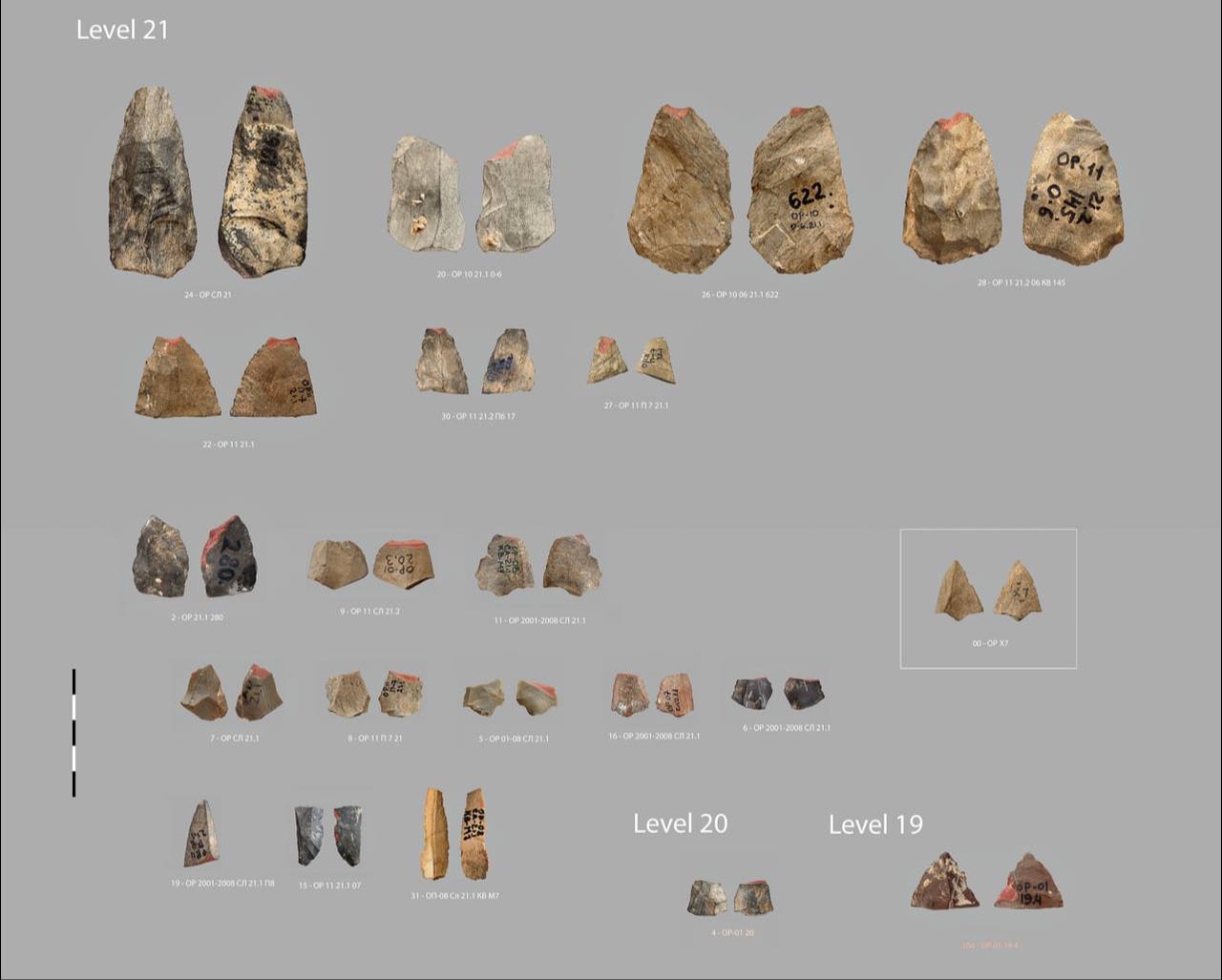
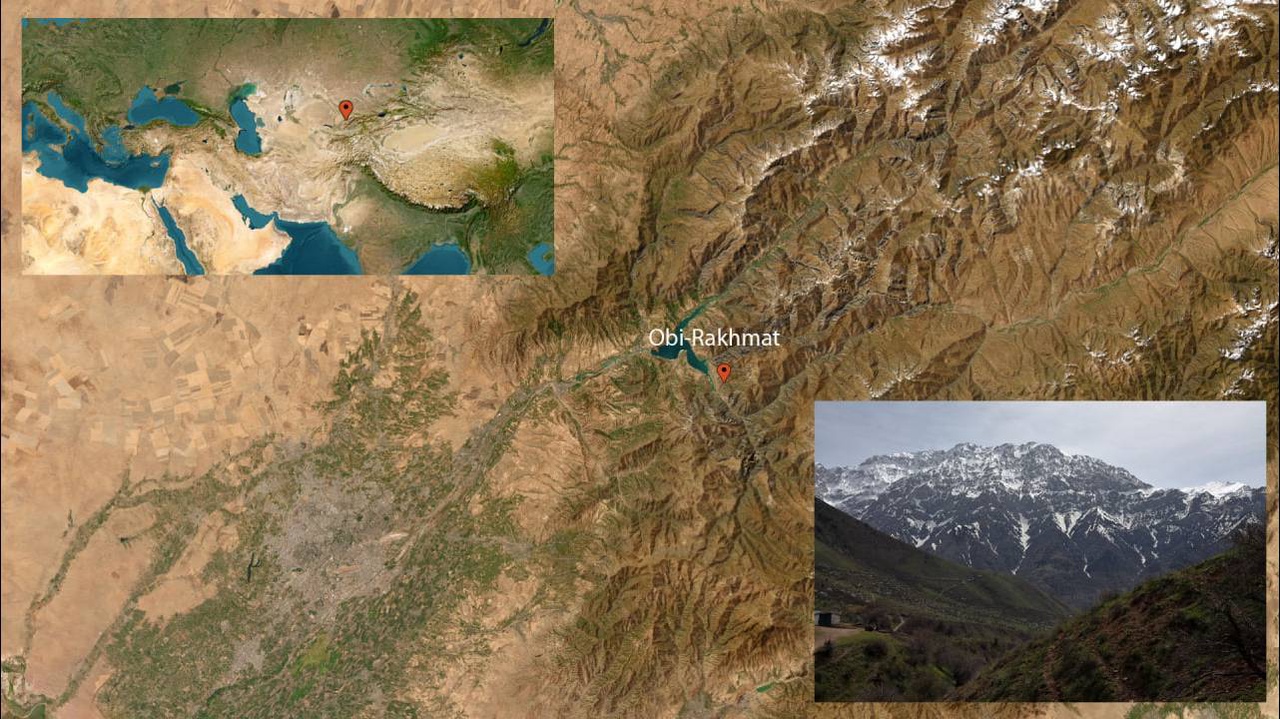
For many years, archaeologists from the National Center of Archaeology of the Academy of Sciences of the Republic of Uzbekistan have been excavating the Obi-Rahmat cave. Later, the research was expanded in collaboration with Russian and French specialists. In 2024, they reanalyzed the stone artifacts found earlier in the cave.
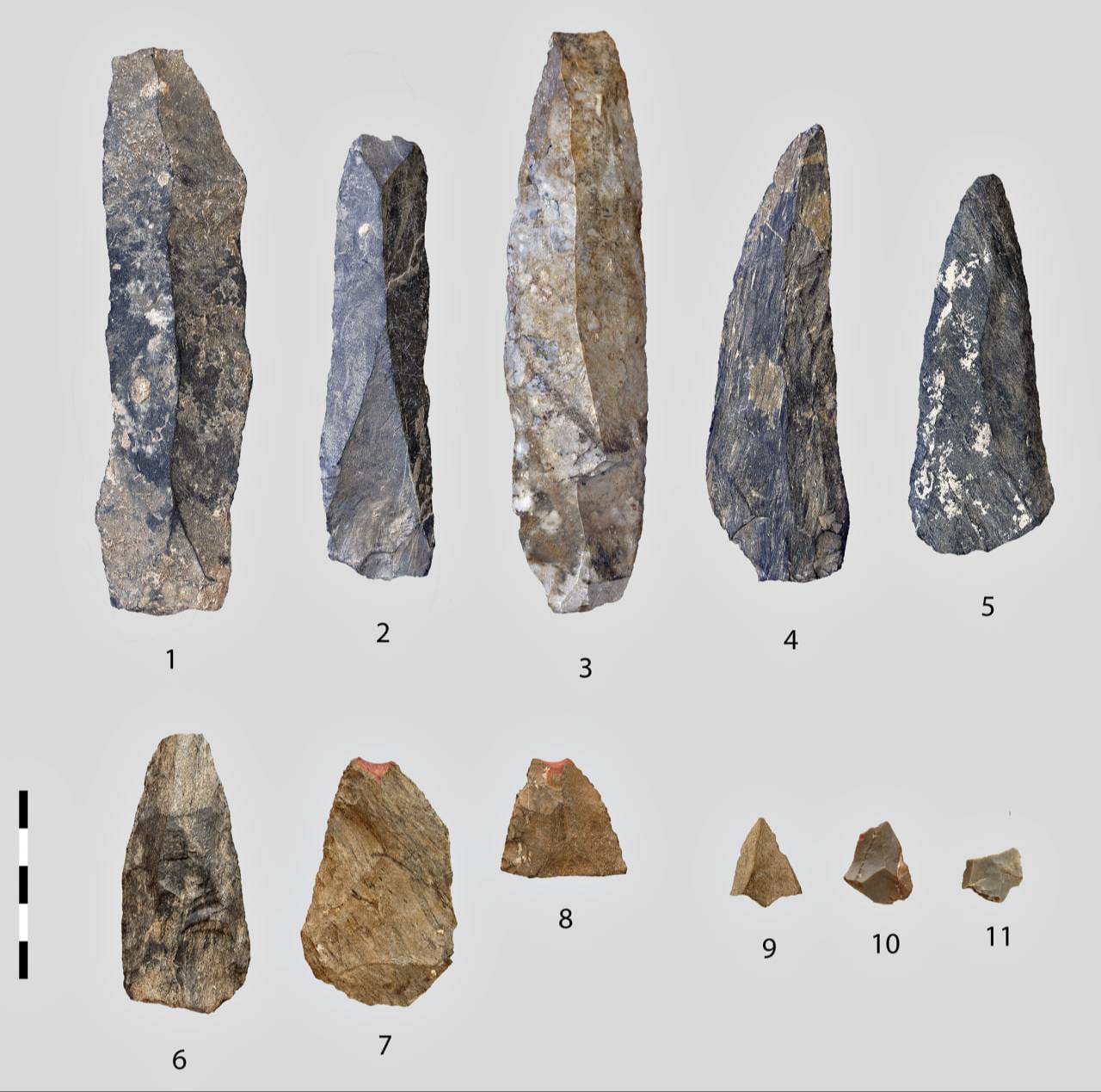
As a result, small triangular stone objects resembling arrowheads were discovered. Comparison with similar findings from other regions of the world confirmed: These are really arrowheads created for hunting using a bow.
The special value of the discovery lies in the fact that these artifacts are about 80,000 years old. For comparison, the oldest previously known similar finds dated back only 55 thousand years ago.
Thus, the territory of modern Uzbekistan becomes the place where the bow and arrow were made and used for the first time in the history of mankind.
The results of the study are published in the international scientific journal PLOS One. The scientists concluded that the shape, characteristic signs of wear and other signs confirm the use of these objects as arrowheads
Until recently, it was believed that the use of bows and arrows began in Africa about 70-80 thousand years ago, and in Eurasia - only in the Late Stone Age (40-12 thousand years ago). However, the finds from the Obi-Rahmat cave radically change these ideas, becoming one of the oldest evidences of remote hunting outside Africa.
Similar discoveries in Europe have previously been recorded, for example, at the Mandran site in France, but Uzbekistan is now recognized as a unique territory where technological innovations of the Stone Age originated.