
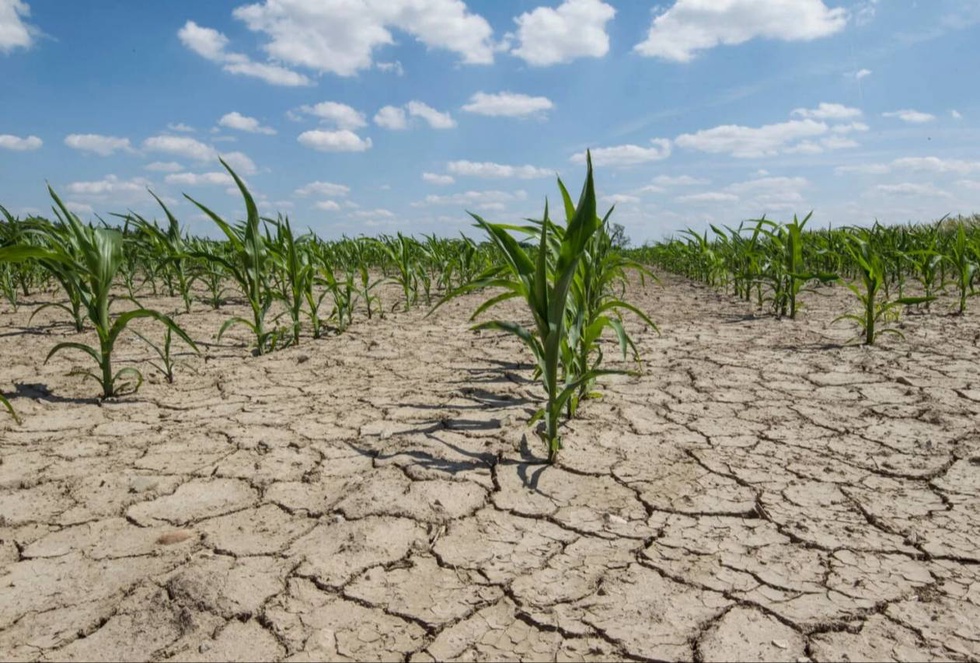
Given the severity of the situation, the Uzcosmos agency, together with the United Nations Economic and Social Commission for Asia and the Pacific (UNESCAP), has begun developing a drought monitoring system based on remote sensing technologies.
The main objectives of the project:
creation of an operational drought monitoring system in Central Asian countries;
formation of a cloud-based crop monitoring platform, taking into account the natural and climatic characteristics of each country;
improving the efficiency of water resources management and supporting agricultural solutions.
The project will allow the States of the region to use satellite data and technical resources in a timely manner to prevent the effects of drought and develop preventive measures.
On August 18, the Ministry of Digital Technologies hosted an international seminar on the practical implementation of the project in Uzbekistan. The participants noted that drought is one of the most dangerous natural phenomena in Central Asia, where water resources and land fertility directly depend on timely monitoring.
Space technologies, in particular remote sensing, make it possible to track changes in soil moisture, the state of vegetation and the dynamics of the area of reservoirs. The use of the NDVI (Normalized Difference Vegetation Index) index also makes it possible to predict yields and assess the condition of farmland.
It is expected that the drought monitoring system being created will become an important regional tool for preventing environmental losses, improving food security and sustainable use of natural resources.