
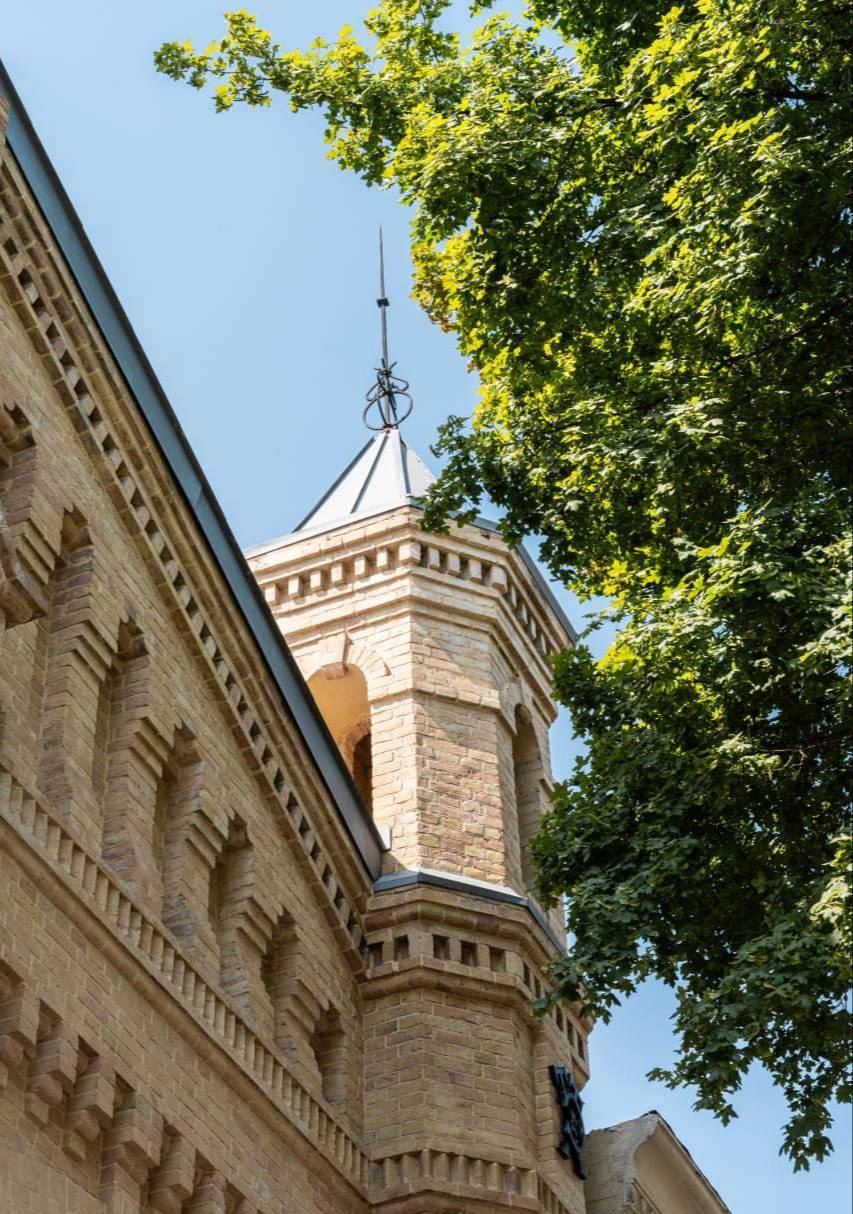
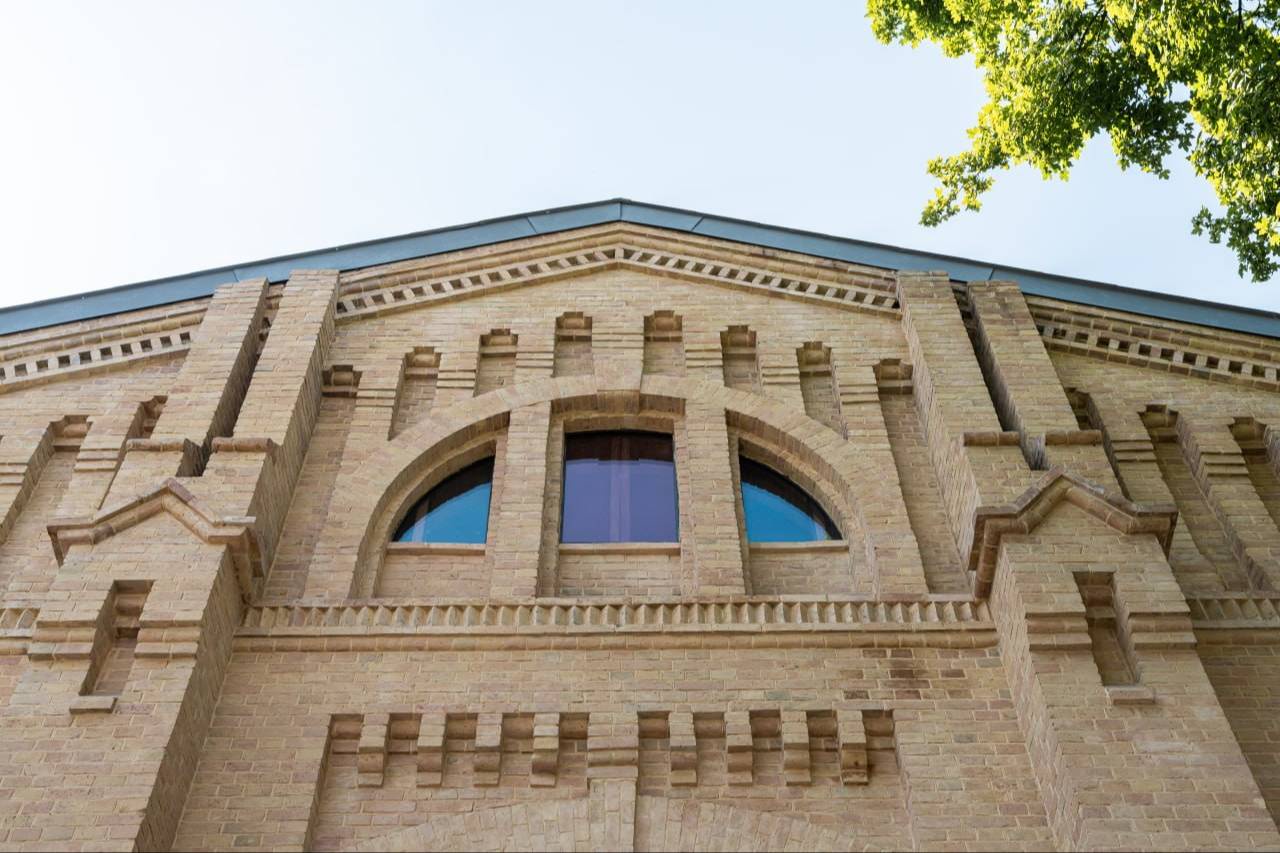
For
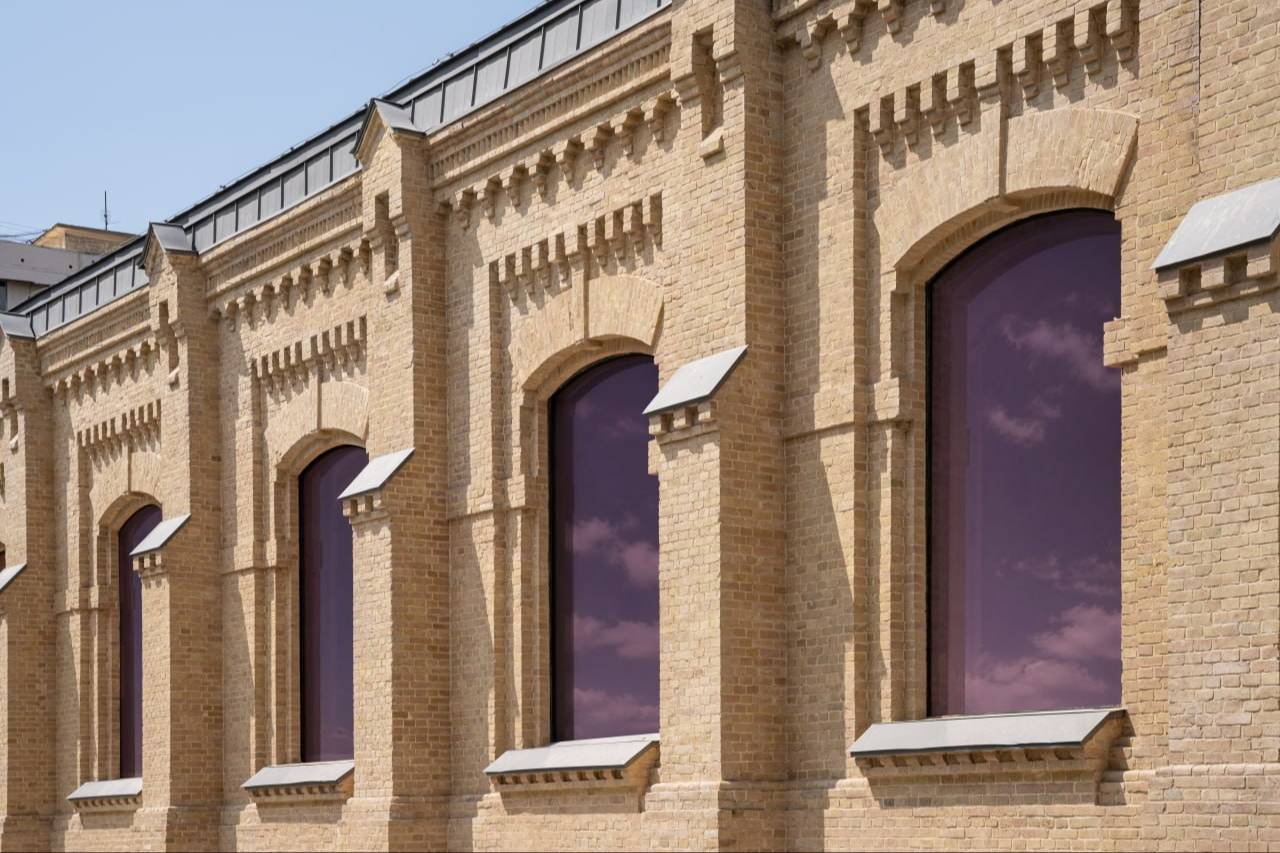
reference: the building was constructed in 1912 according to the design of
architect Wilhelm Heintzelmann. Initially, it was used as a tram depot, and
later as a diesel power plant. Today, while preserving the building’s
historical appearance and industrial character, it has been transformed into a
centre for contemporary art, education, research, and cultural dialogue.
The project
is being implemented at the initiative of the head of state and is a vivid
example of preserving historical heritage and imbuing it with new, modern
content.
The
architectural concept, developed by the renowned French firm Studio KO, combines
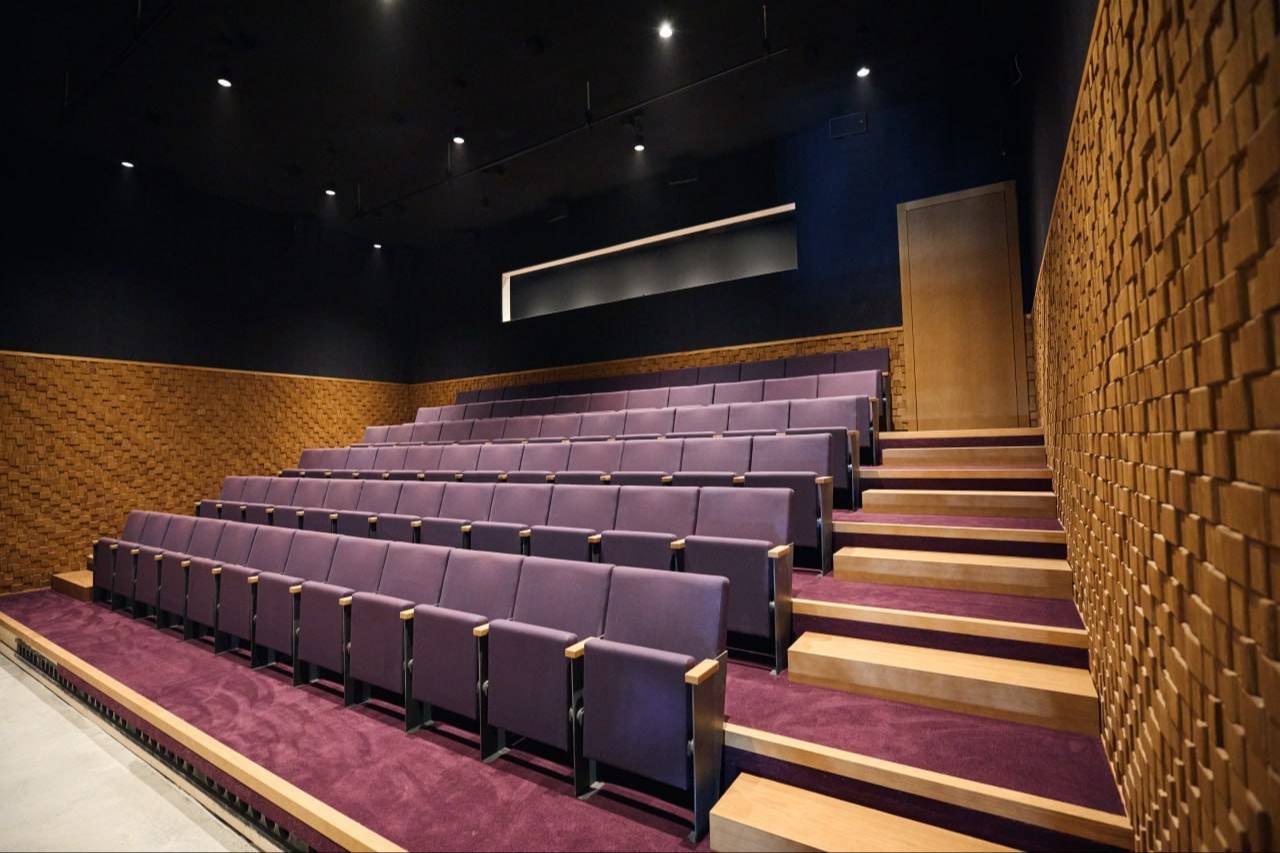
historical heritage with modern infrastructure. The center will feature
exhibition halls, educational and public spaces, a library, and research
infrastructure.
The main
thing is that they not only preserved the history here but also gave it new
content. In the space where energy was once produced, today a new kind of
energy will be created — the energy of creativity, new ideas, art,
and human interaction.
It is
expected that CCA Tashkent will become one of the new cultural attractions not
only in Tashkent but also in Central Asia.
The venue
will host exhibitions of contemporary art, lectures, film screenings, research,
discussions, concerts, performances, and various cultural and educational
events.