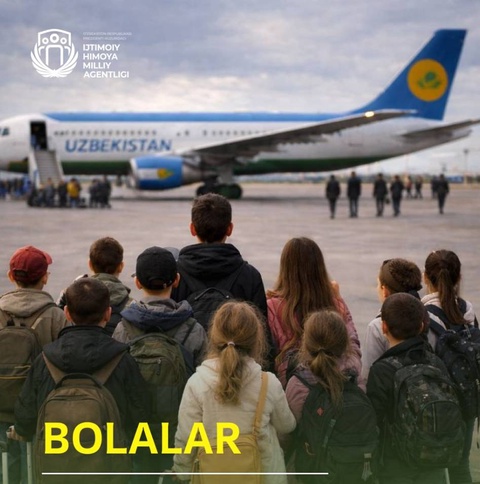

The number of children out of school is increasing, especially in countries where armed conflicts continue.
Today marks World Teachers' Day, established in 1994 to commemorate the signing of the Recommendation on the Status of Teachers, developed in Paris on October 5, 1966. This document was the result of a conference organized by UNESCO and the International Labour Organization.
Euronews recently reported on the shortage of teachers in the report "Europe on the move" on the occasion of the beginning of the 2025/2026 academic year. It is still being felt in many EU countries, especially in France, Portugal and Belgium.
According to the United Nations Children's Fund, in 2024, only 31% of countries had effective teacher training systems, which is less than half of the target of 64%.
The report says that within ten years, the number of children and adolescents who did not attend school amounted to about 272 million people.
According to UNICEF, official aid for education will be reduced by 3.2 billion US dollars. This will lead to an increase in the number of out-of-school children from 272 million to 278 million.
UNICEF estimates that 234 million out-of-school children in countries with armed conflict need support to receive quality education, an increase of 35 million over the past three years.
Of these 234 million children, 85 million do not attend school at all: 52% are girls, 17% are children of refugees or internally displaced persons, and more than 20% are minors with disabilities.
The situation in the Palestinian territories is very serious, where 588 school buildings were damaged or destroyed by June 2025, 538 of them in the Gaza Strip (95.4%) and another 50 in the West Bank.
In Sudan, most school-age children do not attend school. In Haiti, due to rising levels of banditry and civil unrest, more than 1.4 million minors are in dire need of educational support. ru.euronews.com.