
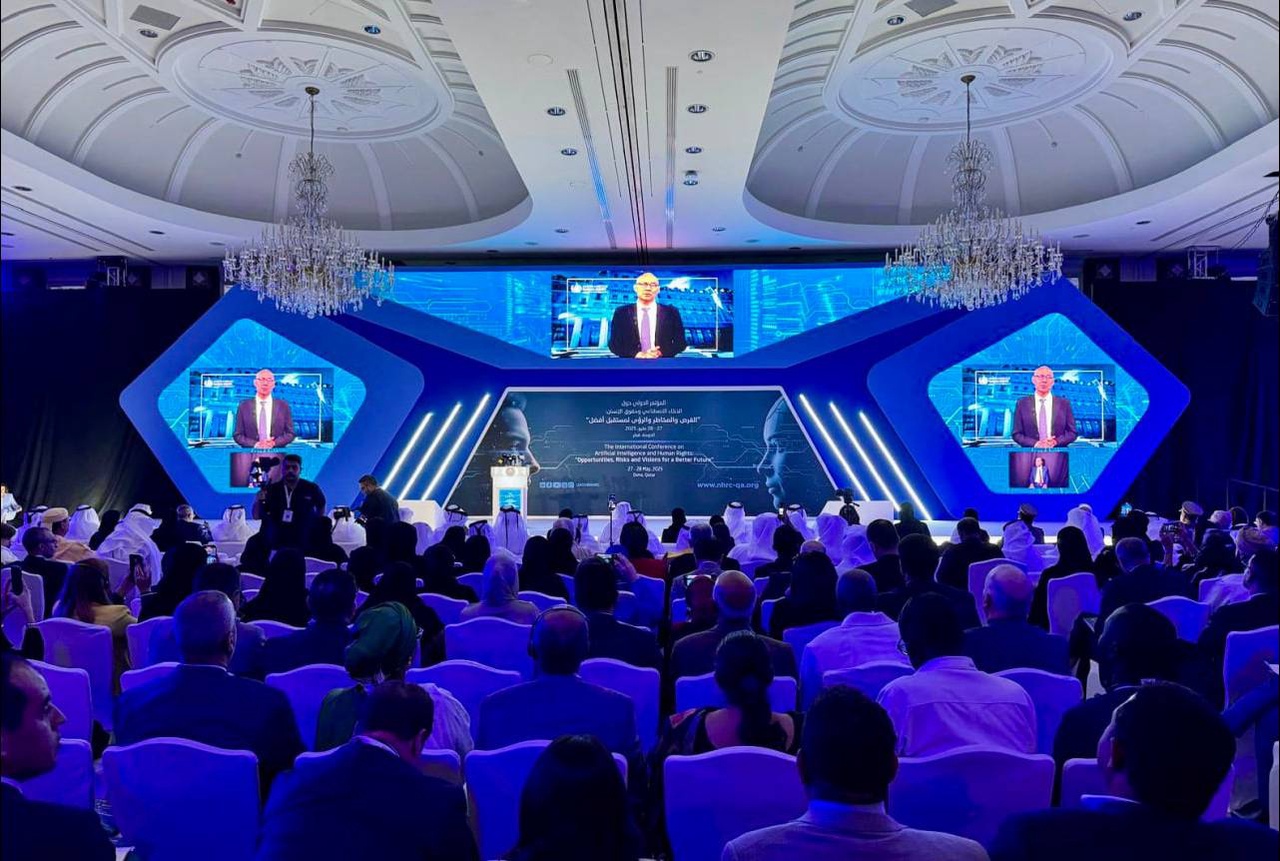
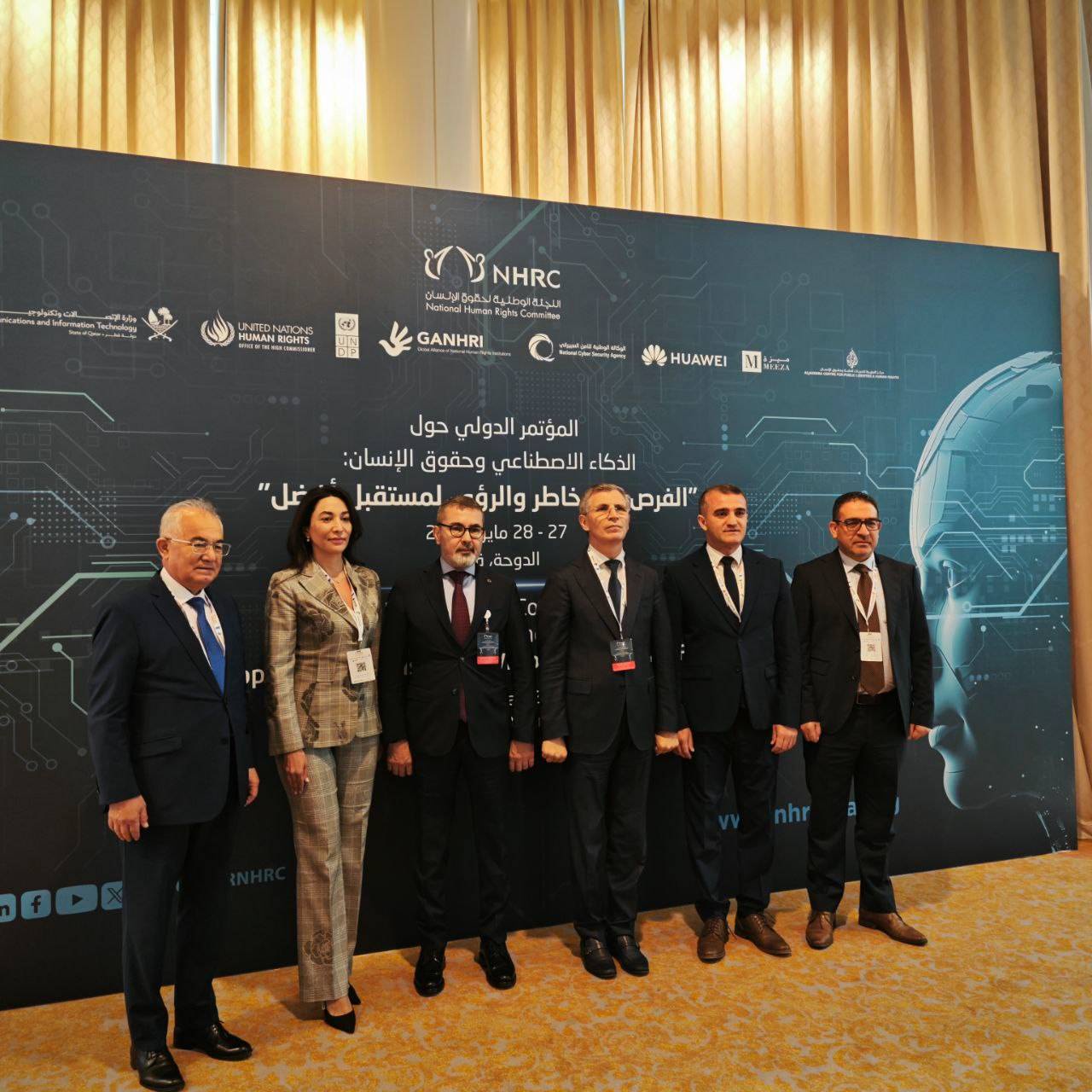
It is organized by the Qatar National Human Rights Committee with the support of the Office of the United Nations High Commissioner for Human Rights, the United Nations Development Program and the Global Alliance of National Human Rights Institutions.
Chairman of the Qatar National Human Rights Committee Maryam bint Abdullah Al-Attiyah, Minister of Communications and Information Technology of Qatar Mohammed bin Ali Al-Mannai, UN High Commissioner for Human Rights Volker Turk, Chairman of the National Human Rights Council Amina Bouayash (Morocco), Chairman of the Arab Parliament Mohammed Ahmed Al-Yamahi, addressed the conference. representatives of the National Cybersecurity Agency and the UNDP.
During the conference, the head of the delegation of Uzbekistan, Director of the National Center for Human Rights, member of the UN Human Rights Committee Akmal Saidova stressed the importance of national experience in the development of artificial intelligence technologies, taking into account the human rights and ethical component.
He noted that Uzbekistan has approved a National Strategy for the Development of AI Technologies until 2030, which, along with technical priorities, focuses on the social and ethical aspects of digital transformation. Among the key areas is the development of AI solutions that help create new jobs, support the education system, and improve digital literacy among the population.
Today, the country is actively implementing national programs aimed at developing IT competencies and digital skills, and the law on artificial intelligence has been adopted in the first reading, which indicates a desire to form a legal framework in the context of accelerated technological development.
The conference gathered in Qatar over 400 participants from more than 70 countries, including representatives of governments, national human rights institutions, international organizations, academic institutions, the private sector, as well as experts in the field of digital technologies and artificial intelligence.
The scale of the event highlights not only the relevance of the topic, but also the growing global interest in developing common approaches to regulating AI in terms of human rights.
The conference focuses on the search for balanced approaches to regulating artificial intelligence (AI) based on international standards in the field of human rights, ethics and sustainable development.
The participation of the Uzbek delegation reflects not only the country's active involvement in the global human rights agenda, but also a consistent foreign policy strategy aimed at strengthening international dialogue, promoting the principles of the rule of law, openness and building an inclusive digital ecosystem. The Uzbek side intends to present national experience and best practices in the field of ethical regulation of AI, digital transformation of state institutions and ensuring human rights in the context of rapid digitalization.
The conference will discuss a wide range of topics, including: ensuring the protection of personal data in the digital space; the impact of AI on democratic processes, freedom of expression and access to information; digital security and human rights issues in the context of defense and intelligence technologies, and others.
The forum's program focuses on the role of national human rights institutions in shaping policies and strategies to ensure that digital solutions comply with international human rights obligations. The delegation of Uzbekistan will also participate in relevant panel and working sessions, presenting national experience in the field of human rights activities in the context of digitalization.
The conference will end on May 28, 2025 with the adoption of the Final Document, which includes recommendations on the observance of human rights in the development and implementation of artificial intelligence technologies.
Press Service
The National Center
Republic of Uzbekistan
on human rights.