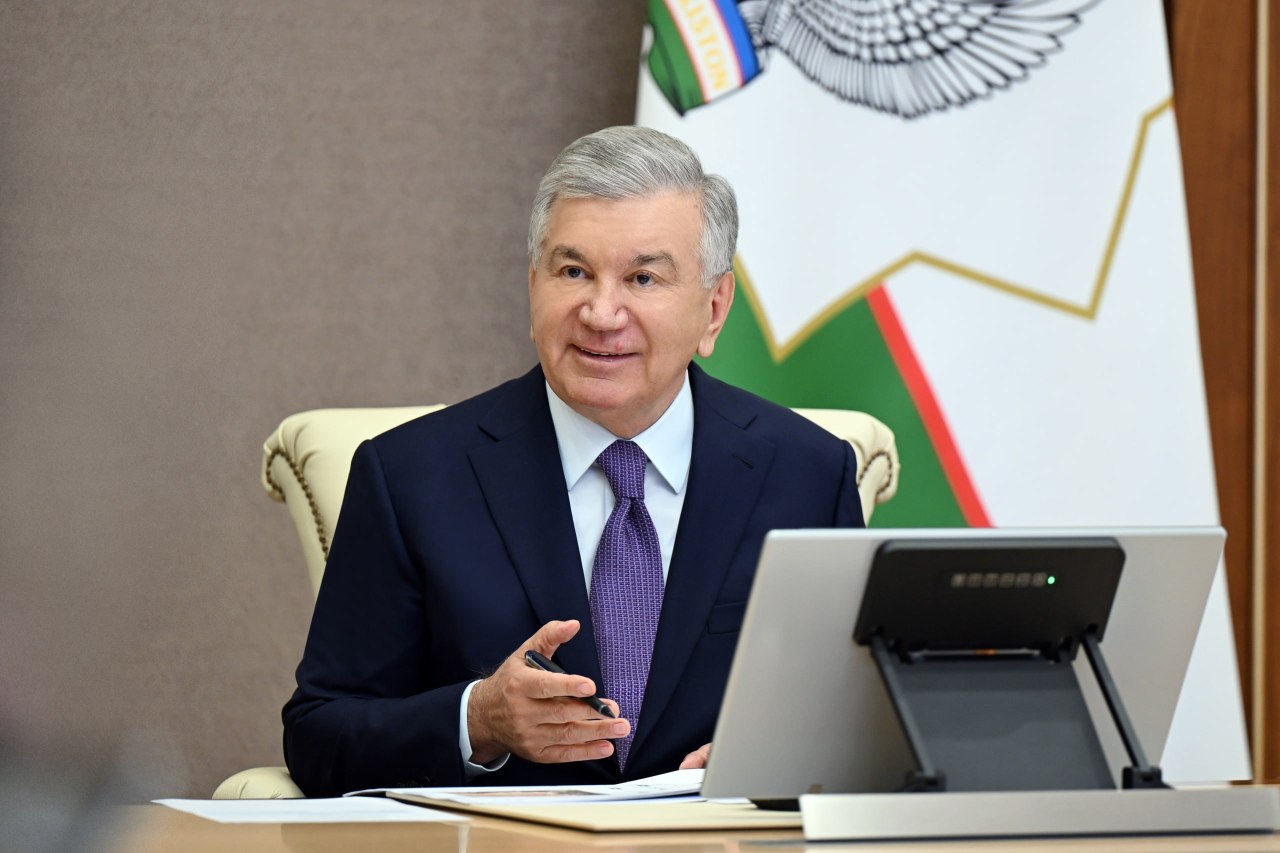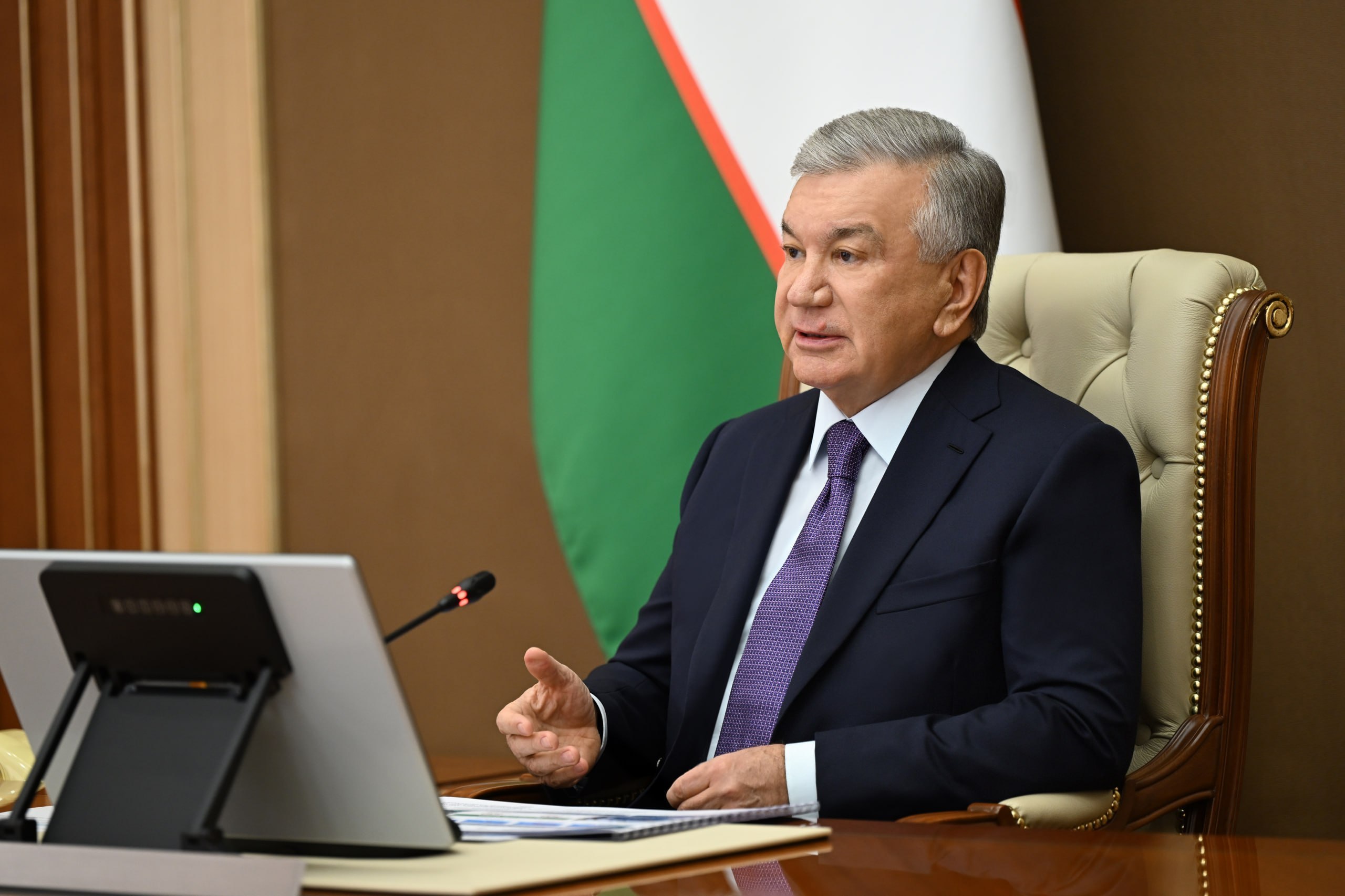

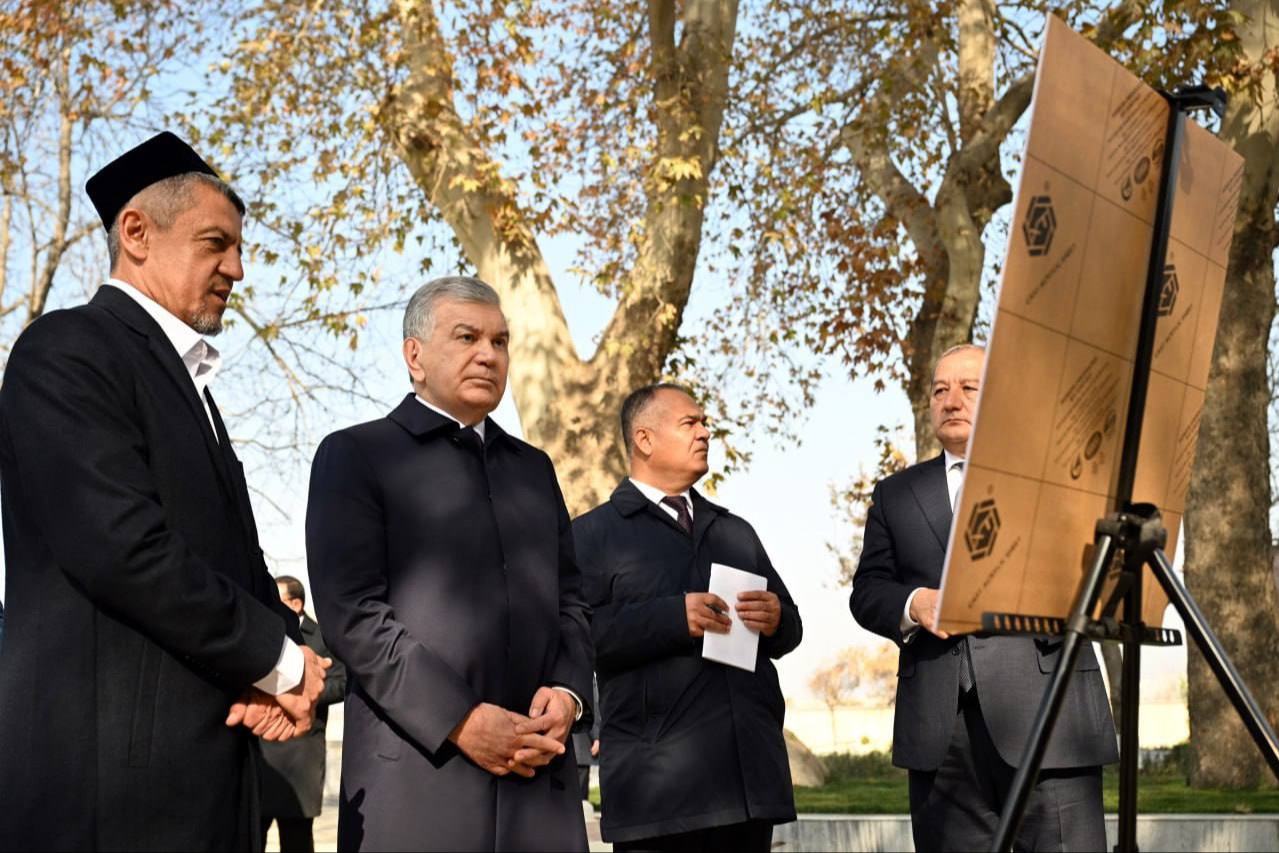
The project to improve the Mahdumi Azam shrine was presented to the Head of State during his visit to Samarkand region in March this year.
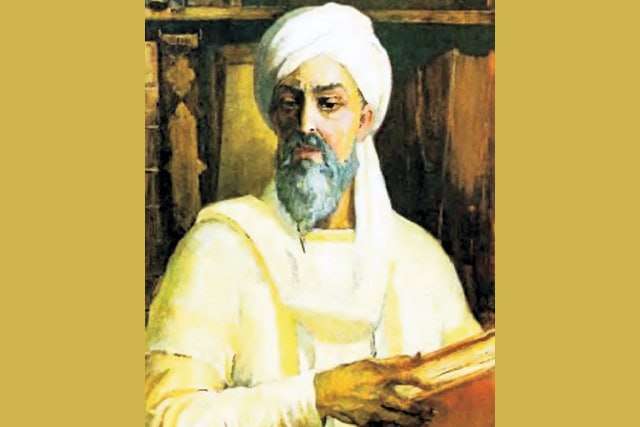
Originally from the present-day Kasansay district, this distinguished Sufi scholar was one of the leading mentors of the Naqshbandi tariqa. Having studied at a madrasa in Fergana in his youth, he achieved the level of spiritual mentor in Samarkand under the guidance of Maulana Muhammad Qazi, a disciple of Khoja Ahrar Vali. He later authored more than 30 works devoted to the science of the tariqa and trained many students.
For his contributions to scholarship, he was awarded the title Mahdumi Azam. After many years of service to enlightenment and spirituality, he found his eternal resting place in Samarkand region.
Yalangtush Bahadur, who ruled Samarkand, erected a funerary mausoleum over the grave of Mahdumi Azam and also built a large mosque and a madrasa for students. Upon his death, he was buried here in accordance with his last will. In total, the shrine contains more than 50 tombstones, most of which have been identified and belong to specific individuals. Alongside numerous scholars, two rulers of Afghanistan were also buried here: Shah Hidayat ibn Shah Qasim (1668) and Shah Saodat ibn Shah Hidayat.
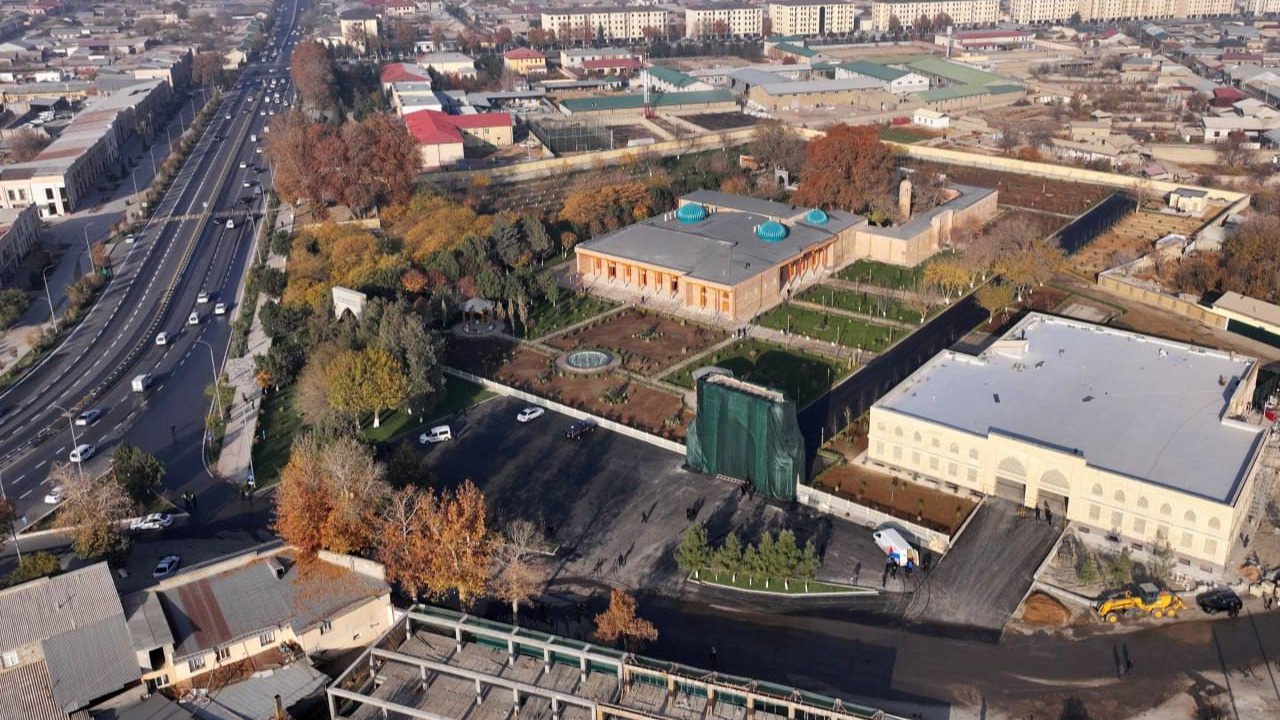
Extensive reconstruction works are being carried out in the mausoleum where the great scholar found his eternal rest.
The total area of the Mahdumi Azam mausoleum is nearly 5 hectares. Numerous pilgrims visit it. To improve conditions for them, a three-story modern parking structure, entrance gates, a dining facility, administrative buildings, ablution facilities, a mosque for 1,000 worshippers, and additional iwans are being constructed next to the mausoleum.
After the reconstruction is complete, the site will be able to accommodate 35,000 pilgrims at once. Previously, conditions allowed for only 5,000 visitors.
In addition, to provide further convenience for pilgrims, landscaping work is underway on the grounds, and more than 40 commercial and service facilities will be established.
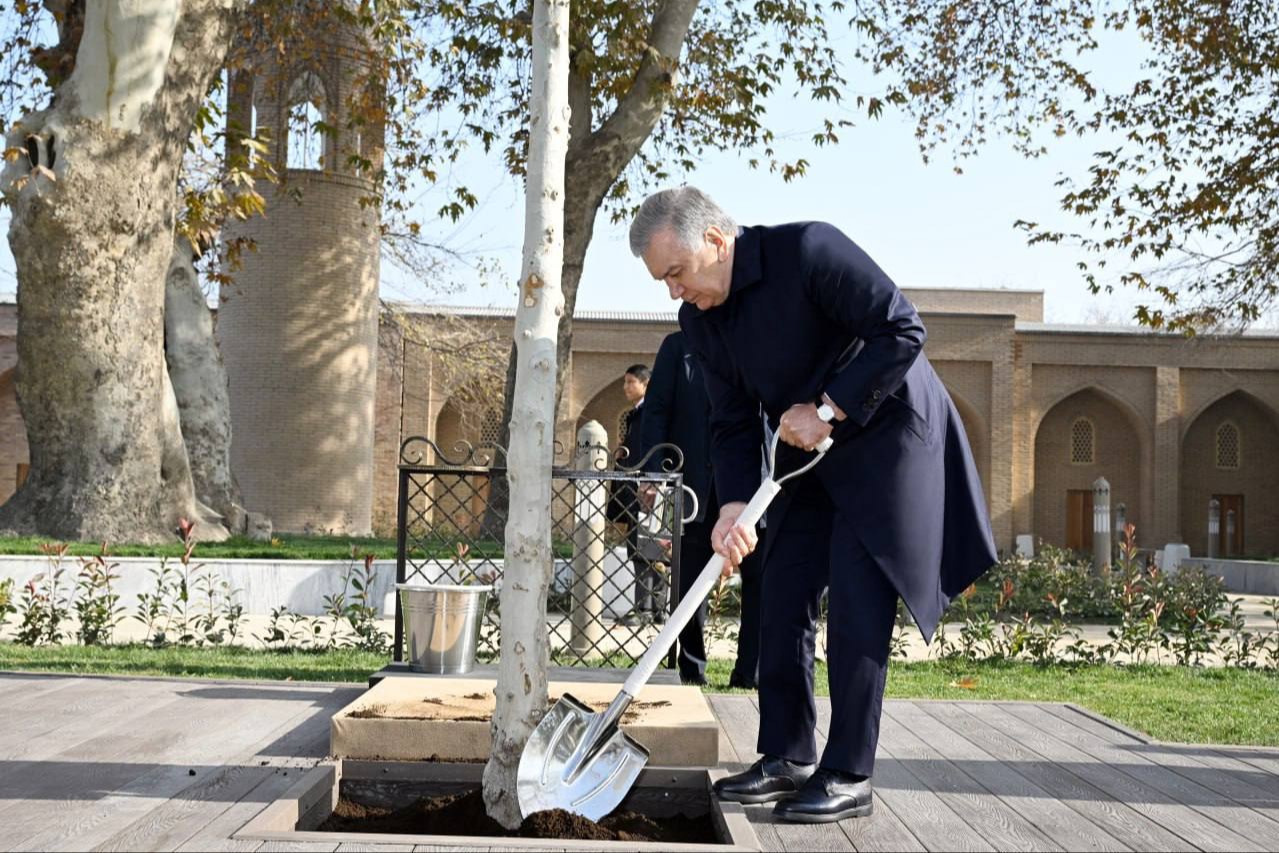
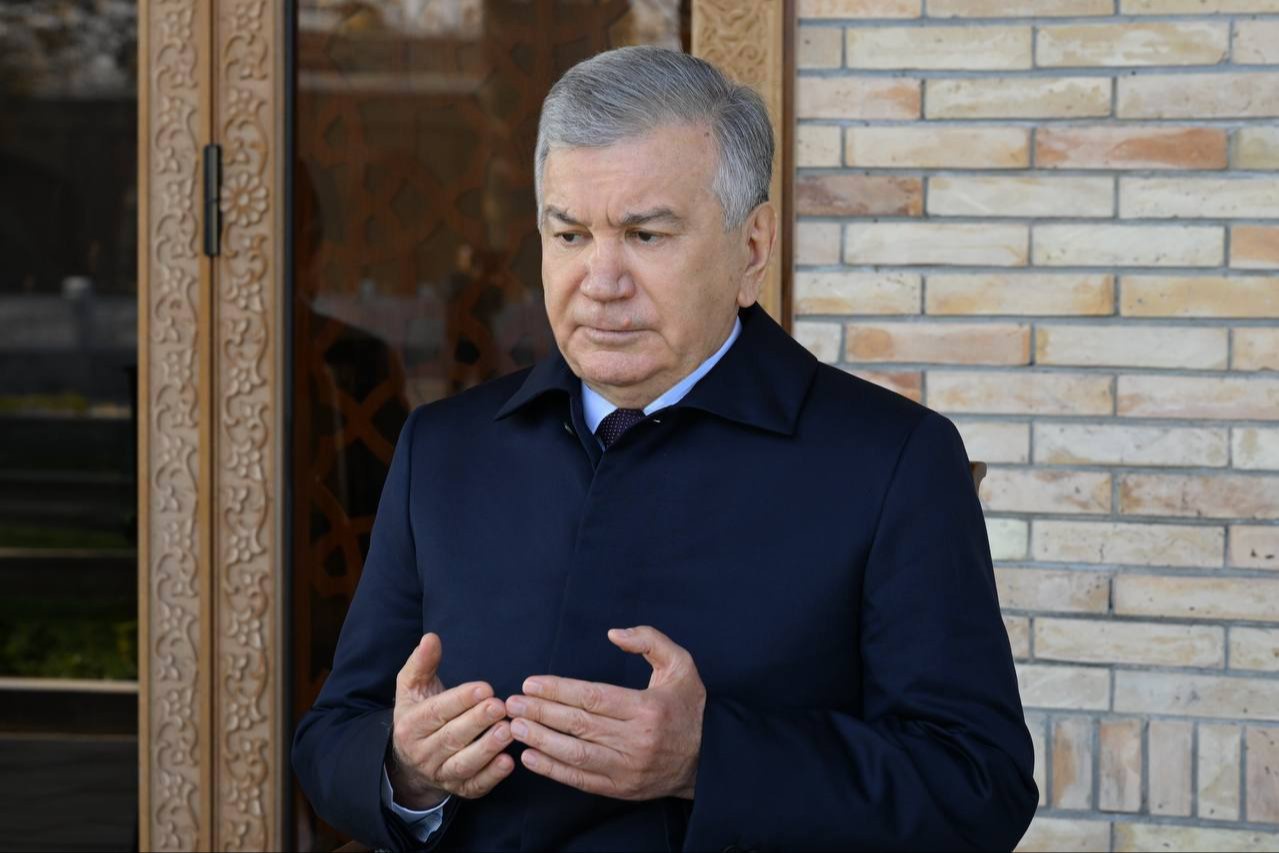
In honor of the great scholar, a prayer was offered, and verses from the Quran were recited. The President also planted a tree on the complex’s premises.
Instructions were given to continue improving the shrine, plant centuries-old trees in the park, and create additional amenities for visitors.