
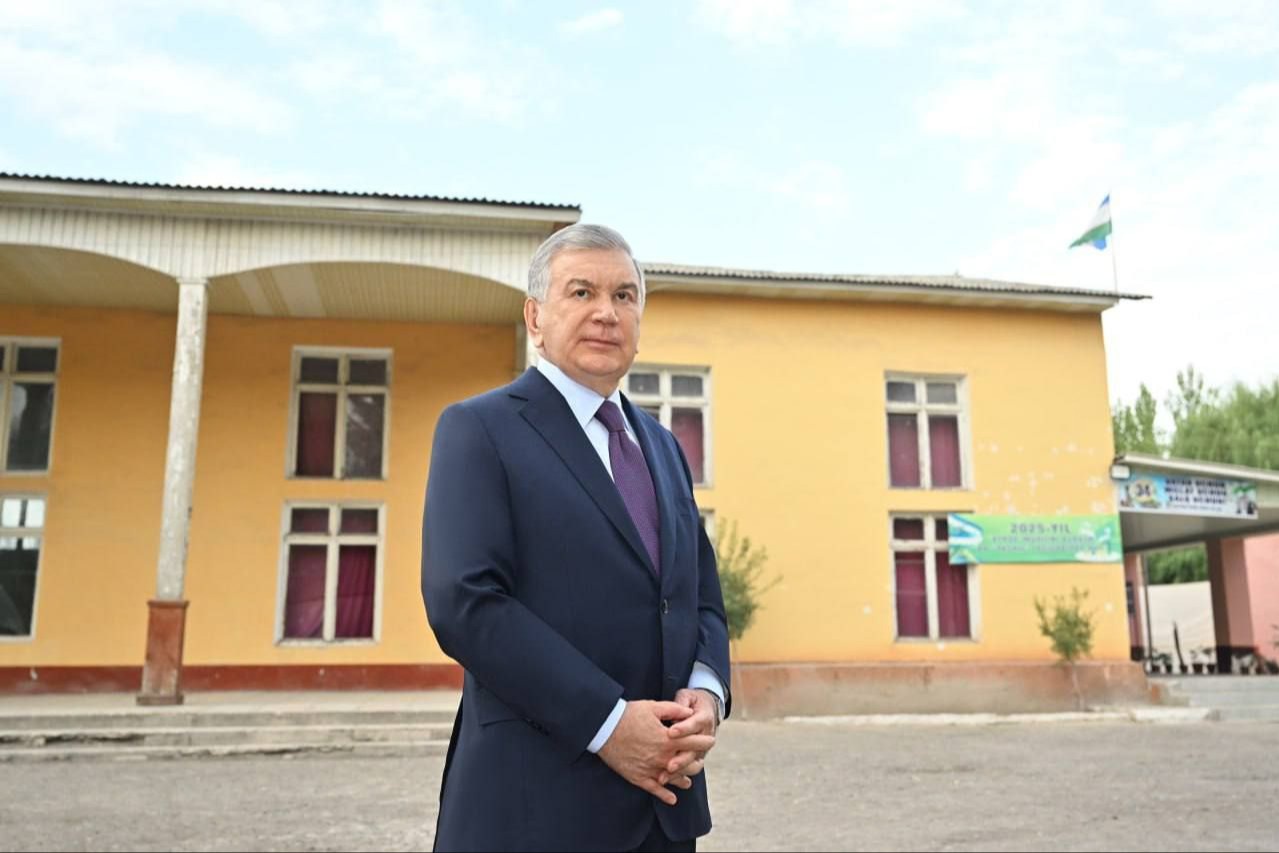
Today, the conditions here are difficult: internal roads require repair, there is no street lighting or storm drainage. More than 5,000 people reside in the mahalla, comprising 62 low-income families, 118 unemployed residents, and 157 individuals working abroad.
At the same time, the mahalla’s location along an inter-district road offers wide opportunities for the development of entrepreneurship, trade, and services. Vacant buildings can be effectively utilized under public-private partnership principles.
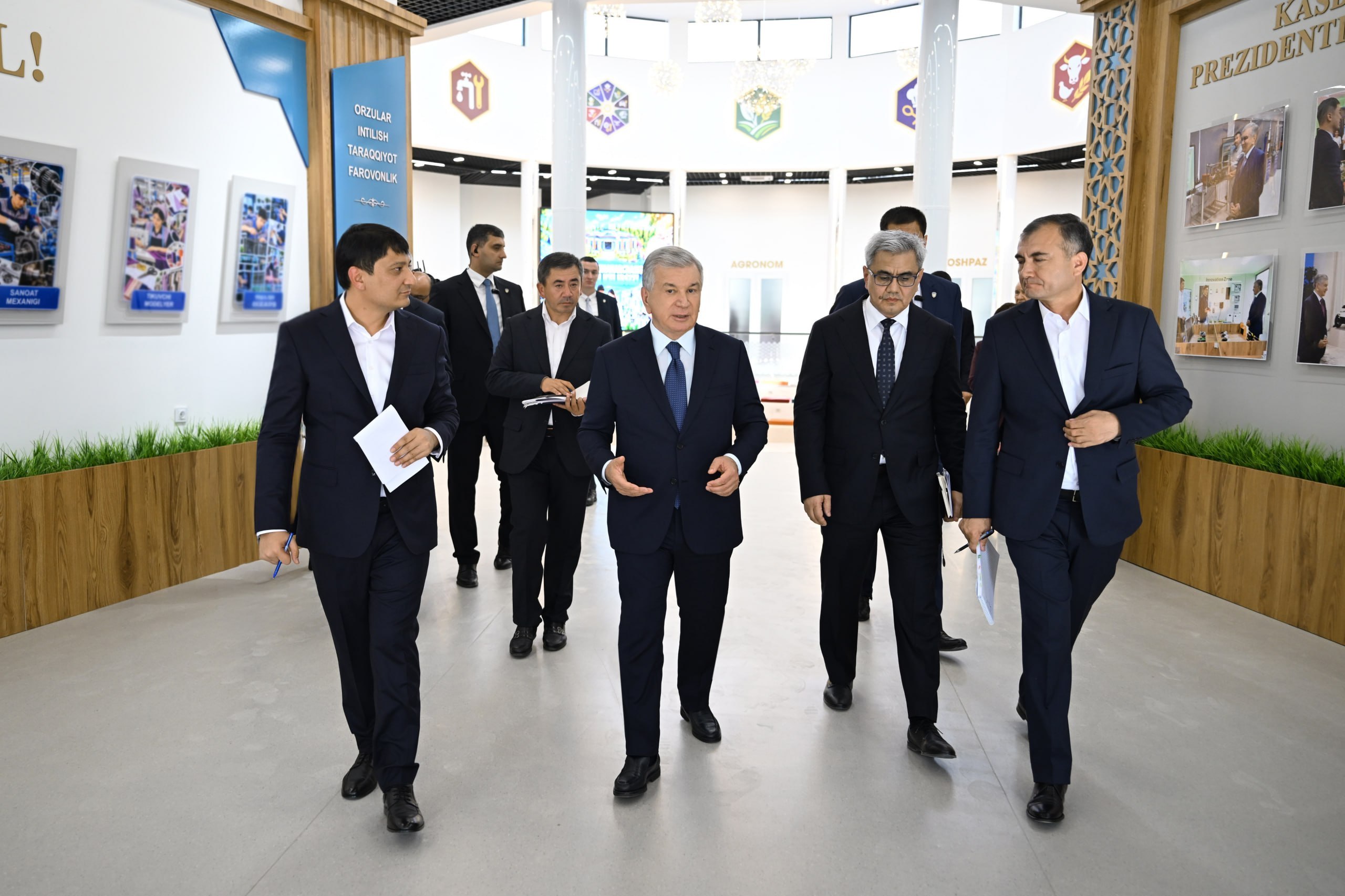
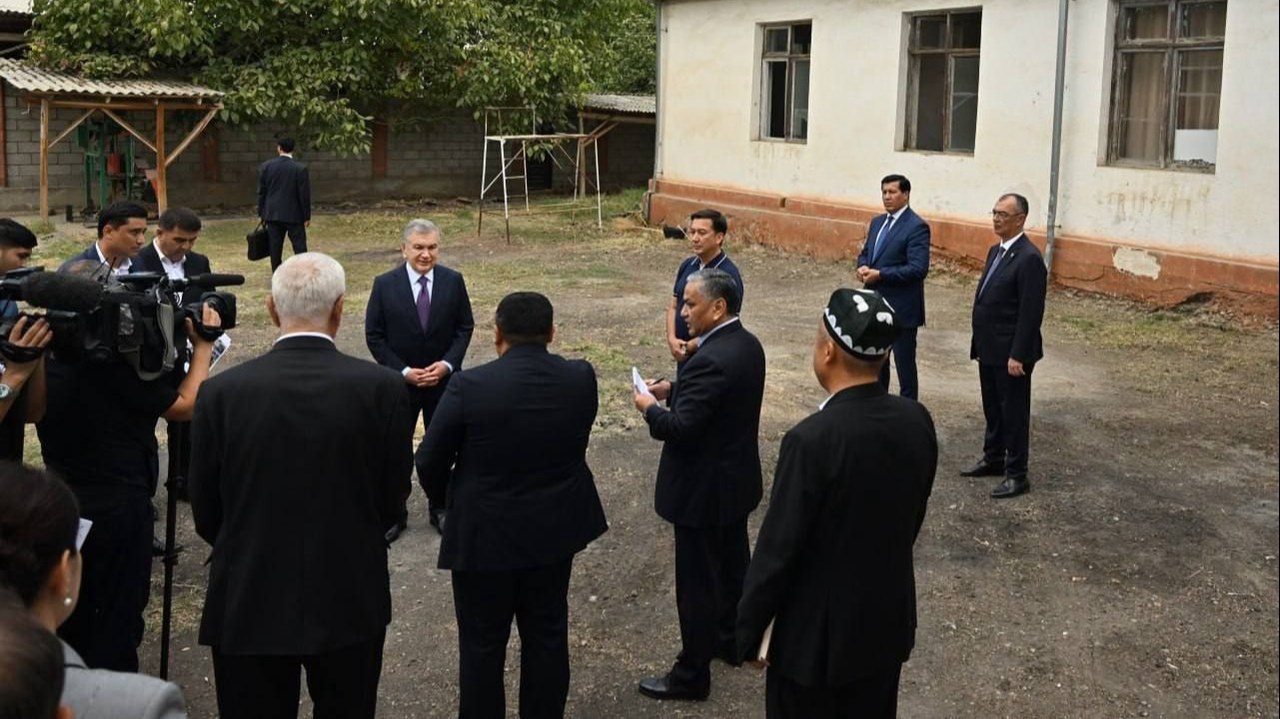
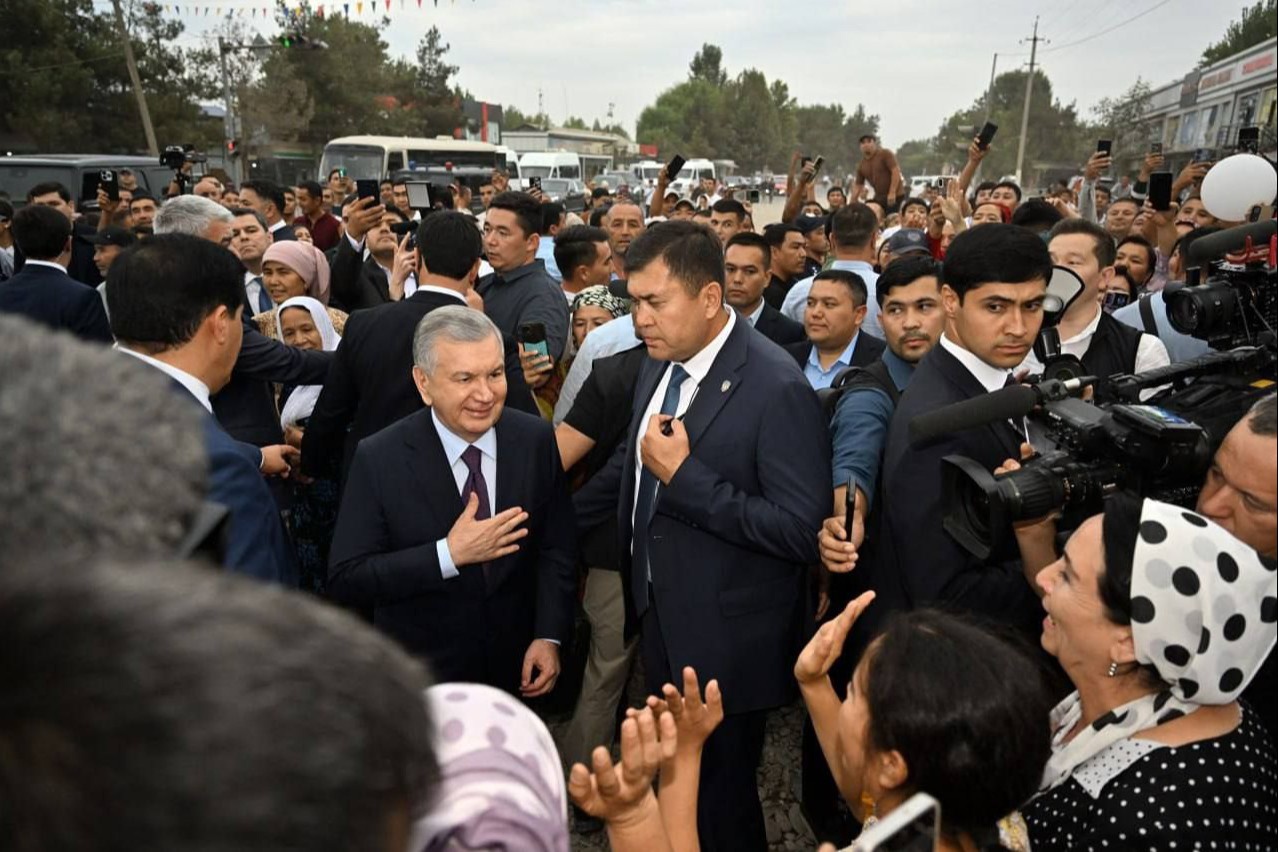
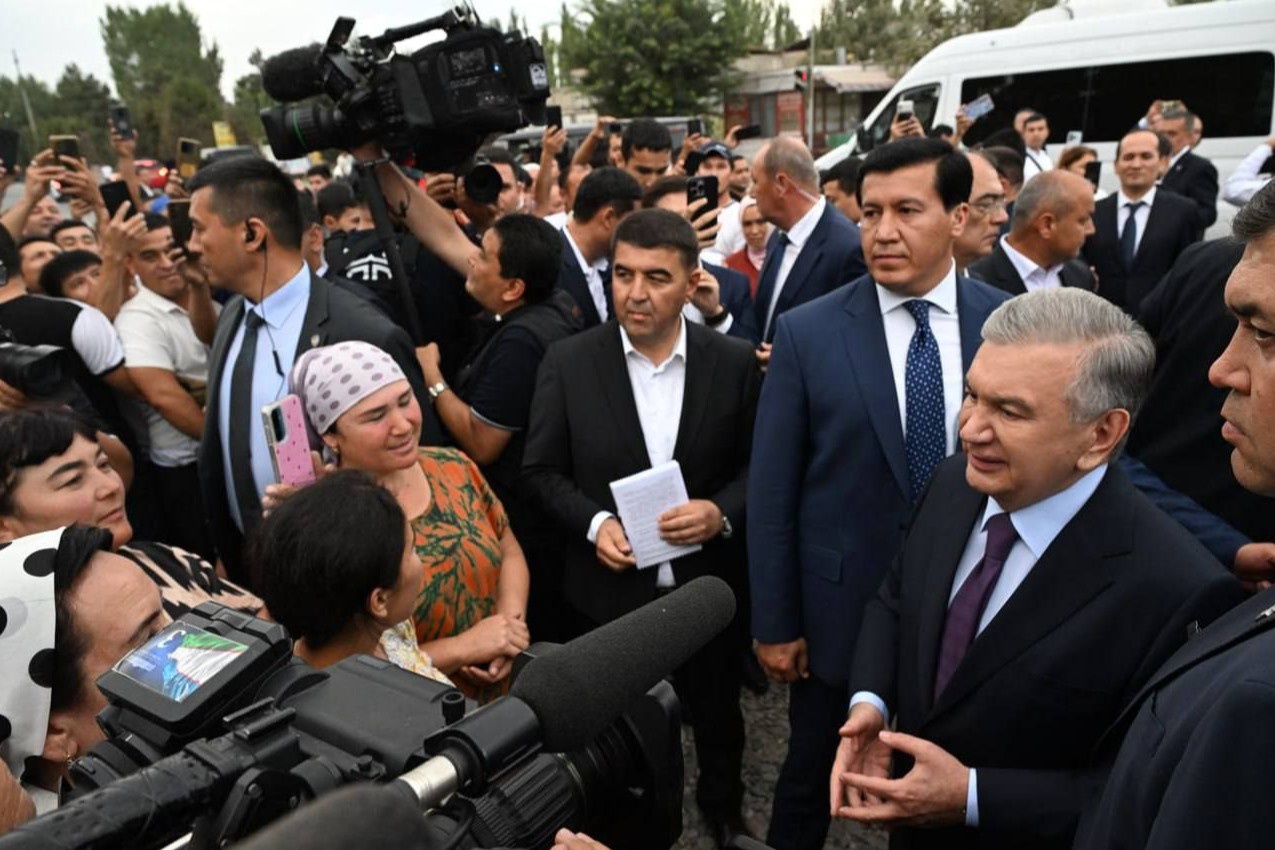
The Head of State carefully listened to the opinions and proposals of residents regarding the problems of the mahalla.
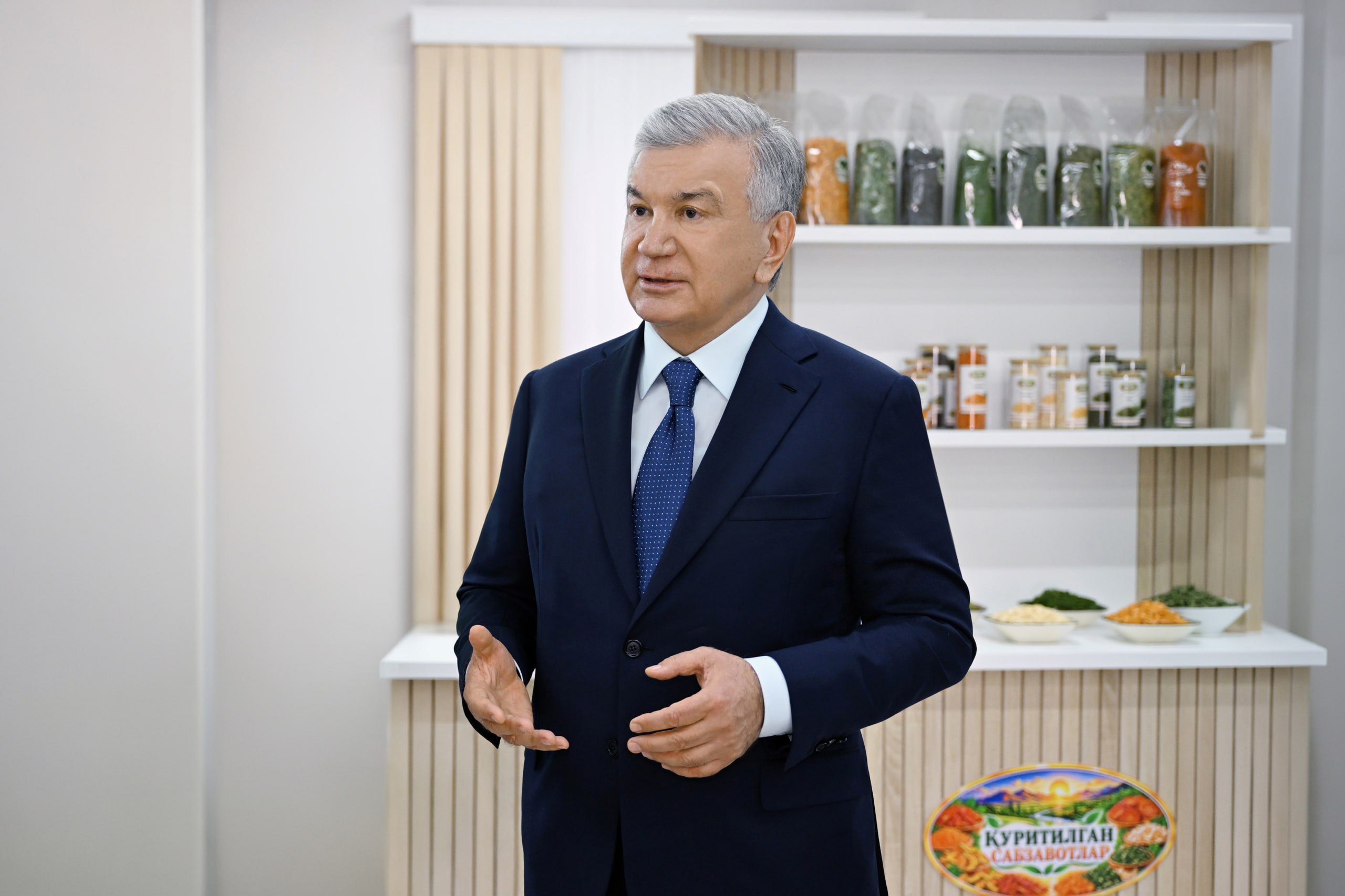
“We will radically transform this mahalla and bring here the spirit of the New Uzbekistan. Streets will be improved, and the appearance of the settlement will be renewed. People will gain decent conditions for living, walking, and relaxing with their children”, the President emphasized.
Instructions were given to responsible officials to turn the mahalla into a model community. In particular, a master plan will be developed for the mahalla to create a modern urban environment and favorable conditions for entrepreneurship. Based on this, plots will be offered to proactive residents along with ready-made projects and the necessary infrastructure. As a result, the potential of the mahalla will increase significantly, and it will become a development center for five neighboring mahallas.
A modern mahalla center and a walking area will be built here, along with children’s and sports playgrounds, a library, vocational training and foreign language centers, as well as a bank branch. The school and kindergartens will undergo major renovation under the state investment program. Streets will be asphalted, and decorative and fruit trees, as well as flowers, will be planted. Old, low-yield orchards will be replaced with new ones. Residents will improve their homes under social contracts.
Overall, it was emphasized that a resolution is being prepared to intensify grassroots-level work nationwide. A total of 5 trillion UZS will be allocated from the state budget to give a new appearance to districts and mahallas. In particular, Kasansay and Norin districts of Namangan region will each receive 100 billion UZS, while two “difficult” mahallas in each of the other districts will be allocated 5 billion UZS each. These measures will enable them to be developed sustainably.