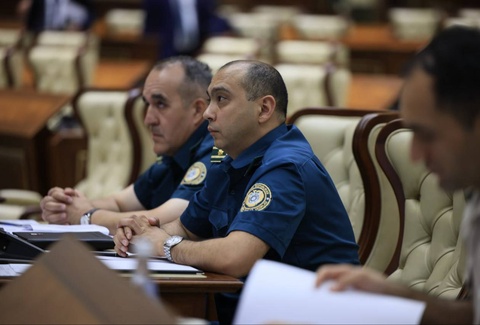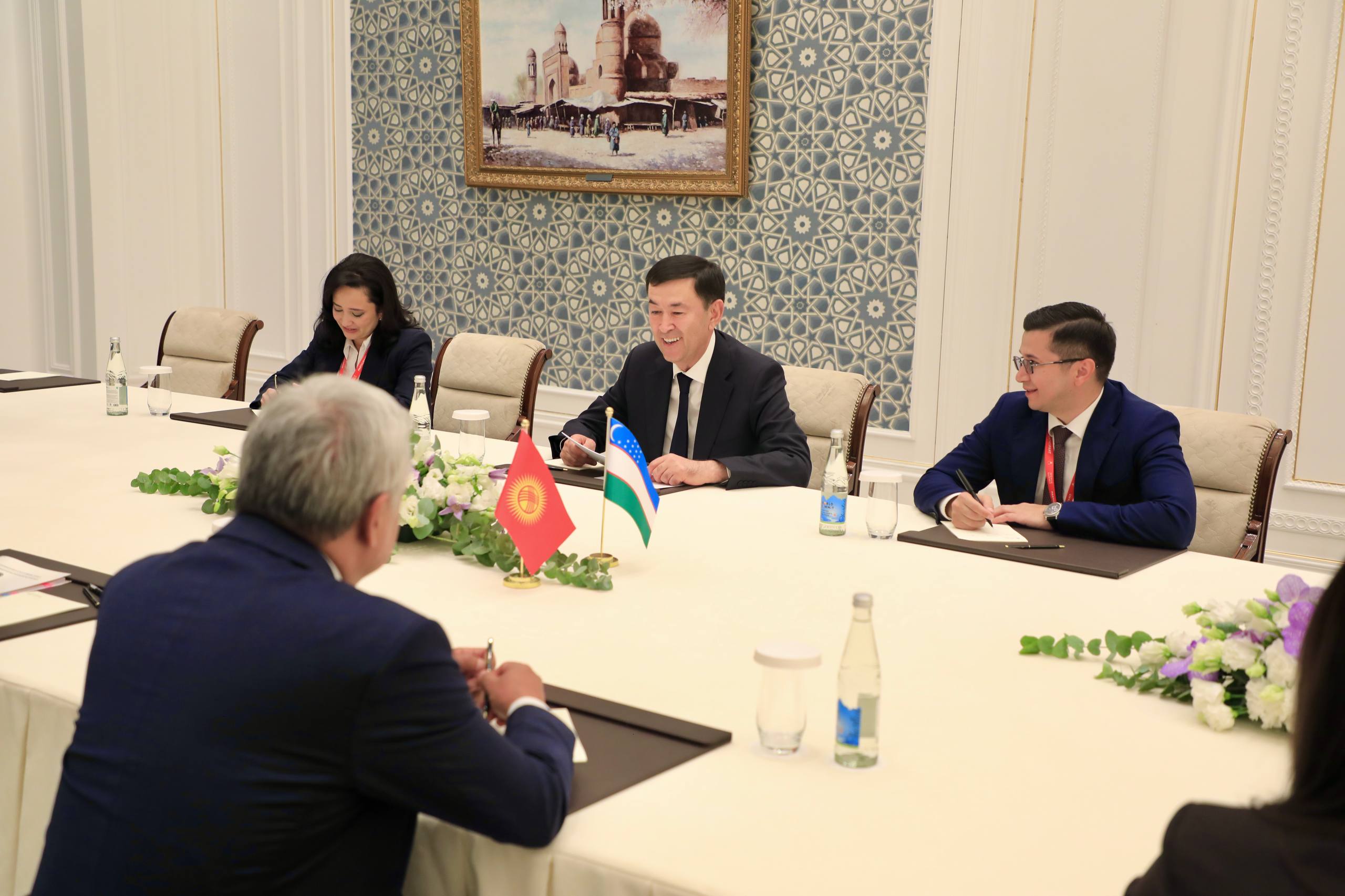

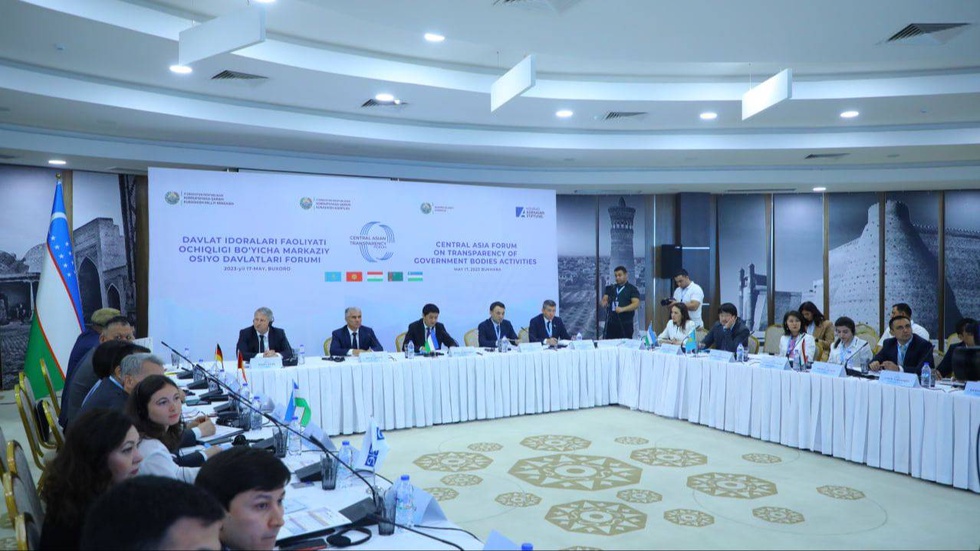
The Forum has become an effective platform for studying best practices in ensuring the openness of the activities of state bodies and organizations, which is important in the life of society and the state, analyzing existing problems and making important decisions that are crucial in this process.
Chairman of the Senate of the Oliy Majlis, Chairman of the National Anti-Corruption Council Tanzila Narbayeva in a video message to the forum participants noted that in the fight against a problem equally relevant to all countries of the world, namely corruption, any government and society can achieve serious results only if they have a sincere desire and desire to completely eradicate corruption and, what is very important, to be open in this regard for your people.
- Taking into account these factors, thanks to the firm state policy of intolerance towards corruption, comprehensive organizational and legal measures aimed at preventing and combating this evil have been taken over the past 5-6 years. A number of regulatory legal acts have been adopted, as well as a state program to combat corruption. The law on strengthening responsibility for corruption crimes in the Criminal Code, which was approved by the Senate, can be cited as a serious step towards fulfilling these tasks. Of course, the process of effective implementation of such important documents in practice poses important tasks for the Parliament, the Chairman of the Senate stressed.
During the forum, international experts from countries such as France, Germany, Slovenia and Argentina will also share their experience and best practices in ensuring the openness of the activities of state bodies.
At the forum, Deputy Chairman of the Senate Committee on Information Policy and Transparency in Government Agencies F.Bokiyev emphasized the work carried out in Uzbekistan to ensure the openness of the activities of state bodies and organizations.
In particular, systematic work has been carried out in the country to ensure freedom of the press, openness and publicity, strengthen public control over the activities of state authorities and management, support the activities of the media, and reform the information sphere.
Today, over 2 thousand people operate in the republic. Mass media, the number of online publications in the national information space has almost doubled over the past 6 years. An Open Data page has been created on the official websites of government agencies and organizations at all levels, and the practice of regularly publishing 35 types of socially significant information has been introduced.
At the same time, measures are being taken to prevent corruption and conflicts of interest in the public service, to report conflicts of interest, to create mechanisms for disclosure of such information, to ensure openness, transparency and impartiality in this matter.
At the end of the event, the participating States will put forward a number of recommendations and proposals for further systematic continuation of work to strengthen consistent cooperation and ensure openness, on the basis of which an agreement was reached on the organization of activities in this direction.