

The aim of the project is a comprehensive assessment of the eating habits and diet of the population, including knowledge, behavioral attitudes and objective medical indicators that affect health.
The study is based on the international KAP Survey methodology (assessment of knowledge, attitudes and practices), and also includes anthropometric measurements, clinical and medical examinations, collection of biochemical data and study of the health history of respondents. More than 13,000 households across the country have already participated in the project.
Modern medical science recognizes nutrition as one of the key factors determining the quality of life and resistance to chronic non-communicable diseases. According to available data, the vast majority of cases of health deterioration are related to lifestyle, including an unbalanced diet and insufficient physical activity. An analysis based on STEPS data from the World Health Organization for 2014 and 2019 revealed certain negative changes. During this period, the proportion of salt consumers increased from 15.6% to 36.6%, the proportion of people who do not receive the recommended amount of vegetables and fruits amounted to 67.2%, and the number of overweight and high blood pressure people it has increased noticeably. These trends highlight the importance of moving towards healthier eating patterns. Poor nutrition can be accompanied by metabolic disorders, including an increase in blood sugar and cholesterol levels, which negatively affects the general condition of the body and increases the burden on the healthcare system.
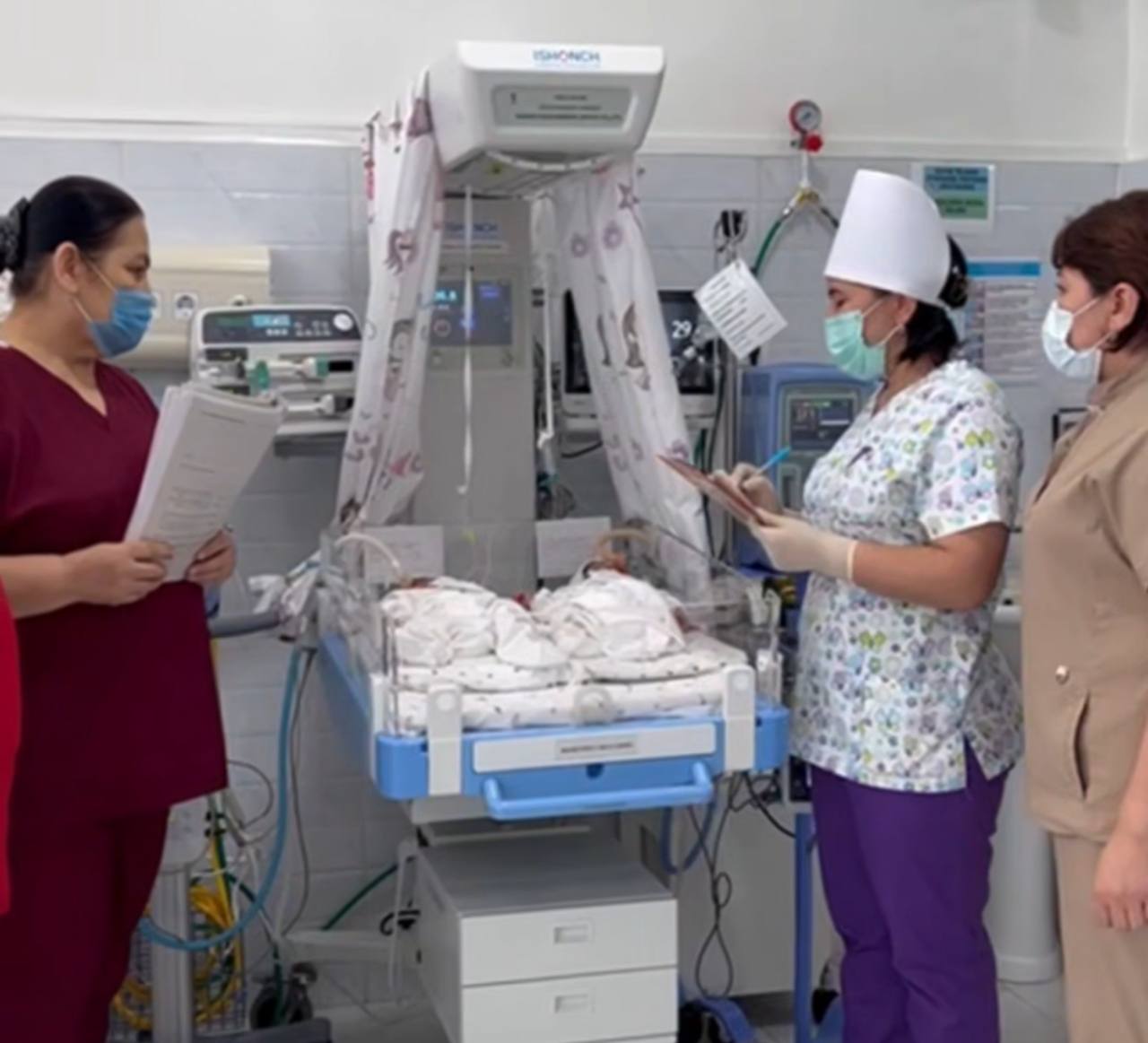
The study collects data on 5 main areas, including the level of knowledge and practice of the population on nutrition, anthropometric indicators (height, weight, body mass index), biochemical parameters (sugar, cholesterol, trace elements), clinical health status, as well as individual and family history, including social and living conditions. These data will make it possible to assess the level of awareness of the population about the principles of healthy eating, the prevalence of conditions such as overweight and malnutrition, identify the influence of social and behavioral factors, and take into account regional peculiarities.
The information collected will become the basis for the development of national programs and initiatives aimed at improving nutrition quality, disease prevention, preparation of targeted information campaigns and improvement of legislation in this area. Such research in international practice plays an important role in shaping the approach in the field of public health. They allow you to track changes in the diet, evaluate the effectiveness of previously taken measures, adjust approaches and achieve sustainable results.
Thus, the assessment of the current nutritional status in Uzbekistan is becoming more important. This is the first step towards the formation of a comprehensive, scientifically based system aimed at improving public health and improving the quality of life.