
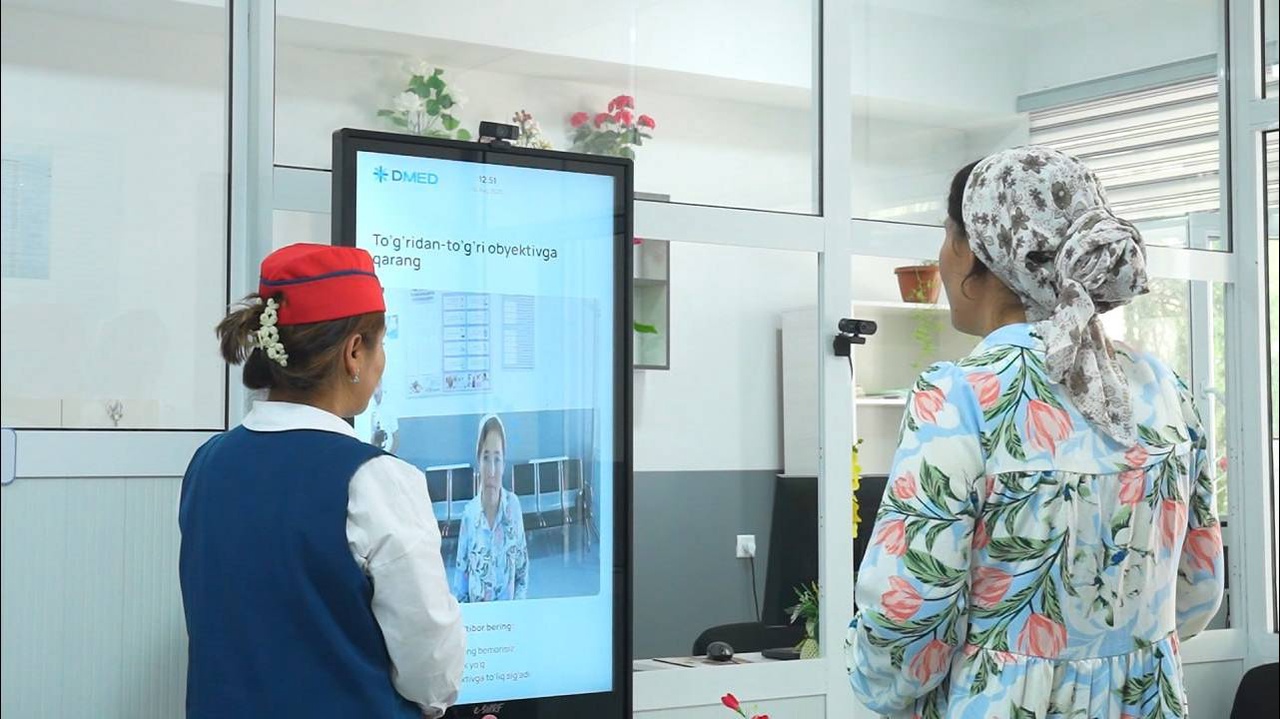


According to the Ministry of Health, the medical data of more than 36 million citizens has already been entered into the system's database, on the basis of which unified electronic medical records (MED-IDs) have been formed. These cards allow every resident of the country to receive medical care in any institution without having to re-issue documents.
In addition, over 400 diagnostic protocols and treatment standards have been implemented in 40 clinical areas, which contributes to improving the quality of diagnosis and treatment.
In accordance with the instructions of the President, the Electronic Prescription system has been introduced in the Yunusabad district of Tashkent in a pilot mode, which makes it possible to eliminate the turnover of counterfeit, low-quality and counterfeit medicines.
As a result of the integration of the DARMON and DMED information systems, an automatically updated electronic list has been created, including more than 3,100 names of prescription and non-prescription medicines.
More than 20 public and about 200 private medical institutions, as well as 190 pharmacies in Yunusabad district, have already been connected to the DMED system. Doctors are now writing prescriptions electronically for international nonproprietary names of medicines, which has reduced cases of over-prescribing by 40%.
Based on the successful experience of Yunusabad district, pharmacies throughout the republic are gradually joining the system. To date, more than 8,000 pharmacies, or about 66% of their total number, have already been covered by the new system.
The implementation of digital solutions has also made it possible to eliminate more than 70 types of paper magazines, forms and certificates, thereby reducing the burden on doctors by 30%.
Now laboratory tests are generated automatically within 3-5 minutes, and the results are available to patients electronically within 24 hours.
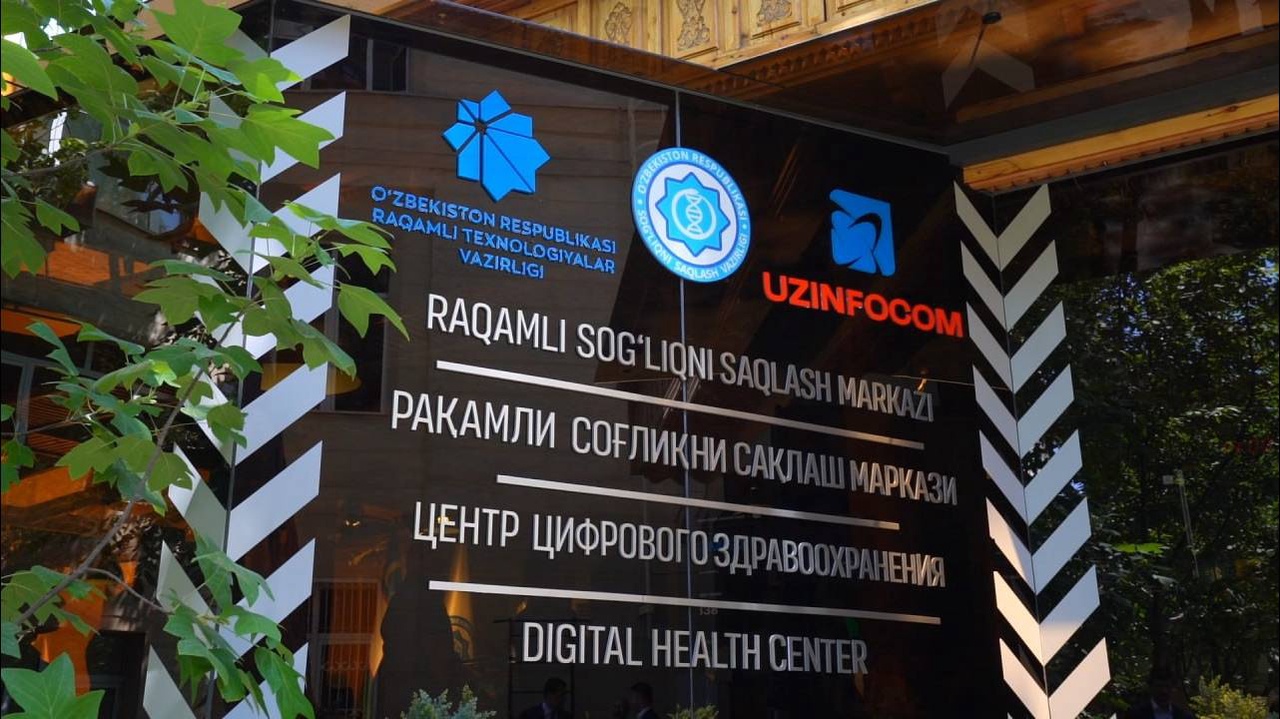
The creation of the Digital Healthcare Center under the Ministry of Health has opened up new opportunities for collecting, processing and analyzing reliable information from all medical institutions in the country. The Center provides data transparency, analytical decision support, and quality control of services provided.
In addition, the system has automated accounting of the activities of more than 560,000 healthcare workers, which makes it possible to effectively control the personnel load and resource allocation.
Also, 28 types of certificates that were previously issued exclusively on paper have been transferred to electronic format. This made it much easier for citizens to receive them and completely eliminated the influence of the human factor.
Representatives of the Ministry of Health note that these reforms contribute to the creation of a modern, transparent and human-centered healthcare system. The purpose of the innovations is to provide the population with high-quality medical services at the level of international standards, increase public confidence and make the field of medicine more convenient and open.