
The event is organized within the framework of the International Year of Pastures and Pastoralists (IYRP 2026), proclaimed by the UN General Assembly.
Pastures are the most important ecological territories. Globally, they occupy 54 percent of the land and serve as a source of livelihood for more than 200 million pastoralists. In Uzbekistan, the area of pastures exceeds 21.1 million hectares, which is about 47-50 percent of the country's territory. At the same time, 40-50 percent of existing pastures are subject to various levels of degradation, and the livestock load in some areas is estimated to be twice the natural capacity of pastures.
For Uzbekistan, which has vast desert and foothill territories, the camel farming sector is one of the promising areas for the development of climate-sustainable livestock production, supporting rural employment and strengthening local value chains. According to the materials of the event, there are currently 17.6 thousand heads of camels in the republic. The main part of them is concentrated in the Bukhara region - 7.8 thousand heads (44.3 percent), the Navoi region - 4.2 thousand heads (24.1), the Republic of Karakalpakstan - 2.1 thousand heads (11.9) and the Kashkadarya region - 1.4 thousand heads (8.1).
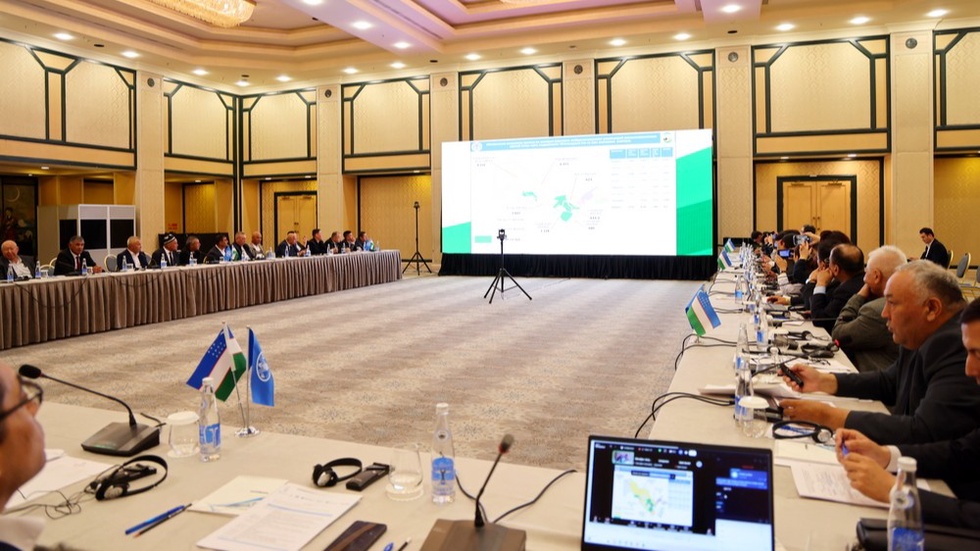
During the event, participants discussed the current state of pastures in Uzbekistan, the current situation and prospects of camel farming, the application of the value chain approach in this sector, as well as international experience. In accordance with the program, the signing ceremony of the project document, the screening of thematic videos and discussions with the participation of national and international partners took place. The sessions were attended by representatives of the Ministry of Agriculture of the Republic of Uzbekistan, the Committee for the Development of Veterinary and Animal Husbandry, FAO and international experts.
As part of the event, the Ministry of Agriculture of the Republic of Uzbekistan and FAO signed a project document on the project "Support for the development of camel breeding and production in Uzbekistan". In addition, 15 livestock breeders and industry specialists were awarded the badges "Uzbekiston Republikasi Chorvachilik fidoisi" for their contribution to the development of animal husbandry and veterinary medicine, many years of dedicated work and practical experience.
The project aims to strengthen food security and climate change resilience in drylands through the sustainable development of the camel farming sector. It provides for improving breeding work, increasing productivity, strengthening institutional capacity, as well as preparing an evidence base and recommendations for the development of a National Camel Strategy. As noted in the presentation materials, single-humped camels of the Arvana (Dromedary) breed and double-humped camels of the Kazakh Bactrian breed are mainly bred in Uzbekistan. The Arvan breed can produce an average of 12 liters of milk per day and up to 3.5 thousand liters per lactation, whereas the Kazakh Bactrian breed has these indicators of about 7 liters and 1.2 thousand liters, respectively.
The event has become an important platform for the more systematic development of camel farming in Uzbekistan, strengthening cooperation between stakeholders and better linking the potential of pastoral livestock production with sustainable agriculture and agri-food systems.