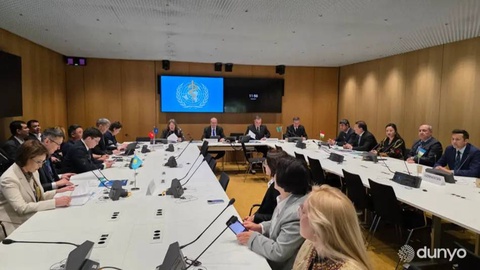

This was reported on Tuesday by the World Health Organization (WHO).
Influenza and other respiratory viruses are now actively spreading, Wenqing Zhang, head of the Global Respiratory Threats Unit at the WHO Department for Epidemic and Pandemic Threat Management, told reporters in Geneva. According to her, the current season is characterized by the appearance and rapid spread of a new variant of the AH3N2 virus. It was first recorded in August in Australia and New Zealand and has since been detected in more than 30 countries, she noted.
"The available epidemiological data do not indicate an increase in the severity of the disease, although this genetic shift represents a significant stage in the evolution of the virus," Zhang said. Flu viruses are constantly changing, she explained, which is why the composition of flu vaccines is regularly updated.
"WHO monitors these changes, assesses the risks to public health associated with them, and develops recommendations on vaccine composition twice a year through the Global Influenza Surveillance and Response System (GISRS), which has been in operation for many years, in collaboration with other global experts," Zhang stressed.
The new variant was not included in the vaccines produced for the current flu season in the Northern Hemisphere, the WHO expert said. However, "early evidence suggests that current seasonal vaccines still provide protection against severe disease and reduce the risk of hospitalization," she added.
According to WHO estimates, about one billion cases of seasonal influenza are reported worldwide each year, including up to five million cases of severe respiratory diseases. Up to 650,000 deaths per year are associated with respiratory complications caused by seasonal flu. news.un.org.