
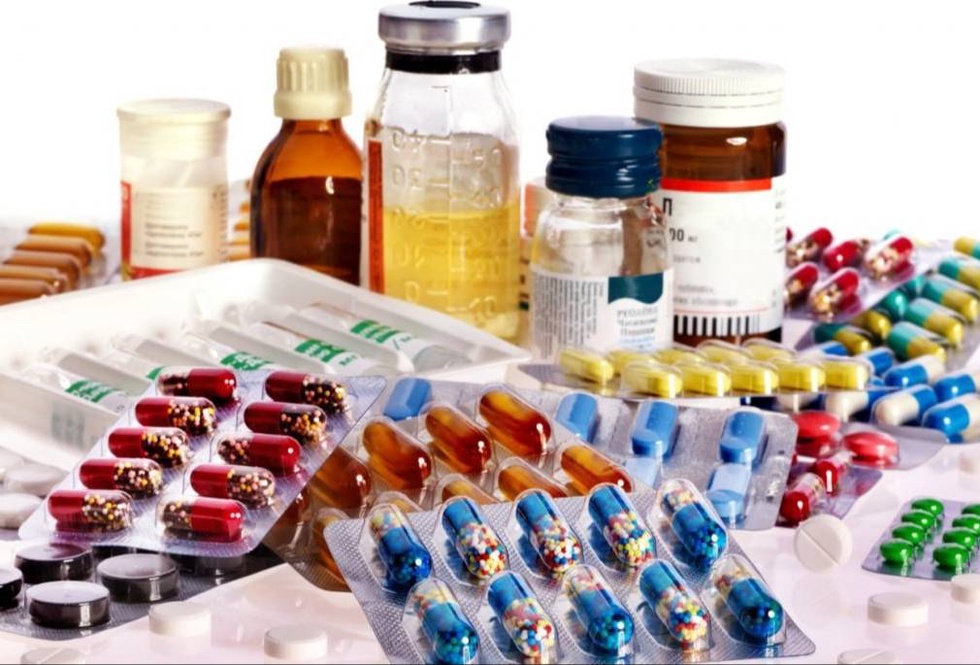
According to experts, the resistance of pathogens to drugs increases annually by an average of 5-15 percent. The main reason for this growth is considered to be the excessive and improper use of antibacterial agents in both medicine and agriculture.
Of particular concern is the increasing resistance of widespread bacteria. About 40 percent of Escherichia coli strains and over 55 percent of Klebsiella pneumoniae bacteria no longer respond to antibiotics, which are commonly used in the treatment of urinary tract infections, blood and digestive system diseases.
Some types of infections are already demonstrating resistance to all available drugs at once. Bacteria such as salmonella, Staphylococcus aureus and E. coli claim the lives of millions of people worldwide every year. The representative of the World Health Organization, Silvia Bertagnoglio, said that in 2021 alone, almost eight million people died from infections caused by resistant bacteria.
The report highlights the need to accelerate research and development of new generations of antibiotics. At the same time, experts are calling for reducing the unjustified use of antibacterial drugs. This, in their opinion, will slow down the development of bacterial resistance and preserve the effectiveness of existing medicines.