
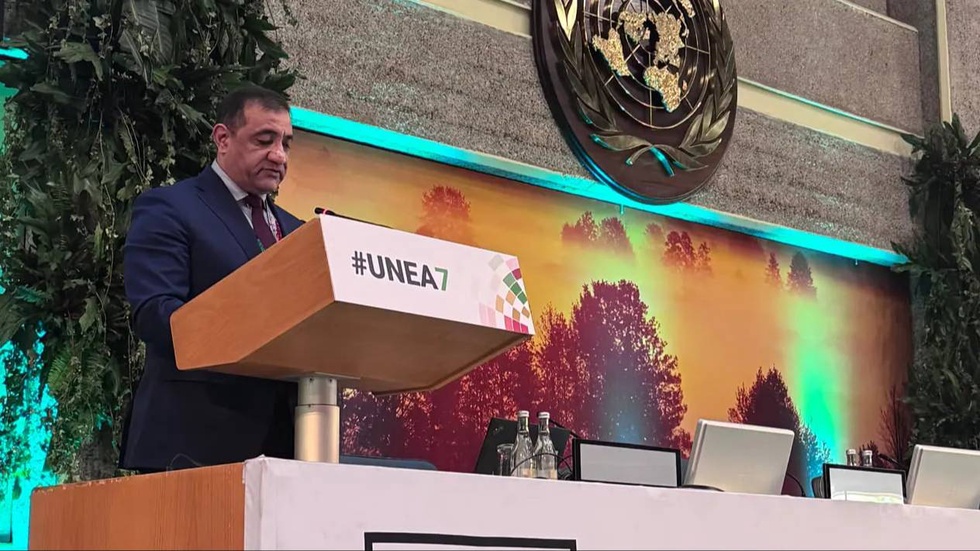
UNEA-7 brought together more than 6,000 participants from 186 countries and was dedicated to finding solutions to overcome the triple planetary crisis - climate change, biodiversity loss, land degradation, environmental pollution and waste accumulation. The theme of the Assembly was "Promoting sustainable solutions for a sustainable planet," emphasizing the need to restore balance between man and nature, as well as strengthen collective responsibility for addressing global environmental challenges.
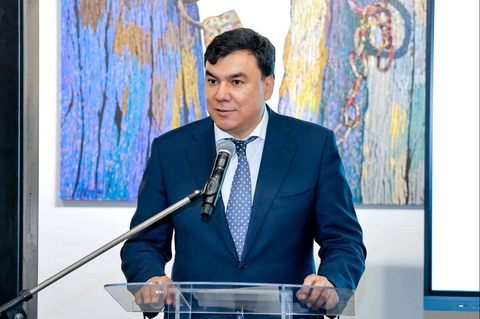
During the high-level segment, Uzbekistan issued a national statement outlining the increasing environmental risks facing Central Asia. It was noted that more than 20 percent of the region's lands have already been degraded, and the loss of glaciers in recent decades has reached about 30 percent, which poses serious threats to water security and sustainable development. In this regard, the Uzbek side stressed the need to expand regional and global cooperation to comprehensively address interrelated environmental issues.
It was noted that under the leadership of President of the Republic of Uzbekistan Shavkat Mirziyoyev, the country is consistently pursuing a course towards sustainable "green" transformation. In 2025, declared the "Year of Environmental Protection and Green Economy", a Presidential decree was adopted aimed at strengthening the environmental management system. As part of the ongoing reforms, the National Committee on Ecology and Climate Change has been established, as well as the Environmental Police with expanded powers to strengthen environmental control and counter environmental violations.
The key national priorities are the expansion of renewable energy capacities, the implementation of large-scale afforestation programs, the reduction of greenhouse gas emissions, as well as the development of the Central Asian University of Environment and Climate Change (Green University) as a regional center for environmental education and research.
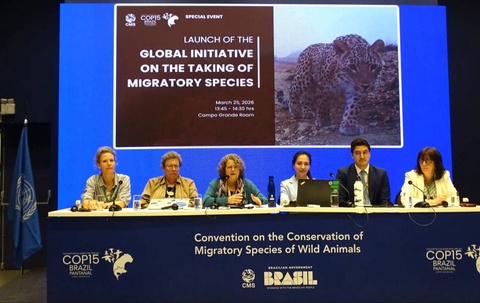
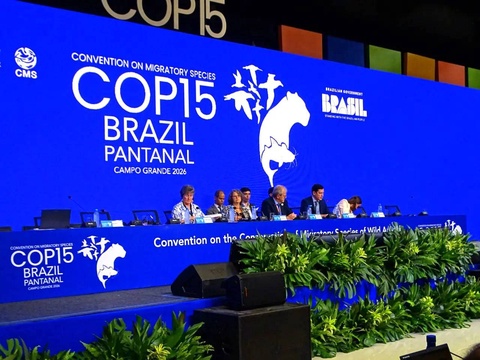
Uzbekistan also emphasized its growing role in international environmental diplomacy, noting the successful holding of the 20th Conference of the Parties to the CITES Convention (CoP20) in Samarkand, which brought together more than 3,000 delegates from 180 countries and resulted in significant decisions in the field of wildlife protection. With simultaneous chairmanship of the CITES Convention and the Convention on Migratory Species (CMS), Uzbekistan has confirmed its commitment to promoting practical and results-oriented initiatives, including the implementation of the Samarkand Action Plan to Combat Crimes against Wildlife in Central Asia.
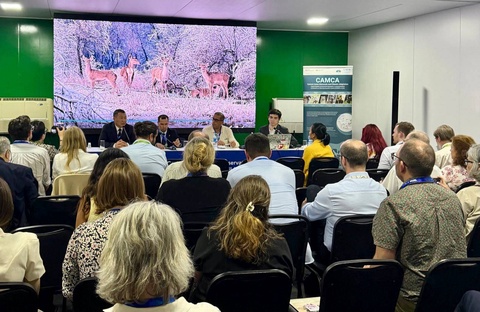
On the sidelines of UNEA-7, the Uzbek delegation actively participated in thematic side events and held a number of bilateral meetings with the leadership of UNEP, the Global Environment Facility (GEF), multilateral environmental conventions and partner States. The discussions focused on expanding project cooperation, mobilizing environmental financing, improving atmospheric air quality, managing chemicals and waste, and strengthening biodiversity conservation measures. Particular attention was paid to ensuring equitable access to climate and environmental finance for developing countries and the most vulnerable regions.
Uzbekistan informed its partners about plans to hold the 8th Assembly of the Global Environment Facility and the international exhibition Eco Expo Central Asia 2026 in Samarkand from May 31 to June 6, 2026. These events are expected to become a major international platform for developing dialogue on sustainable development, environmental finance, and the exchange of innovative solutions in the field of climate sustainability and nature conservation.
Uzbekistan's participation in UNEA-7 has confirmed the country's commitment to strengthening multilateral environmental cooperation and actively participating in shaping the future global environmental agenda based on the principles of sustainability, inclusivity and shared responsibility.