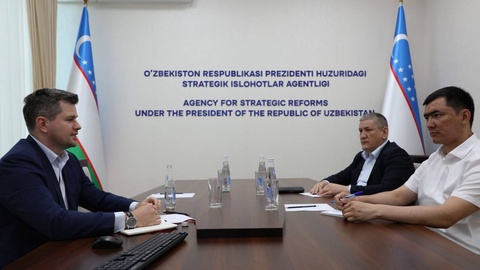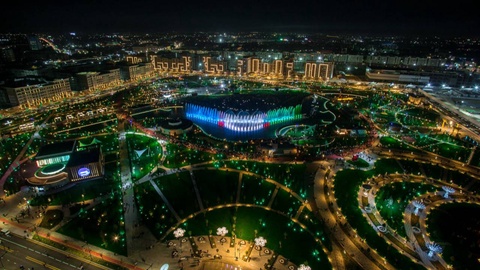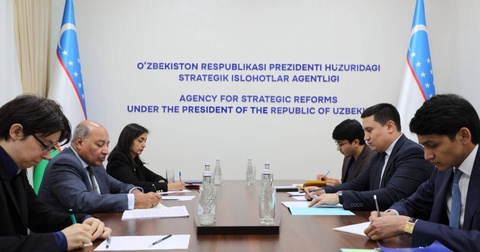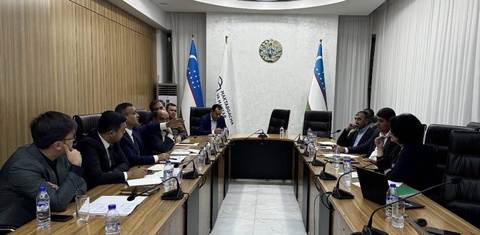

During the preparation of the document, the experience of the CIS, SCO, EU and far abroad countries was studied, and a series of meetings were held with entrepreneurs in the field of catering and services.
The project defines key areas for the development of the night economy until 2030, including the creation of new service opportunities, increasing the share of the night economy in the country's GDP, and ensuring employment.
The developed Targets for the development of the night economy by 2030 cover 20 indicators, including an increase in the number of shopping and entertainment facilities, cafes and restaurants, WiFi zones, cinemas, the introduction of carsharing and bike sharing systems, mobile clinics, concerts, festivals and other cultural events.
Thus, it is planned to increase the number of round–the–clock streets and territories to 320, cafes and restaurants operating 24/7 to 8 thousand, and retail and service outlets to 14.2 thousand.
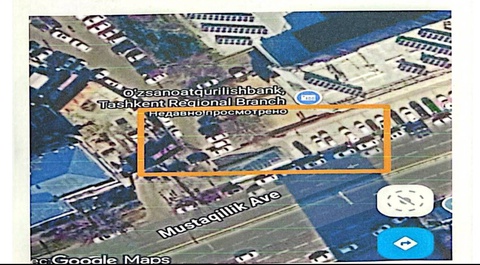
At the first stage, a list of 24-hour streets and territories was formed in 27 districts and cities of the regions, as well as in all districts of the city of Tashkent.
The project provides for minimum requirements for the creation of 24/7 round-the-clock streets and territories, according to which they can be organized primarily in regional and district centers, as well as in cities with populations exceeding 50,000 people. According to international practice, these streets should be between 800 and 2,000 meters long on average.
Another important criterion for such streets and territories is to establish clear requirements for compliance with noise standards in order to ensure a positive perception by the resident population.
It provides for the approval of a Concept for the development of the night economy with a detailed analysis of existing problems hindering the development of the night economy, as well as the definition of goals and objectives, priorities, innovative solutions, financing and support measures, management and coordination systems. The document proposes to approve a roadmap for the implementation of the Concept in 2025-2026.
An important element of the development of the night economy is the support of entrepreneurs expanding their business. As part of this project, it is planned to create a unified electronic register of entrepreneurs with the status of a local brand. Owners of local brands who open a branch on the territory of round-the-clock streets
and territories, especially in the regions, can be compensated for part of the costs associated with professional development and retraining of personnel. Also, depending on the number of new jobs created, it is planned to compensate for part of the interest costs on loans attracted.
Along with this, the roadmap includes a number of other measures, such as reducing the costs of entrepreneurs for external advertising and lighting, and holding the Night Economy Forum to spread positive practices.
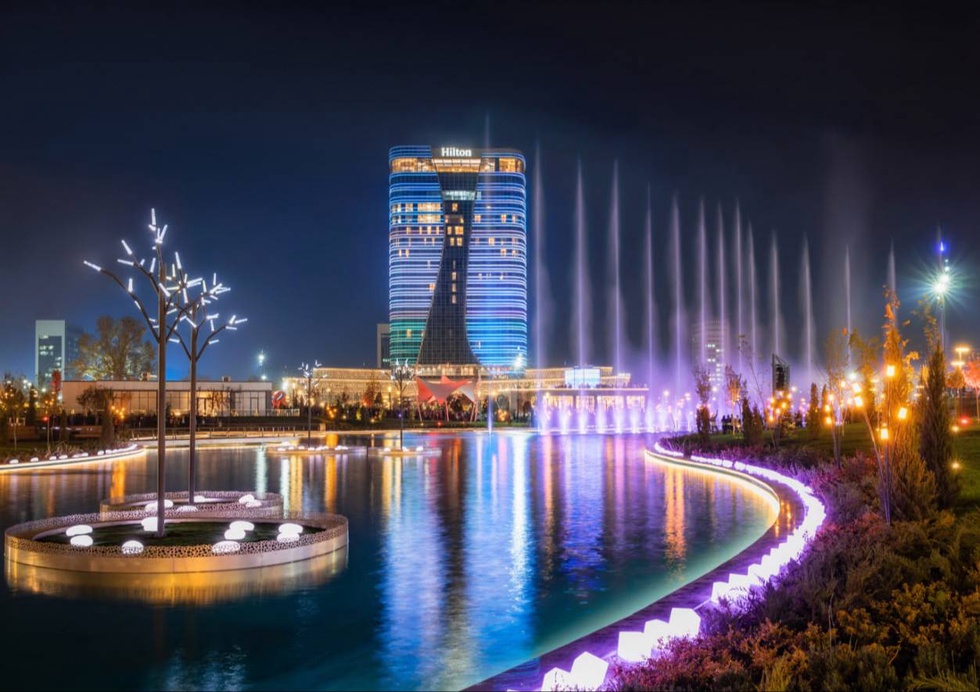
It is planned to introduce night bus cruises, which will allow residents and tourists to explore the sights and atmosphere of the city at night. It also implies the organization of night bus routes connecting round-the-clock streets and territories with airports and train stations.
It is planned to launch the digital platform "Night Economy" to inform the public and tourists about facilities operating at night, logistics, as well as other highlights.
It is proposed to introduce the position of manager of the night economy in the status of deputy khokim of the district (city). The tasks of the manager are determined by the development of master plans for round-the-clock streets and territories, ensuring the smooth operation of the business, and attracting the local population
and tourists to night economy establishments, as well as the organization of cultural and entertainment events.
In addition, the project provides for securing 24-hour streets and territories for management companies. This proposal was initiated by a group of entrepreneurs from the Mirabad district of the capital. Such companies will deal with the maintenance of the territory, landscaping, cleaning, technical support, as well as the prompt resolution of everyday issues of entrepreneurs and residents.
To ensure security, it is planned to install an intelligent video surveillance and monitoring system on 24/7 streets and territories.
In addition, the draft resolution provides for the introduction of a new statistical reporting system in order to assess the state of the night economy, its share in GDP in terms of territories and types of services.
It is proposed to create a Republican Council to coordinate and ensure the high-quality implementation of the proposed measures.
It is expected that the implementation of the proposed measures will give an additional impetus to the development of the service sector, increase the flow of tourists, and create new jobs. According to preliminary estimates, it is planned to create more than 11,000 new jobs and attract about 200,000 additional visitors and tourists annually.