
On such days, it is especially important to protect yourself from the sun. The greatest danger is high-intensity ultraviolet rays, which can cause allergic reactions.
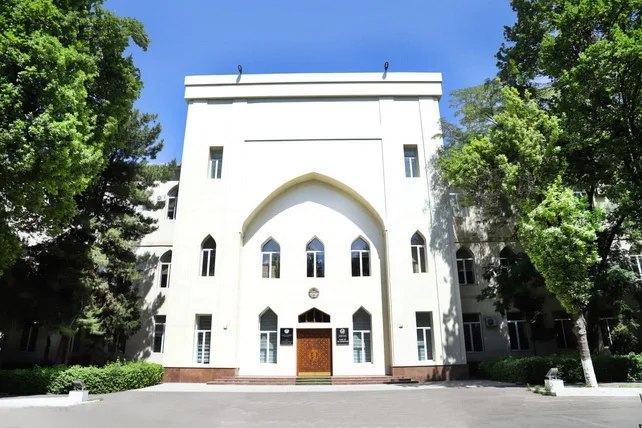
This was announced by Ilmira Razikova, director of the Republican Specialized Scientific and Practical Medical Center for Allergy and Clinical Immunology.
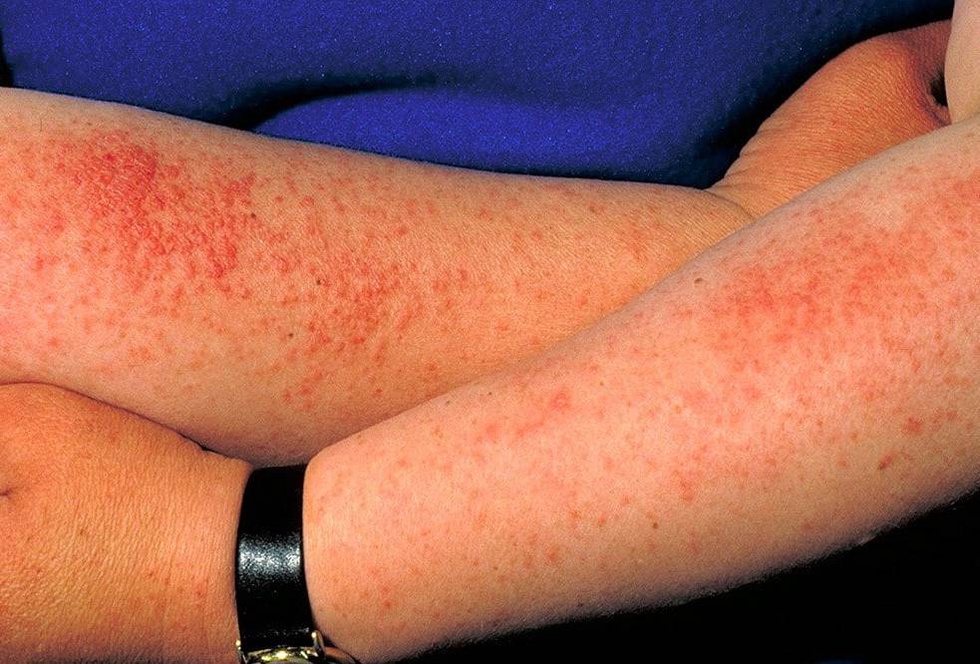
- In conditions of heat, the skin's sensitivity to solar radiation increases, - the specialist notes. - In such cases, photodermatosis may develop - an allergic reaction that occurs when ultraviolet radiation interacts with substances on the skin or in the human body.
Photodermatosis manifests itself in the form of blisters, swellings, red spots, burn-like rashes, peeling of the skin, itching and swelling, mainly in open areas of the body - the upper chest, neck and arms.
These symptoms may appear both in the first hours after exposure to sunlight and during the week.
Usually, the symptoms of the disease disappear after treatment, but in some cases, the disease can become chronic.
To avoid such problems, doctors advise staying in the shade or cool places between 10:00 and 16:00, if possible, and also wearing closed clothes.
It is recommended to use sunscreens designed for sensitive skin.
Some medications can cause photodermatosis or enhance its manifestations. Therefore, before use, you should carefully read the instructions or consult a doctor.
In particular, drugs based on erythromycin, tetracycline and streptomycin have the ability to enhance skin sensitivity to ultraviolet radiation. Patients using such products are not recommended to go outside during the daytime on hot days.
If signs of photodermatosis appear, you should contact the Republican Specialized Center for Allergology and Clinical Immunology or its regional branches.