
How should one behave in such weather conditions?
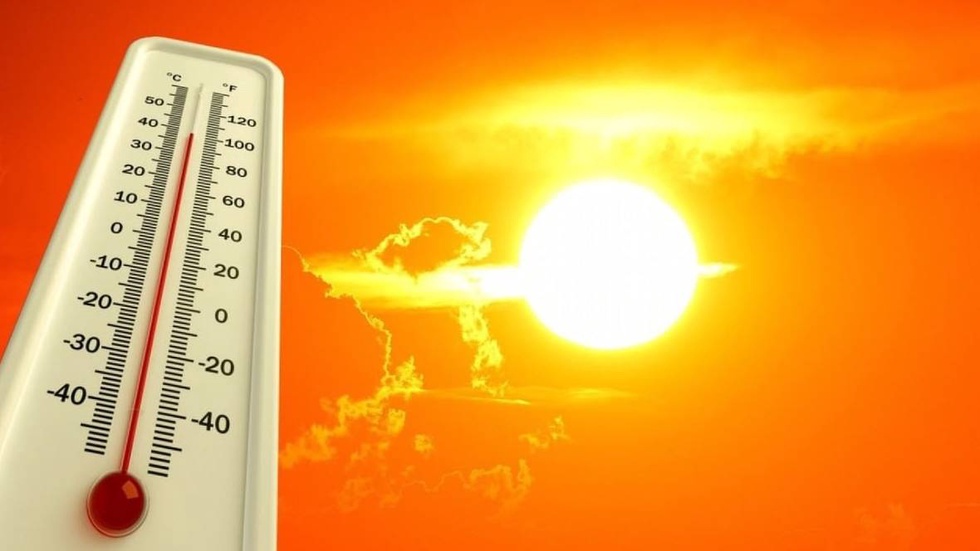
"In hot weather, first of all, children, the elderly, pregnant women and people with chronic diseases need to take special care," says Abdukayum Tukhtakulov, head of the Environmental Diplomacy Department at the Ministry of Health. - Because in this heat, the body's thermoregulation system is under increased stress.
- This can lead to an exacerbation of chronic diseases, as well as to thermal ailments, including general overwork of the body and life-threatening sunstroke.
The heat has a particularly negative effect on the cardiovascular system: heart rate increases, blood pressure rises. To maintain a normal body temperature, the body spends more energy, resulting in increased sweating and an increased risk of dehydration. Therefore, it is recommended to take precautions in the heat.:
If possible, stay indoors or in the shade during the hottest time of the day - from 12:00 to 16:00. During this period, the sun's rays are most intense, which increases the risk of overheating and sunstroke. If you need to go outside, you should choose shady places, use an umbrella and plan activities for the morning or evening hours.
It is also important to keep the house cool: during the day, the windows should be closed on the sunny side, and at night, the rooms should be ventilated. During peak heat hours, the use of household appliances that generate heat, such as ovens, washing machines, and dryers, should be limited.
It is equally important to choose the right clothes. It is recommended to wear light, loose clothes made of natural fabrics (cotton, silk) that allow good air flow. Synthetic materials should be avoided. It is better to choose light clothes that reflect the sun's rays.
When going outside, you must wear a wide-brimmed headdress and sunglasses. The head should be protected from direct sunlight to avoid overheating of the brain and heat stroke.
During the day, it is useful to take a cool shower or bath to reduce body temperature. But do not use too cold water - a sudden temperature drop can cause stress to the body and even lead to pneumonia. It is better to use water at room temperature or slightly cooler.
A wet towel or cloth applied to the skin is also effective, especially in the head and neck area.
Heavy physical labor or exercising in the heat significantly increases the risk of dehydration, overwork, and heat stroke. In such conditions, the load on the cardiovascular system increases, which can lead to a heart attack or stroke in untrained people.
It is best to exercise indoors with air conditioning. During training, you should listen to your body, rest more often and drink enough fluids. If you experience dizziness, nausea, or severe weakness, you should stop exercising immediately.
People with chronic diseases (hypertension, heart disease, obesity) should consult a doctor before physical activity in the heat.