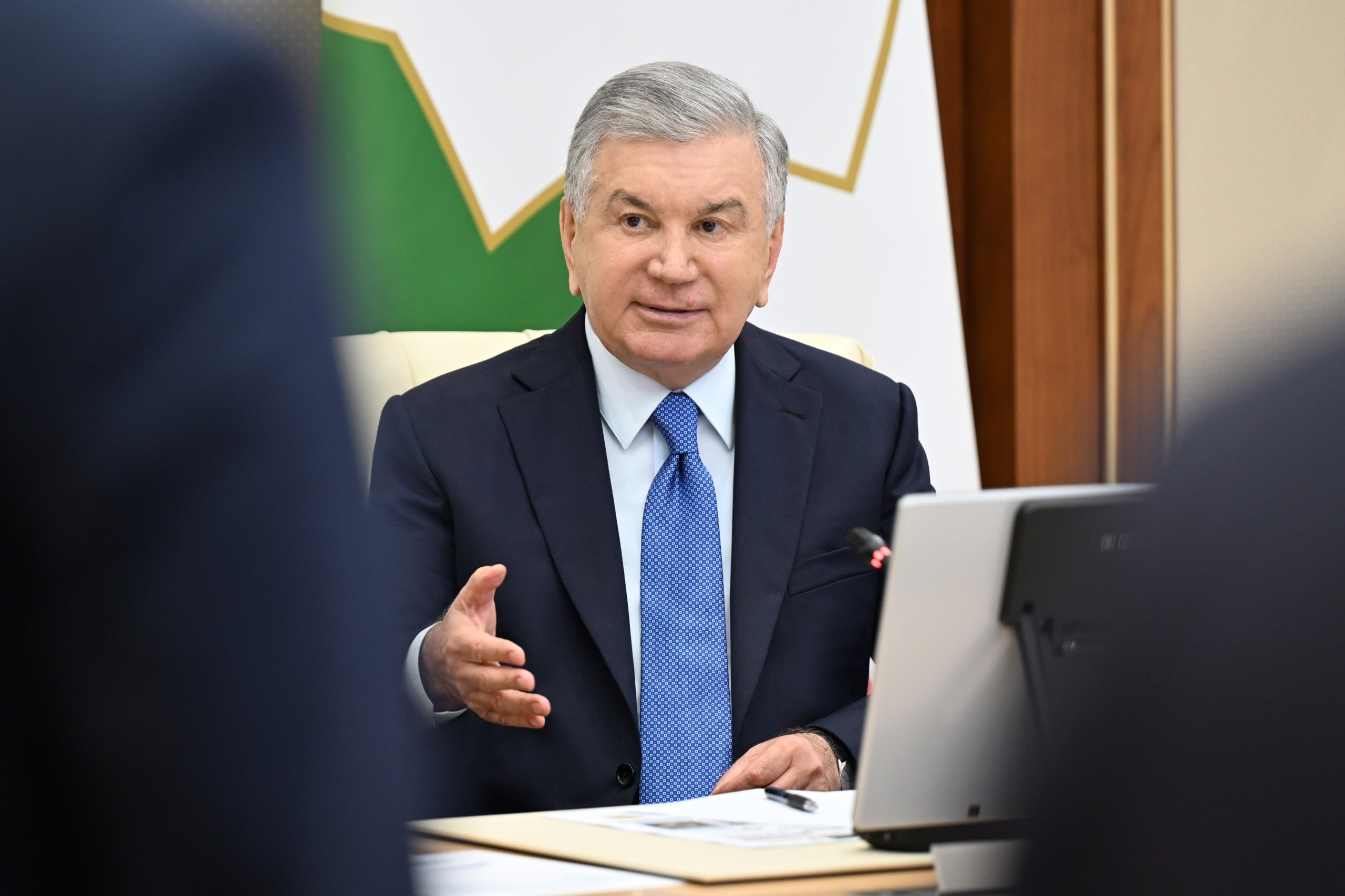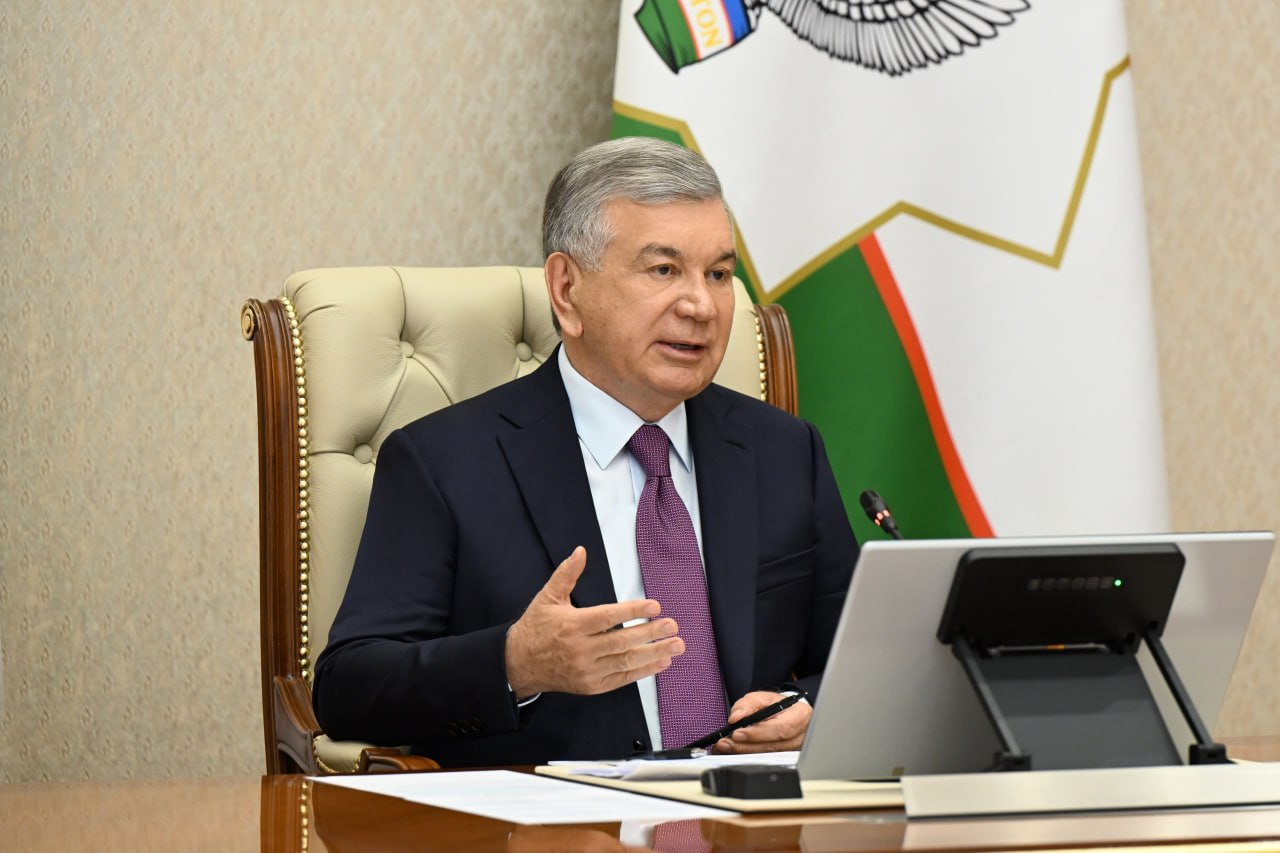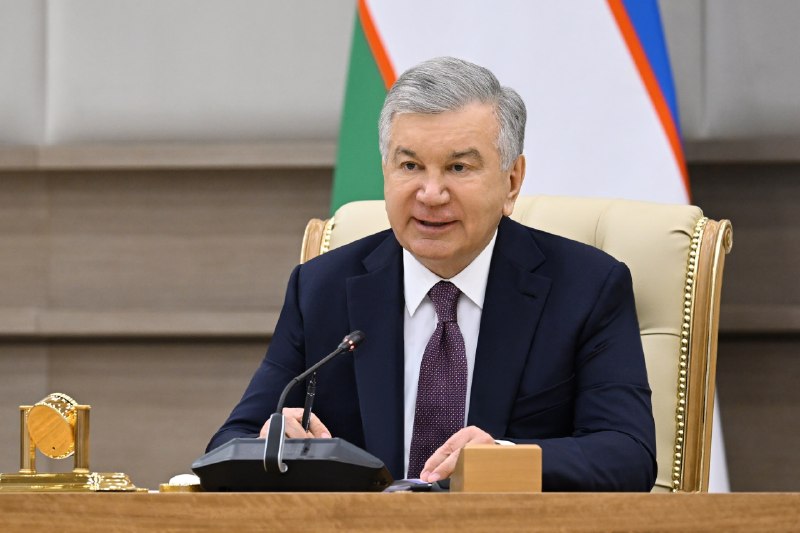

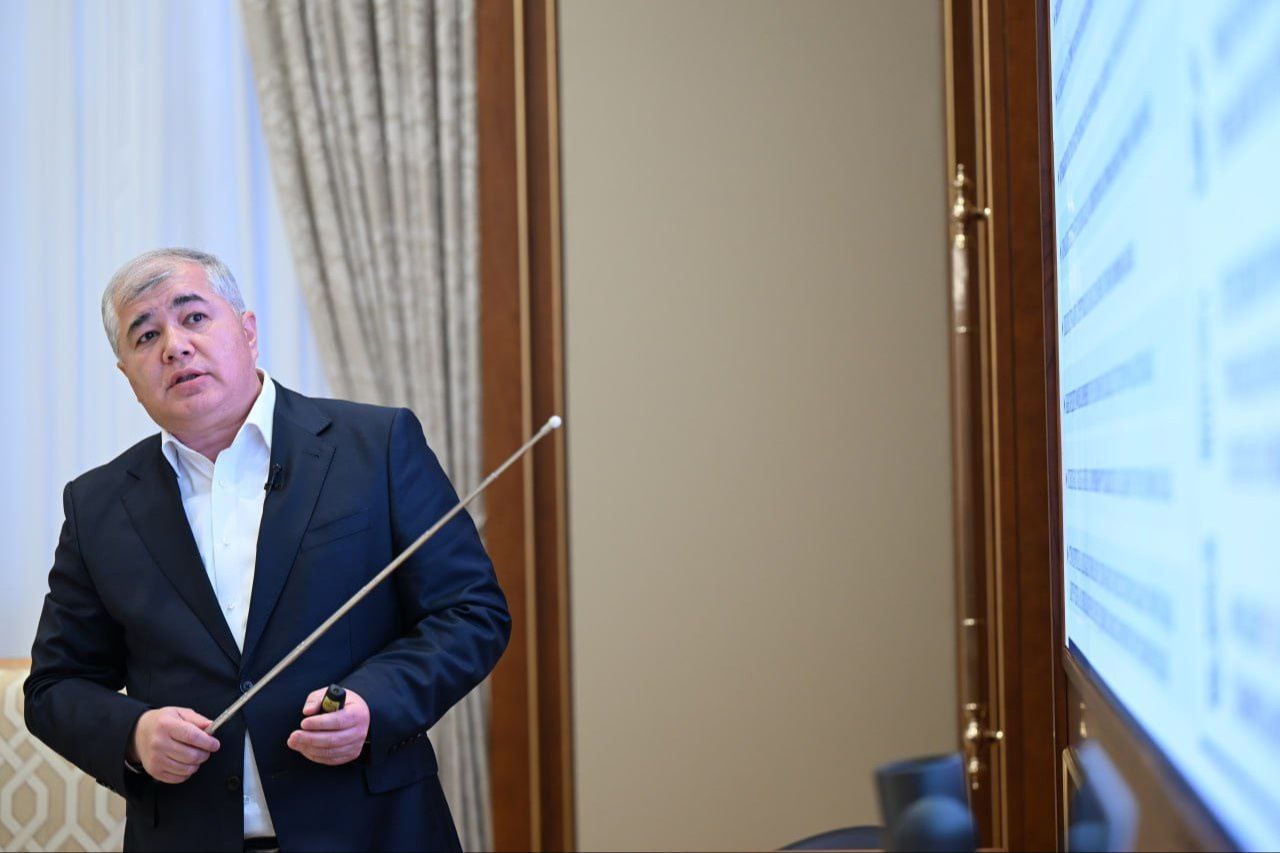
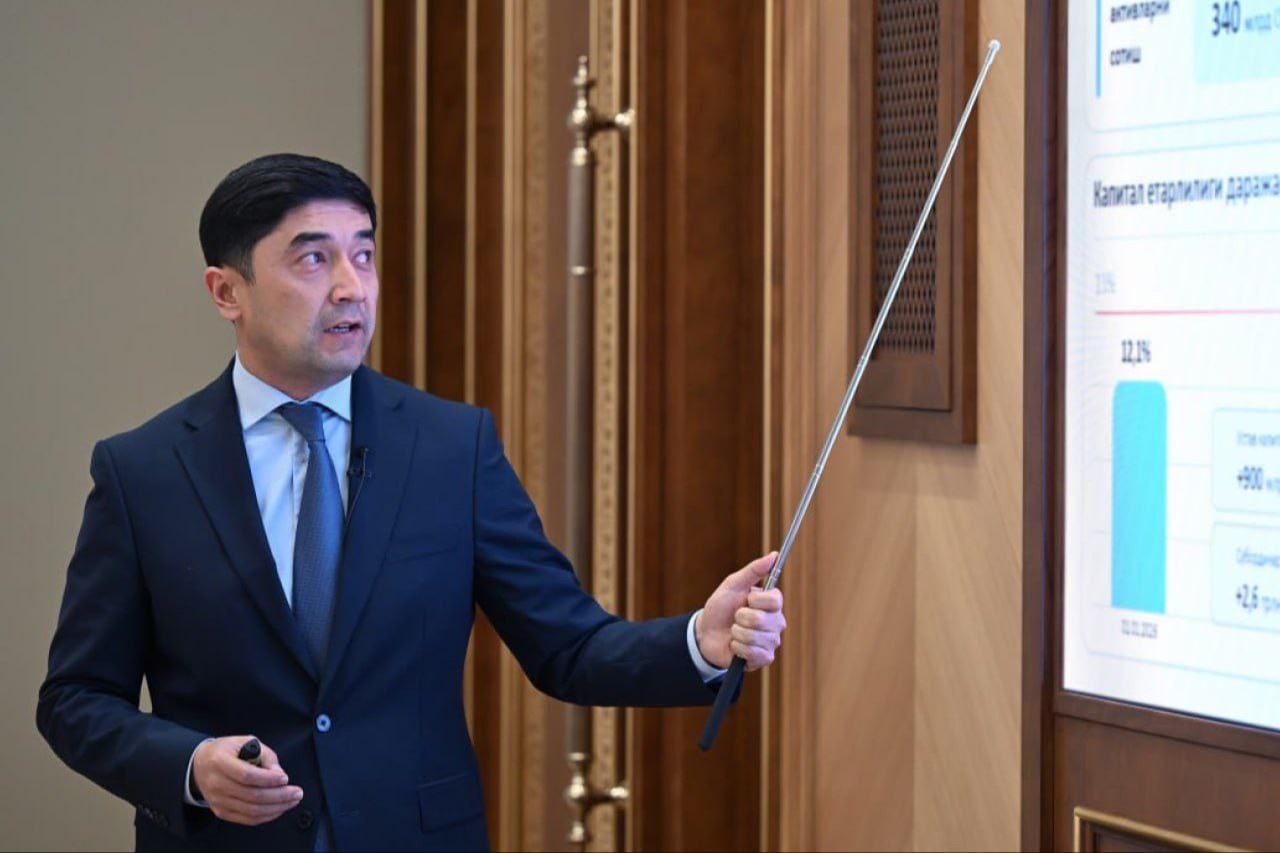
At the beginning of the presentation, information was provided on the funds allocated to the sector this year and their effectiveness.
It was noted that 29 trillion UZS was allocated to finance cotton and grain farming, purchase agricultural machinery, and introduce water-saving technologies. In addition, 2.35 trillion UZS in subsidies were directed to the sector.
The allocation of 10 percent of the value of cotton to 3,430 farms and clusters enabled them to cultivate cotton with their own resources on 151,000 hectares, resulting in savings of 1.9 trillion UZS.
Furthermore, farmers who fully repaid their cotton production loans this year were offered a four percentage-point reimbursement on their payments, enabling 9,002 farmers to repay preferential loans early, totaling 2.5 trillion UZS.
A total of 34.2 trillion UZS is planned for allocation next year to cotton and grain crops, subsidies, and related expenses. In addition, plans include securing an additional $200 million to purchase 800 cotton harvesters. In this regard, new support mechanisms were reviewed.
In particular, it was proposed to allocate an additional 5 trillion UZS in 2026 for agrotechnical measures, including expenses for film and hoses. It was noted that providing a 5 percent subsidy on the value of cotton sold to farmers who used 50 percent of their loan limit for crop production would increase the number of farmers cultivating crops with their own funds and partial loans to 4,000-4,500. They could save 2.5-3 trillion UZS.
Currently, when loans are provided to farmers, the same interest rate is applied to both financially stable farms and those that do not adhere to payment discipline. To introduce a “discipline – lower credit cost” model, it was proposed that farms with an “A” credit rating receive loans with a 2-percent interest rate reduction, and those in category “B” receive a 1-percent reduction. This measure would reduce the burden on conscientious farmers repaying loans.
In addition, it was proposed to provide a 10 percent subsidy to farmers cultivating wheat with their own resources.
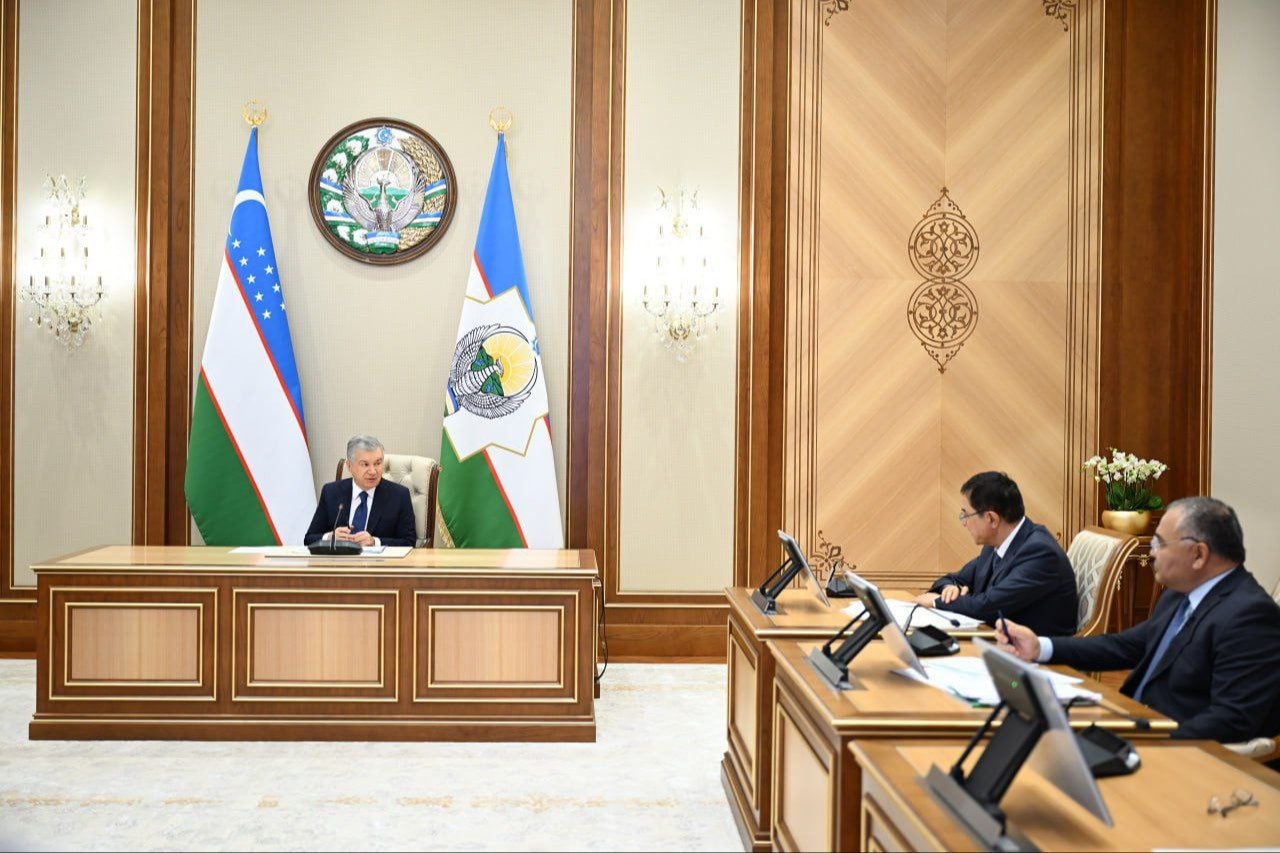
As the Head of State emphasized, encouraging farmers and strengthening their confidence and economic interests are key pillars of agricultural development. Therefore, support mechanisms for the agrarian sector will continue to be expanded consistently.
According to the Presidential Decree of Uzbekistan “On measures for the fundamental improvement of the state support system for the agricultural sector” of November 22 this year, an Agency for Payments in the Agricultural Sphere has been established under the Ministry of Agriculture to improve mechanisms of state support for the agrarian sector.
During the presentation, the agency’s approach to organizing task implementation was reviewed.
Currently, 52 types of subsidies are allocated in agriculture. Under the new system, this process will be fundamentally simplified: human involvement and bureaucracy will be significantly reduced, application processing will be fully digitized, and all procedures will be conducted through the Agroportal.
To this end, the information systems of more than 10 ministries and agencies will be integrated into the Agrosubsidy information system.
In particular, subsidies totaling 1.3 trillion UZS, planned for 2026, will be provided proactively by state bodies without requiring applicants’ participation, while the remaining portion will be allocated through a simplified procedure by eliminating certain approval stages, expert opinions, and document processing. As a result, the time required to provide subsidies will be significantly reduced.
The Head of State issued specific instructions to improve financing mechanisms, ensure targeted and timely subsidies, digitize all processes, and create favorable conditions for agricultural producers.